
Category: Medications - Page 3

Jan
Garlic Supplements and Anticoagulants: What You Need to Know About Bleeding Risk
Garlic supplements can dangerously increase bleeding risk when taken with blood thinners like warfarin or apixaban. Learn the facts, the risks, and what to do if you're on anticoagulants.

Jan
NSAID Safety: What You Must Know About Ibuprofen and Naproxen Before Taking Them
Ibuprofen and naproxen are common OTC painkillers, but they carry serious risks including heart attack, stomach bleeding, and kidney damage. Learn the safe limits, who should avoid them, and what to use instead.

Jan
Biosimilar Switching: What Happens When You Change from Originator Biologic
Switching from an originator biologic to a biosimilar is safe, effective, and backed by extensive clinical data. Learn what really happens during the switch, why some patients feel worse, and how to protect your health through informed decisions.

Jan
Prescription Writing Errors and How to Catch Them as a Patient
Prescription writing errors harm over 1.5 million Americans yearly. Learn how to spot dangerous mistakes in your medication orders-before you take them. Simple checks can prevent deadly errors.

Jan
How to Manage Interactions When Starting a New Medication
Learn how to safely start a new medication by understanding drug interactions, recognizing high-risk combinations, and taking practical steps to prevent dangerous side effects. Essential for anyone on multiple prescriptions.
Jan
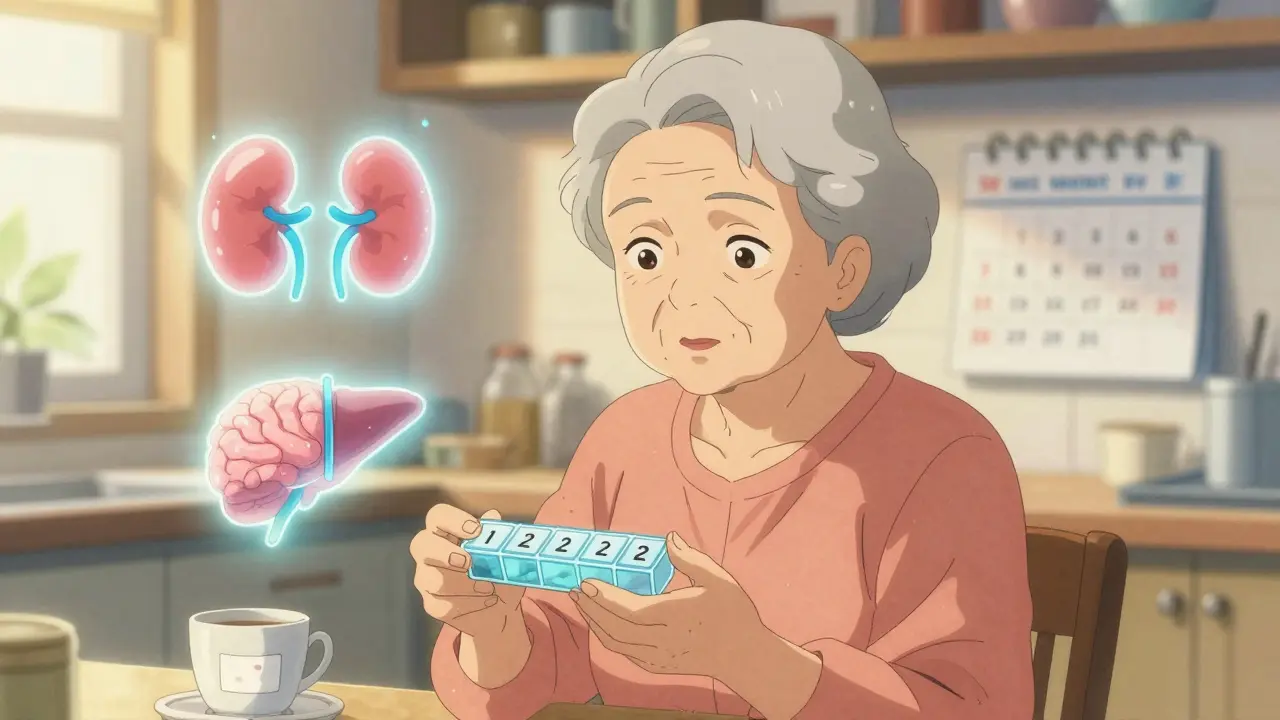
How Aging Changes Your Body’s Response to Medication and Dosing
Aging changes how your body absorbs, processes, and reacts to medication. Seniors often need lower doses due to slower kidney and liver function, increased body fat, and heightened brain sensitivity. Learn why standard doses can be dangerous and what to ask your doctor.

Jan
Paragraph IV Certifications: How Generic Drug Companies Challenge Patents Early
Paragraph IV certifications let generic drug makers challenge brand-name patents before launch. This legal tool under the Hatch-Waxman Act has saved consumers trillions and drives most generic drug entries today.
Jan
How Healthcare Providers Can Advocate for Generic Medications to Improve Patient Outcomes
Healthcare providers play a key role in helping patients understand and accept generic medications. Learn how clear communication about safety, cost, and effectiveness improves adherence and outcomes.

Jan
How to Talk About Medication Side Effects Without Quitting Your Prescription
Learn how to talk to your doctor about medication side effects without quitting your prescription. Discover practical tips, tracking methods, and communication strategies to stay on treatment and improve your health outcomes.
Jan
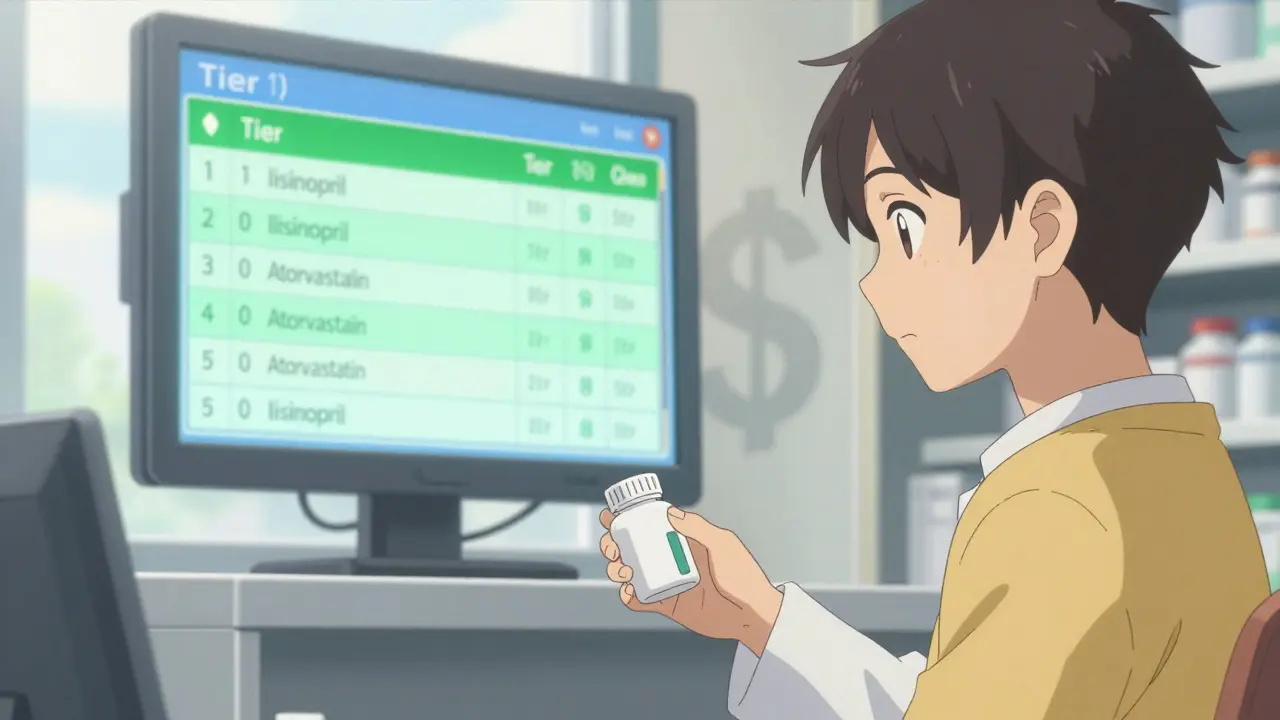
Why Insurers Prefer Generic Drug Lists: How Formularies Control Costs and Shape Your Prescriptions
Insurers use preferred generic lists to cut costs by steering patients toward cheaper, equally effective medications. Learn how formulary tiers work, why generics dominate, and how to save money on prescriptions.