
Category: Medications - Page 2

Mar
Aspirin for Primary Prevention: Who Should Skip Daily Doses
Daily aspirin for heart health is no longer recommended for most people. Learn who should avoid it entirely - especially those over 60 - and what to do instead to protect your heart safely.
Feb
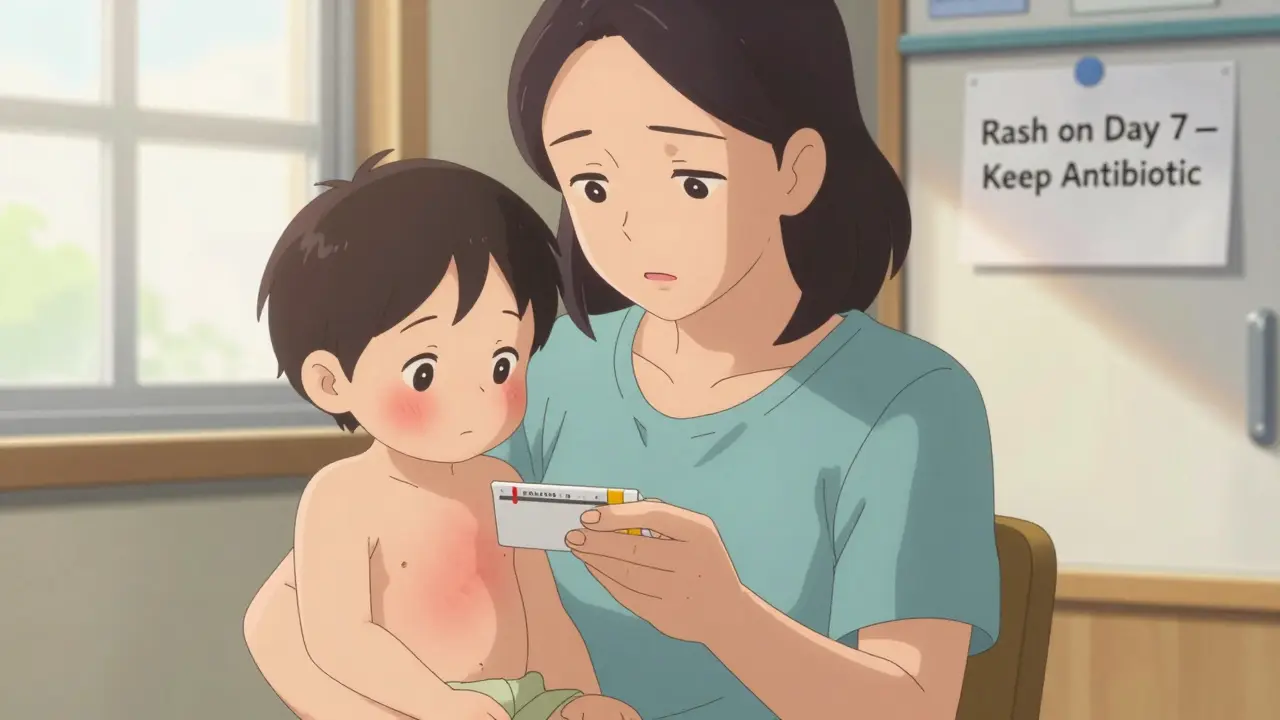
Antibiotic Rashes: When to Stop the Drug and Call the Doctor
Most antibiotic rashes aren't allergies. Learn how to tell the difference between harmless rashes and dangerous reactions-and when to keep giving the antibiotic or call the doctor.
Feb
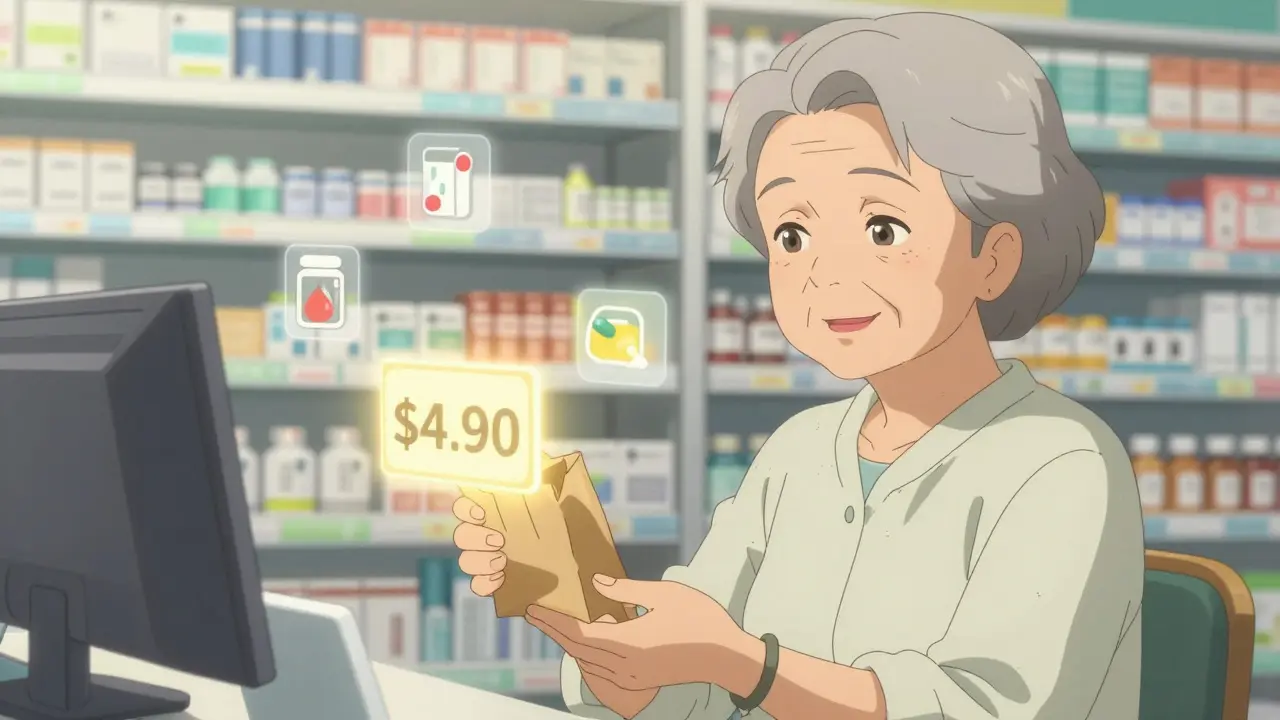
How Medicare Extra Help Reduces Costs for Generic Prescriptions in 2026
Medicare Extra Help cuts generic prescription costs to just $4.90 per fill in 2025. Learn who qualifies, how to apply, and why this program is the most powerful tool for seniors struggling with drug prices.

Feb
Generic Pill Appearance Changes: What You Need to Know About Safety, Legality, and Patient Impact
Generic pills often change color, shape, or size - even though they contain the same medicine. This can cause confusion, fear, and dangerous dropouts. Learn why it happens, what it means for your health, and how to stay safe.
Feb
Pharmaceutical Prices across Different Countries: A Real-World Comparison
Drug prices vary wildly across countries - U.S. brand-name drugs cost up to 4 times more than elsewhere, but generics are cheaper. Why? Policy, not cost. Here's how different systems shape what you pay.
Feb
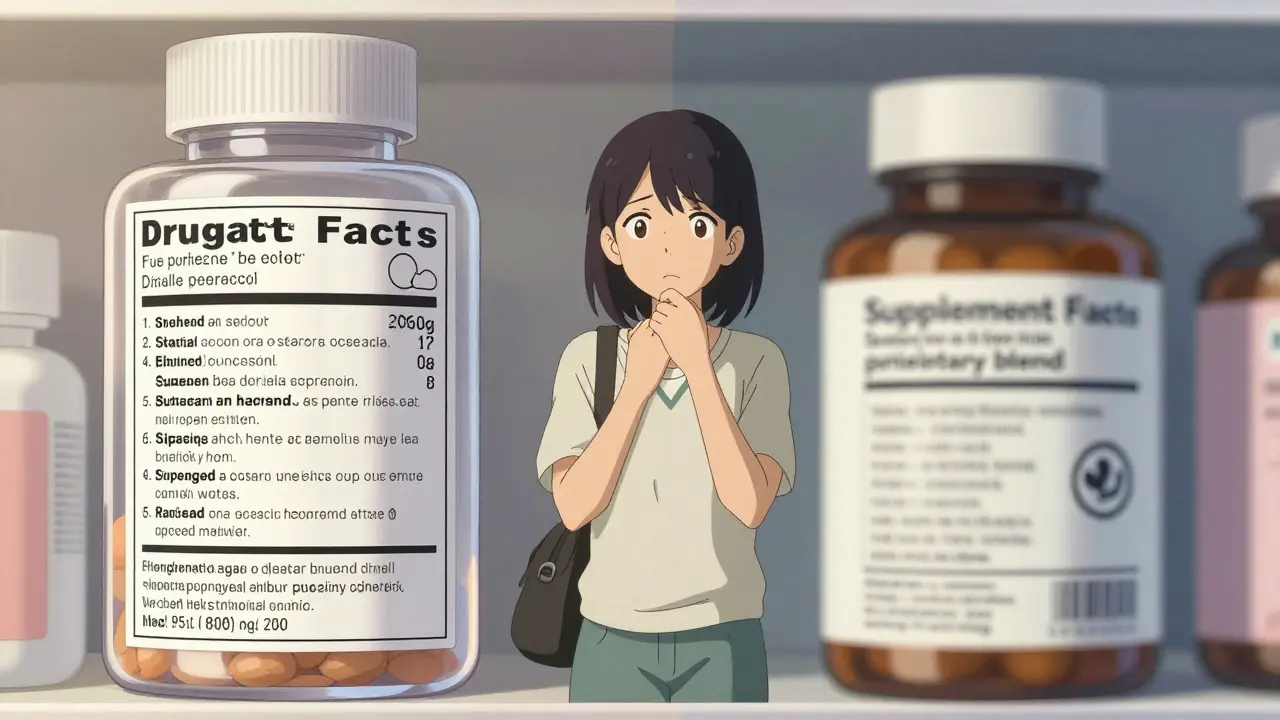
OTC Vitamins and Supplements: What the Drug Facts Label Doesn't Cover
OTC supplements lack critical safety info on labels vs medications. Learn why they don't require drug interaction warnings, pregnancy risks, or exact ingredient amounts. FDA treats supplements as food, not drugs, creating dangerous gaps.

Feb
Tendering Systems in Europe: How Generic Drug Purchases Are Won and Lost
Europe's tendering systems for generic drugs prioritize value over price, using MEAT evaluations, framework agreements, and digital tools to ensure fair, transparent, and sustainable procurement across the EU.
Jan
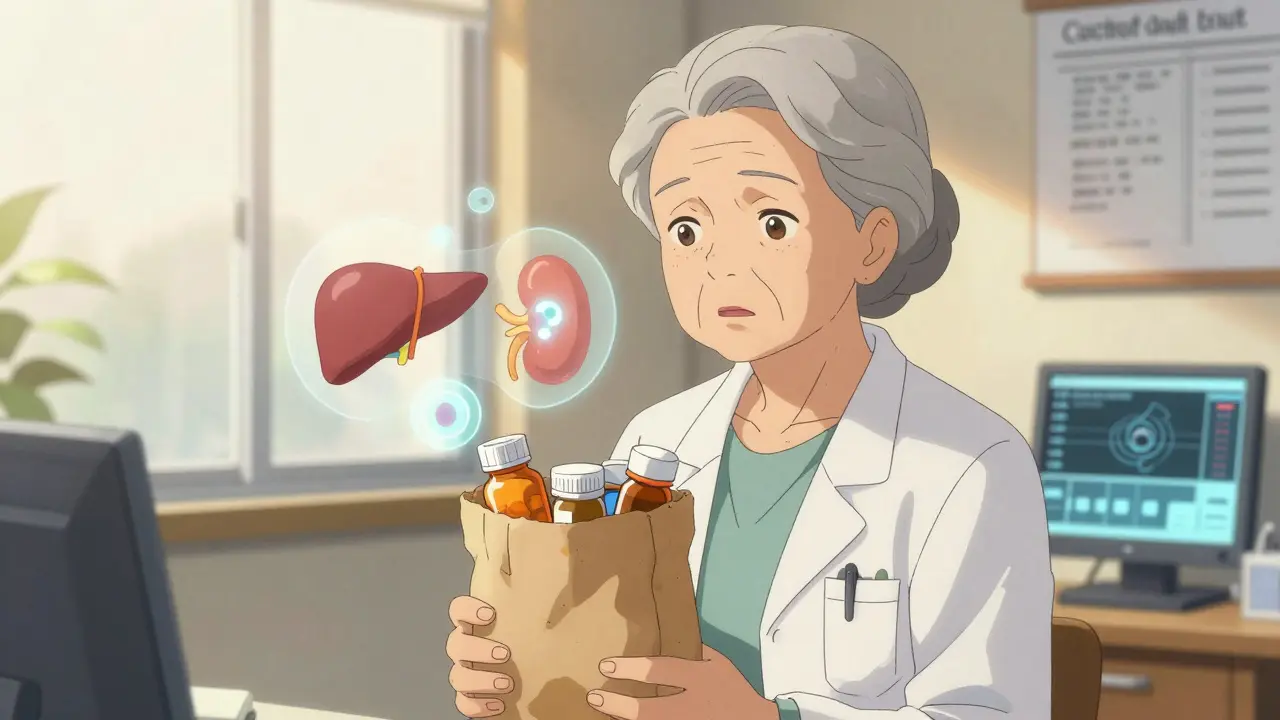
Medication Dosage Adjustments for Aging Bodies and Organs
Aging changes how your body handles medications. Learn why seniors need lower doses, which drugs are risky, and how to avoid dangerous side effects with simple, proven steps like the brown bag review and kidney function checks.
Jan
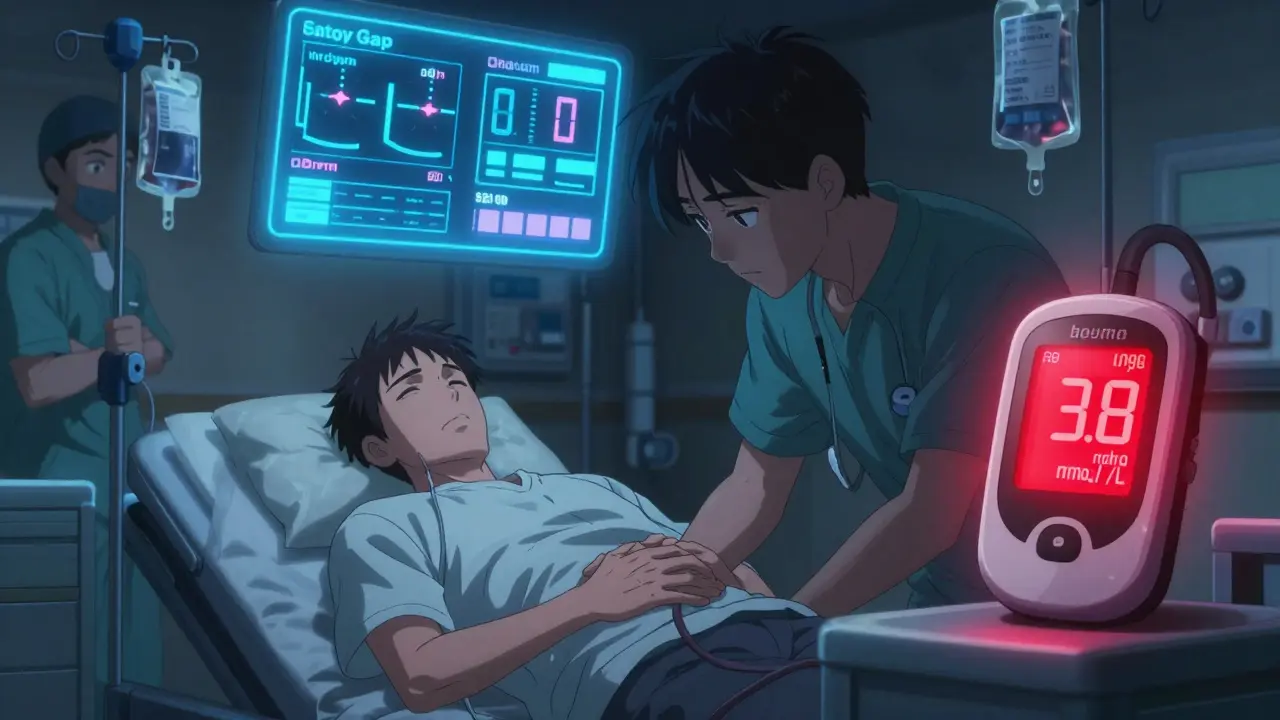
Euglycemic DKA on SGLT2 Inhibitors: How to Recognize and Treat It in an Emergency
Euglycemic DKA on SGLT2 inhibitors is a dangerous condition where ketones rise even when blood sugar is normal. Learn how to recognize the symptoms, what emergency care looks like, and how to prevent it.
Jan
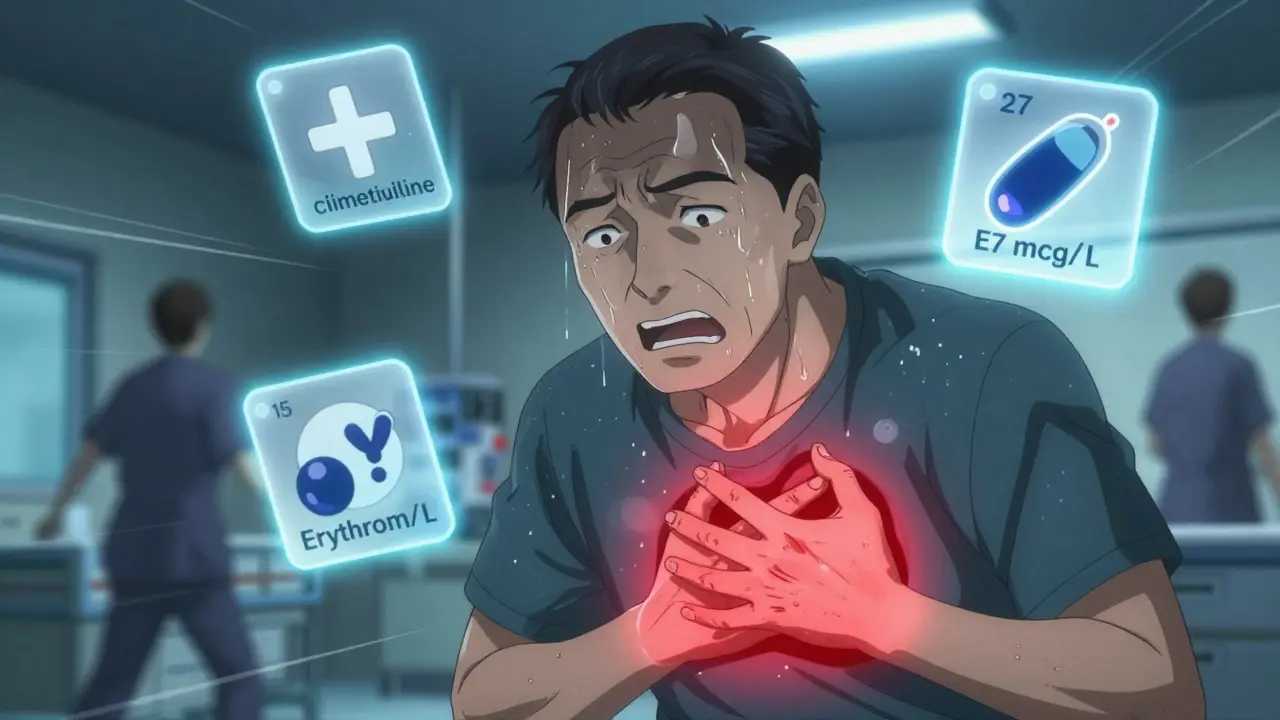
Theophylline Clearance: How Common Medications Can Cause Dangerous Buildup
Theophylline is a powerful but dangerous asthma and COPD medication. Even small changes in how your body processes it-due to common drugs like cimetidine or fluvoxamine-can cause life-threatening toxicity. Know the risks.