
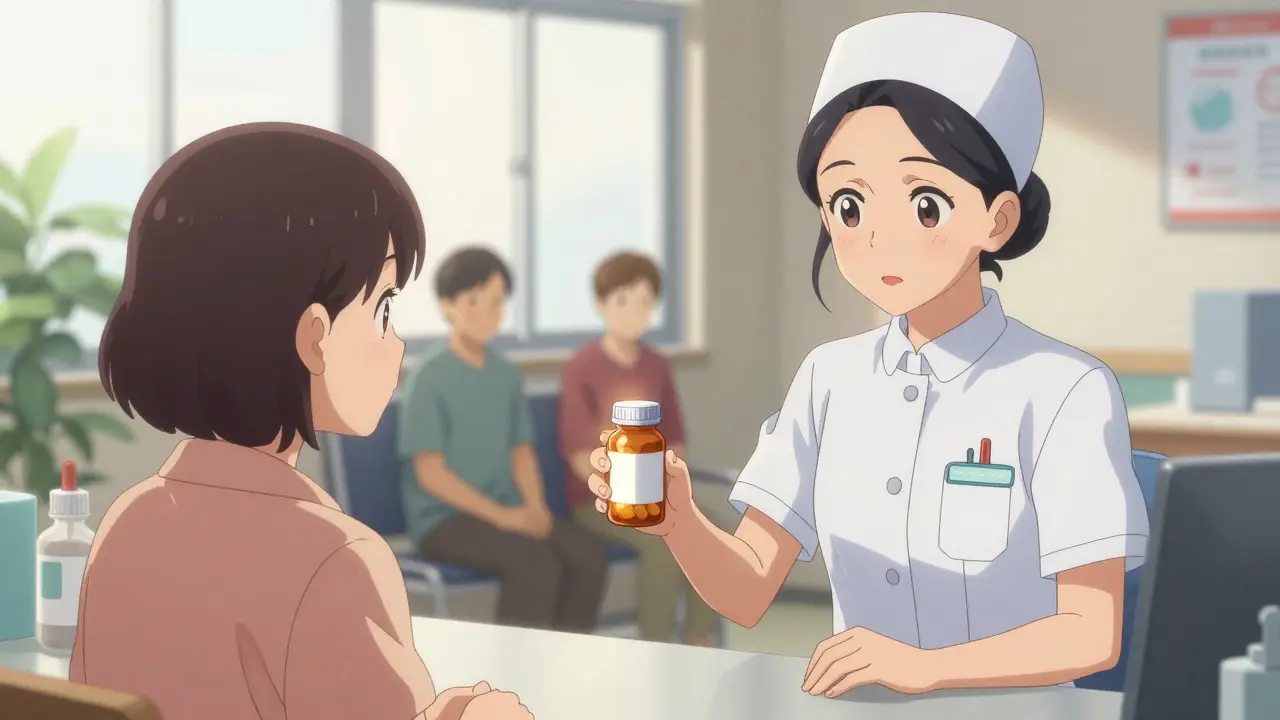
When you notice something off about your medication-maybe the pill looks different, the dose feels wrong, or you were given the wrong instructions-you’re not overreacting. You’re doing exactly what safety systems were built for: speaking up. In fact, clinics that encourage patient reporting see up to 37% fewer medication errors, according to Mayo Clinic’s own data. Reporting a concern isn’t just your right-it’s a critical step in keeping you and others safe.
Why Reporting Matters More Than You Think
Most people assume medication errors are rare. They’re not. Studies show that only about 14% of medication mistakes are ever reported, even though they happen far more often than you’d guess. A 2023 ECRI Institute analysis found that clinics with strong reporting cultures cut medication errors by over 30% in just 18 months. That’s not luck. It’s because when someone speaks up-whether it’s a nurse, a pharmacist, or a patient-the system gets a chance to fix itself before someone gets hurt.
Unlike reporting to the FDA or a national database, clinic-level reporting is designed for immediate action. It’s not about punishment. It’s about learning. The Patient Safety and Quality Improvement Act of 2005 makes it clear: reports made inside a clinic are protected. Staff can’t be fired or penalized for raising a hand. That’s why the best clinics don’t just accept reports-they thank you for them.
What Counts as a Medication Safety Concern?
You don’t need to be a medical expert to spot a problem. Here are common examples that should trigger a report:
- You were given a pill that looks different from what you’ve taken before, and no one explained why.
- The dose on the label doesn’t match what your doctor prescribed.
- You were told to take a medication at a time that conflicts with another drug you’re on.
- The pharmacy gave you the wrong medication entirely-even if you didn’t take it.
- You experienced an unexpected side effect after a recent change in your meds.
- A staff member misread your name or your prescription, and you caught it before anything happened.
Even if nothing bad happened yet, if you think something could go wrong, report it. These are called “near-misses,” and they’re the most valuable reports clinics get. They’re the early warning signs that help prevent real harm.
How to Report: Step-by-Step
Reporting is simpler than you think. Most clinics have clear, protected pathways. Here’s how to do it right:
- Act fast. Report the concern the same day you notice it. Studies show same-day reporting leads to 91% more accurate root cause analysis. The longer you wait, the harder it is to trace what went wrong.
- Gather details. Write down: the medication name, the prescribed dose, what you actually received, when it was given, and any symptoms you noticed. If you still have the packaging, take a photo. It helps.
- Choose your channel. Most clinics accept reports through:
- Front desk staff (83% of clinics)
- Nursing station (76%)
- Your online patient portal (68%)
- A dedicated safety hotline (42%)
Don’t hesitate to ask: “Who handles medication safety reports here?” If they point you to a doctor or nurse, that’s fine. But if they send you to the FDA website instead, push back. That’s not how clinic reporting works.
What Happens After You Report?
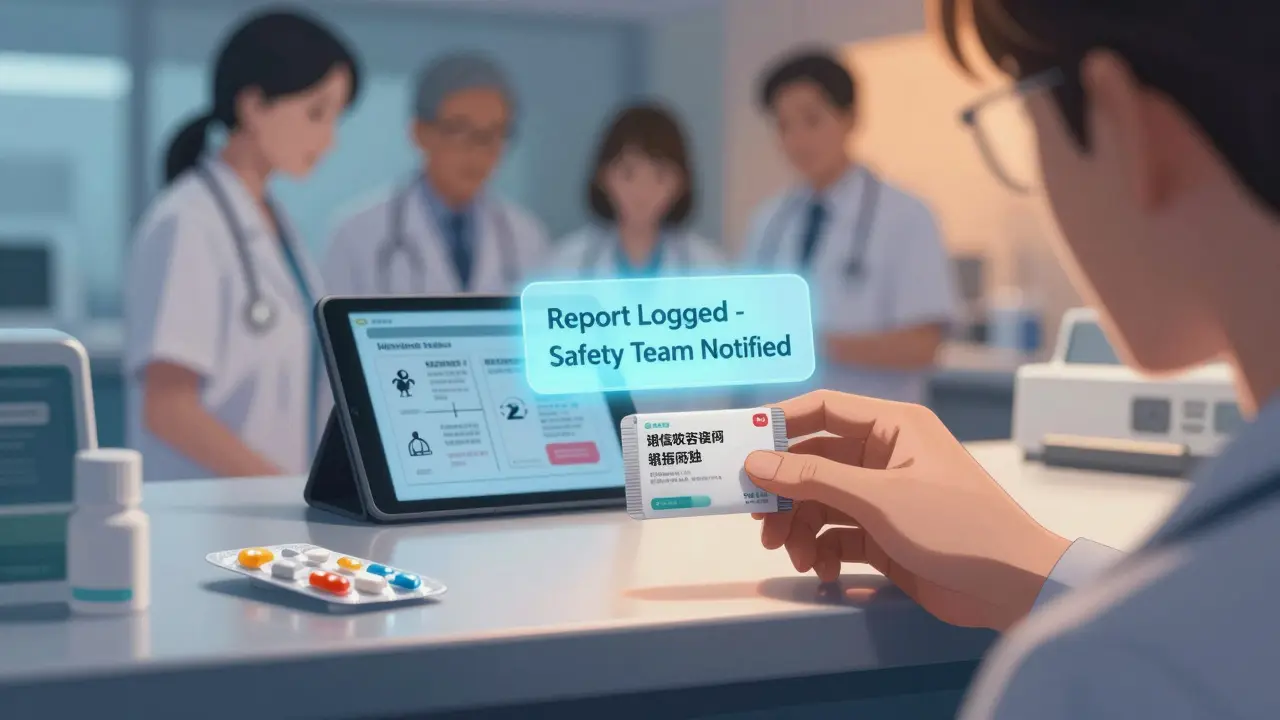
Once your report is logged, it goes to the clinic’s safety team. They don’t just file it away. They investigate:
- Was it a human error? A miscommunication? A faulty system?
- Did this happen to anyone else?
- What can we change to stop it from happening again?
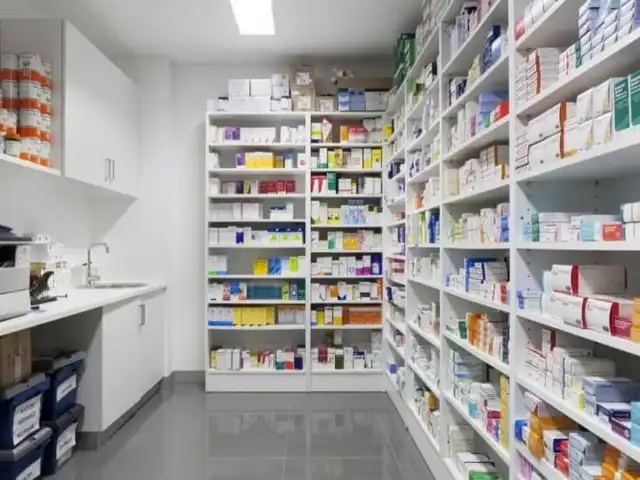
For example, if a patient reports getting the wrong dose of insulin because two similar-looking bottles were stored together, the clinic might install color-coded labels or reorganize the medication shelf. That change protects every future patient.
Clincs that follow best practices also send you a short update-sometimes even a letter or email-explaining what they changed. A 2023 survey found that 74% of patients felt respected and heard when they received this kind of feedback. Without it, 68% of staff feel their reports are ignored. Your voice matters. Make sure you get a response.
What to Do If You’re Dismissed
Not every clinic gets it right. Some staff may brush off your concern with: “That’s not a big deal,” or “We’ve never had this problem before.” That’s not okay.
If you’re ignored or told to report to the FDA instead, say this: “I understand external reporting exists, but I’m asking you to fix this here. It’s your job to protect patients.”
If that doesn’t work, escalate. Ask to speak with the clinic manager or owner. If you still get nowhere, contact your state’s medical board. In California, clinics are legally required to keep internal logs of all medication errors. In Texas, serious errors must be reported to the Medical Board within 72 hours. You have rights.

What’s Changing in 2026
The system is getting smarter. By April 2024, all certified electronic health record systems were required to include standardized medication error reporting fields. That means your report can now be automatically shared with national safety databases-without you having to do extra work.
The Biden Administration’s 2024 Patient Safety Action Plan is putting $250 million into helping small clinics go digital. That means fewer paper forms, faster responses, and fewer lost reports.
And soon, clinics may even be paid more for listening. CMS’s 2024 Quality Payment Program is testing a new rule: 3.5% of Medicare payments could depend on how well clinics capture and act on patient-reported safety concerns.
Don’t Stay Quiet
Medication errors are preventable. But they only get fixed when someone speaks up. You’re not a troublemaker. You’re a safety partner. The system works because of people like you-not despite them.
Next time you see something off, don’t second-guess yourself. Write it down. Speak up. Ask for the safety officer. Demand a follow-up. You’re not just protecting yourself-you’re helping make healthcare safer for everyone who walks through that door.
This is one of the clearest, most actionable guides I've seen on medication safety. The emphasis on near-misses as critical data points is spot-on. I've worked in pharmacy for 12 years, and the single most underutilized resource in any clinic is the patient who notices something off. They're not guessing-they're sensing system failure before it cascades. Document everything. Even if it's 'just' a different pill color. That’s the first domino.
I love how this frames patients as safety partners. Most clinics treat us like liability risks, not frontline sensors. I reported a mislabeled insulin vial last year-no one thanked me. They just changed the label. I wish they'd sent me a note saying 'thanks, you just prevented a disaster.' That’s the emotional ROI they’re missing.
The ECRI Institute’s 30% reduction metric is statistically significant, yes-but let’s be real: the real innovation here isn’t reporting, it’s the institutionalization of humility. Clinics that thrive on this model don’t have 'error logs,' they have 'learning journals.' And they’re not afraid to admit, 'We got lucky this time.' That’s the cultural pivot. Everything else is just workflow.
I reported a wrong dose once. They told me I was 'overthinking.' I called the safety officer anyway. Turns out three other people had the same issue that week. They didn’t tell me until I demanded it. So yeah-ask for the safety officer. Don’t wait. Don’t be polite. They’re paid to listen.
America’s healthcare system is a joke. You have to fight just to report a pill that looks different? In India, we just call the doctor. No forms. No portals. No 'safety officers.' This whole process is overengineered bureaucracy for people who don’t trust their own instincts. You’re not a hero-you’re a victim of a broken system.
Did you know the FDA doesn’t track 87% of medication errors because clinics bury them? This whole 'reporting culture' is a PR stunt. The real agenda? Shift liability to patients. If you report it, you’re complicit. If you don’t, you’re negligent. Either way, they win. And that $250 million? It’s not for you. It’s for the EHR vendors who’ll sell you the new 'secure reporting module' for $47,000 per clinic.
There’s a metaphysical layer here, isn’t there? We’re told to speak up-not because systems are broken, but because systems are designed to be silent. The pill that looks different? It’s not a mistake. It’s a whisper from the machine. A glitch in the matrix. And we’re the ones who hear it. We’re the canaries. The ones who refuse to be medicated into compliance. The system doesn’t want us to report-it wants us to normalize.
I’ve seen this in the NHS. The moment you start talking about 'patient-reported safety,' the bureaucrats start drafting a new form. We’ve got 14 different ways to report a wrong prescription in the UK. None of them work. The only thing that changed? Now the pharmacist has to sign a form saying they read your complaint. They didn’t fix the problem. They just added paperwork. We’re not fixing systems-we’re just documenting our despair.
I used to think reporting was a waste of time. Then my mom got the wrong anticoagulant. She didn’t take it. We reported it. Two weeks later, they found three other patients who got the same mix-up. They changed the storage bins. They didn’t apologize. But they changed it. So yeah. Report. Even if you think no one cares. Someone does.
This is exactly why I always carry a notebook in the pharmacy. Write down the name, the dose, the date, the time, the name of the person who handed it to you. If they brush you off, hand them the notebook. Say, 'This is what I saw. What are you going to do about it?' Most of them will flinch. And that flinch? That’s the moment you win.
In India, we don’t have 'safety officers.' We have aunts who work in the clinic and know everyone’s meds. If something looks off, you ask the aunt. She’ll whisper to the pharmacist. No forms. No portals. Just human trust. Maybe the answer isn’t more systems-but more relationships. We’ve confused bureaucracy with safety.
I reported a wrong pill once. They said 'it was a one-off.' I asked for the report number. They didn’t have one. I called back 3 days later. Still no answer. I finally got the safety officer’s name from the front desk. She said 'thank you.' Then she cried. That’s the moment I realized: they’re not ignoring us. They’re just drowning.
You know what’s truly terrifying? The fact that we’ve normalized the idea that we need to 'report' something that should never have happened in the first place. The system isn’t broken-it’s been designed to require patient intervention just to function at a baseline level. We’re not patients. We’re unpaid quality assurance inspectors. And we’re exhausted.