
Author: Graham McMorrow - Page 2
Mar
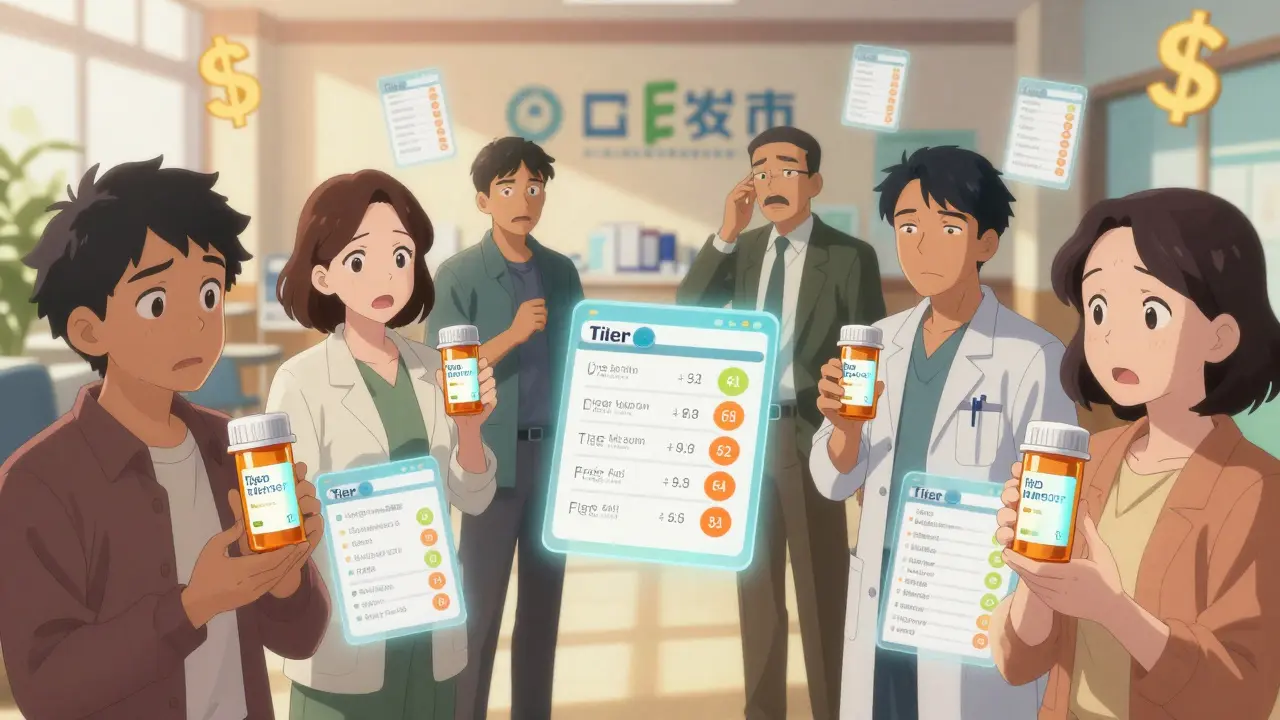
Prescription Insurance Coverage: Key Questions to Ask Before You Enroll
Don't get stuck paying thousands for prescriptions. Learn the 7 key questions to ask about your prescription insurance coverage before you enroll-and how to save hundreds or even thousands each year.
Mar
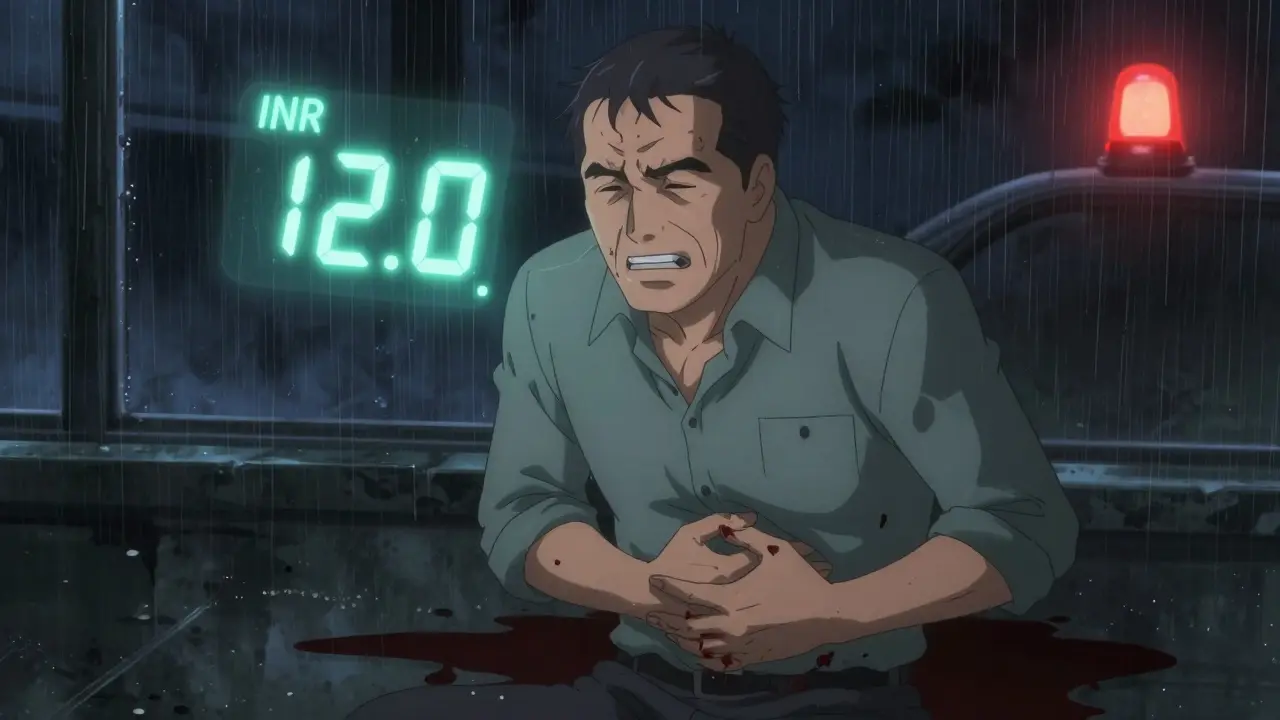
Blood Thinner Overdose and Internal Bleeding: What to Do
A blood thinner overdose can cause life-threatening internal bleeding. Know the warning signs, what to do in an emergency, and how to prevent it. Time matters-act fast.
Mar
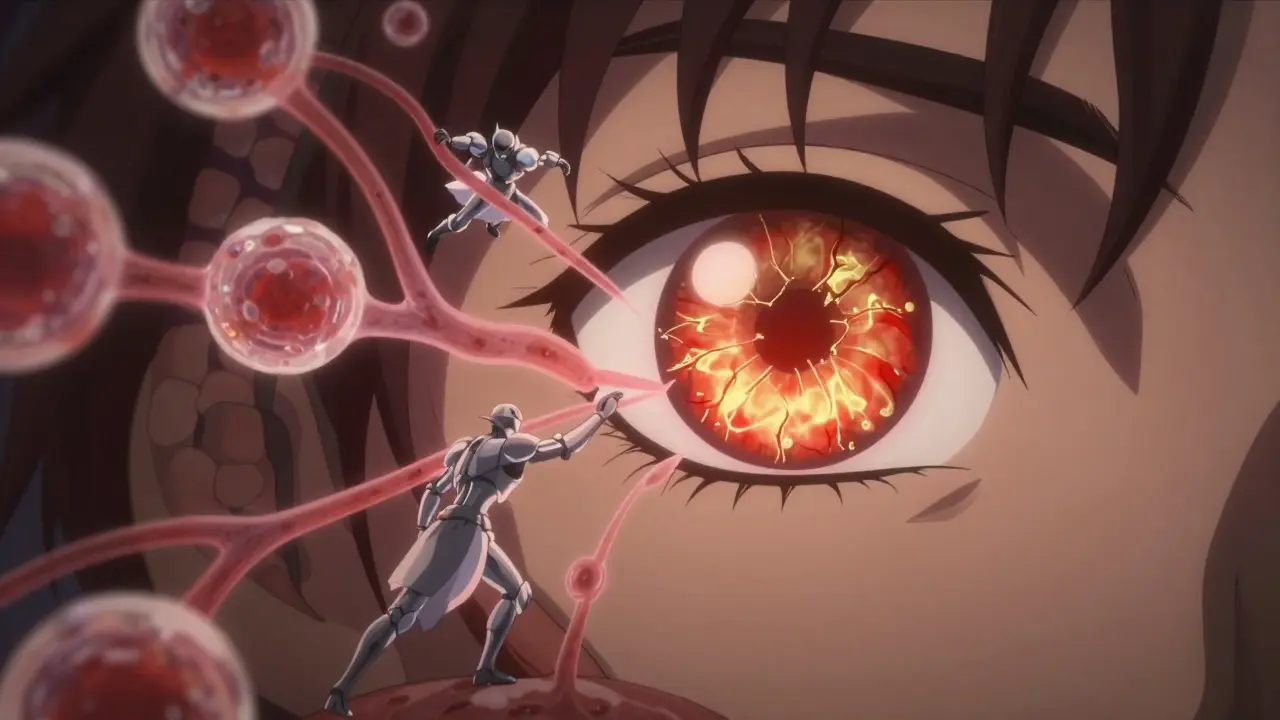
Autoimmune Uveitis: Understanding Eye Inflammation and Steroid-Sparing Therapy
Autoimmune uveitis is a rare but serious eye condition caused by the immune system attacking the eye. Steroid-sparing therapies like Humira and methotrexate help control inflammation without the long-term risks of steroids, preserving vision and improving quality of life.
Mar
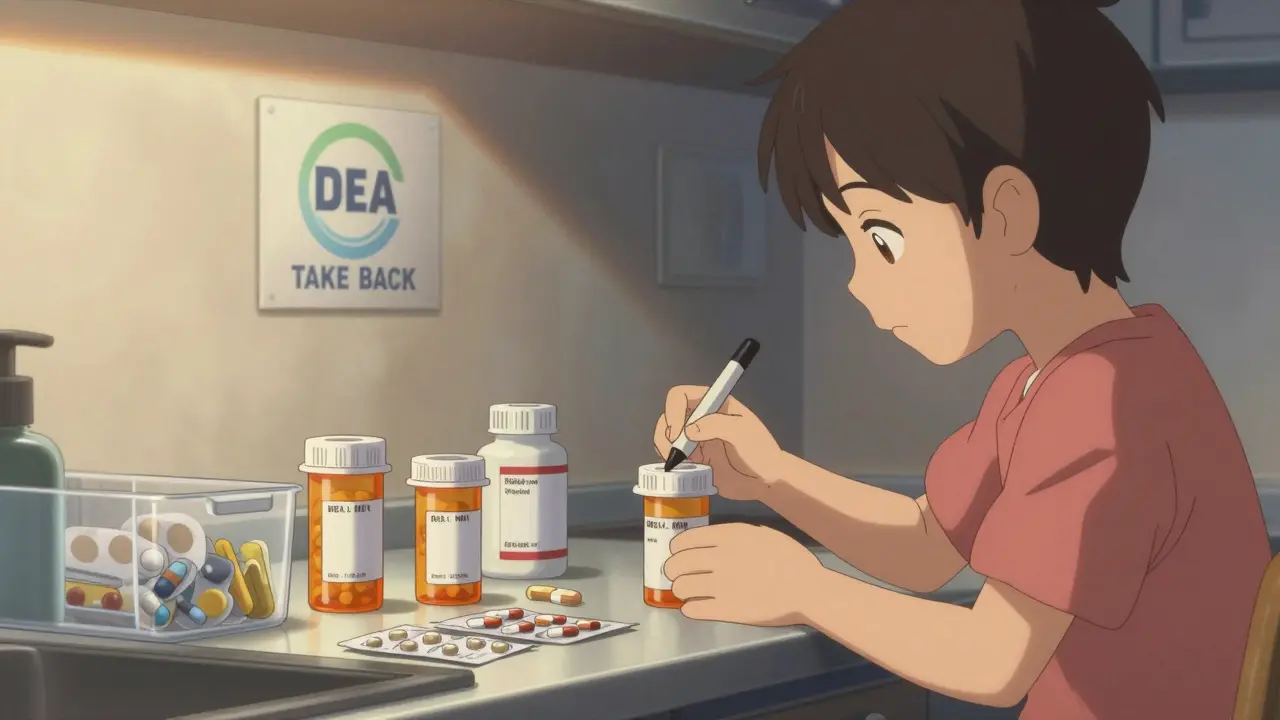
How to Prepare Unused Medications for Take-Back Events: Simple Steps to Stay Safe and Legal
Learn the simple, legal steps to prepare unused medications for take-back events. Keep your home safe, protect the environment, and prevent drug misuse with these clear guidelines.

Mar
Aspirin for Primary Prevention: Who Should Skip Daily Doses
Daily aspirin for heart health is no longer recommended for most people. Learn who should avoid it entirely - especially those over 60 - and what to do instead to protect your heart safely.

Mar
Dental Anesthesia and Anticoagulants: How to Minimize Bleeding Risks
Learn how to safely manage dental anesthesia while on blood thinners. Discover why stopping anticoagulants is riskier than continuing them, and what dentists actually do to prevent bleeding without changing your medication.
Feb
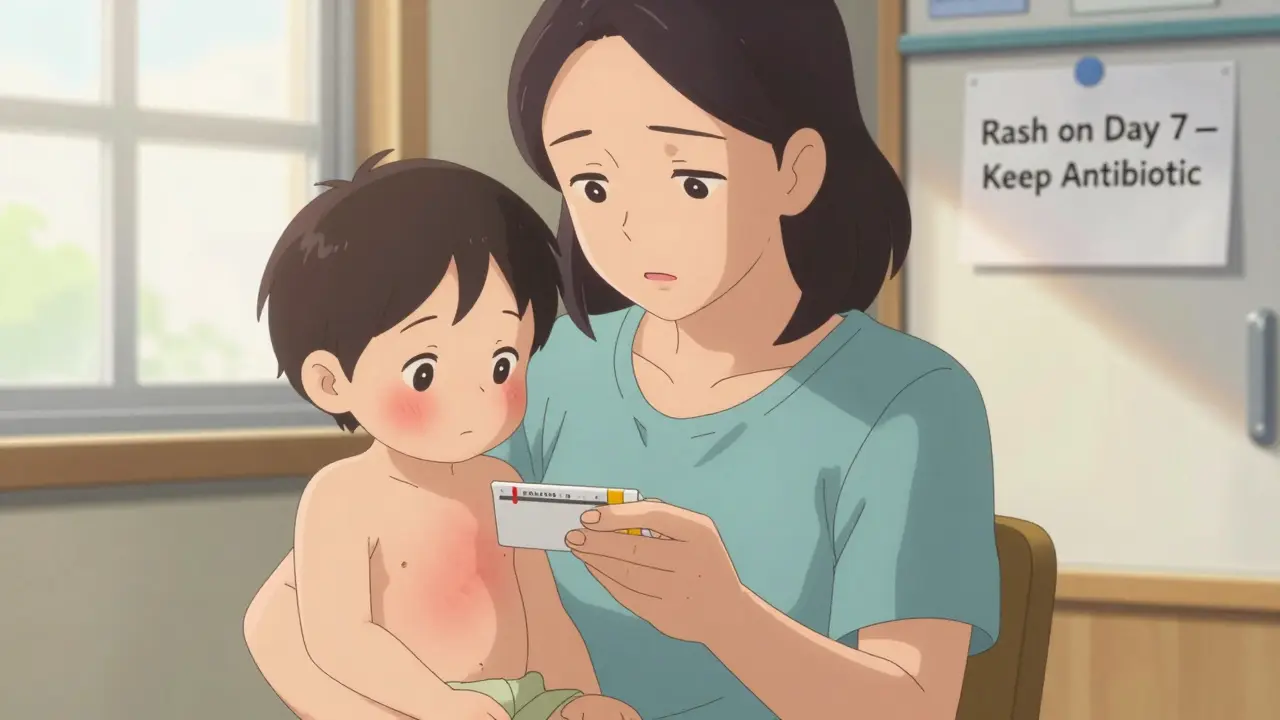
Antibiotic Rashes: When to Stop the Drug and Call the Doctor
Most antibiotic rashes aren't allergies. Learn how to tell the difference between harmless rashes and dangerous reactions-and when to keep giving the antibiotic or call the doctor.
Feb
QT Prolongation and Sudden Cardiac Death: What Medications Really Risk and Who’s Most Vulnerable
QT prolongation from medications can lead to sudden cardiac death, but risk isn't the same for everyone. Learn which drugs are most dangerous, who's most vulnerable, and how to prevent tragedy.
Feb
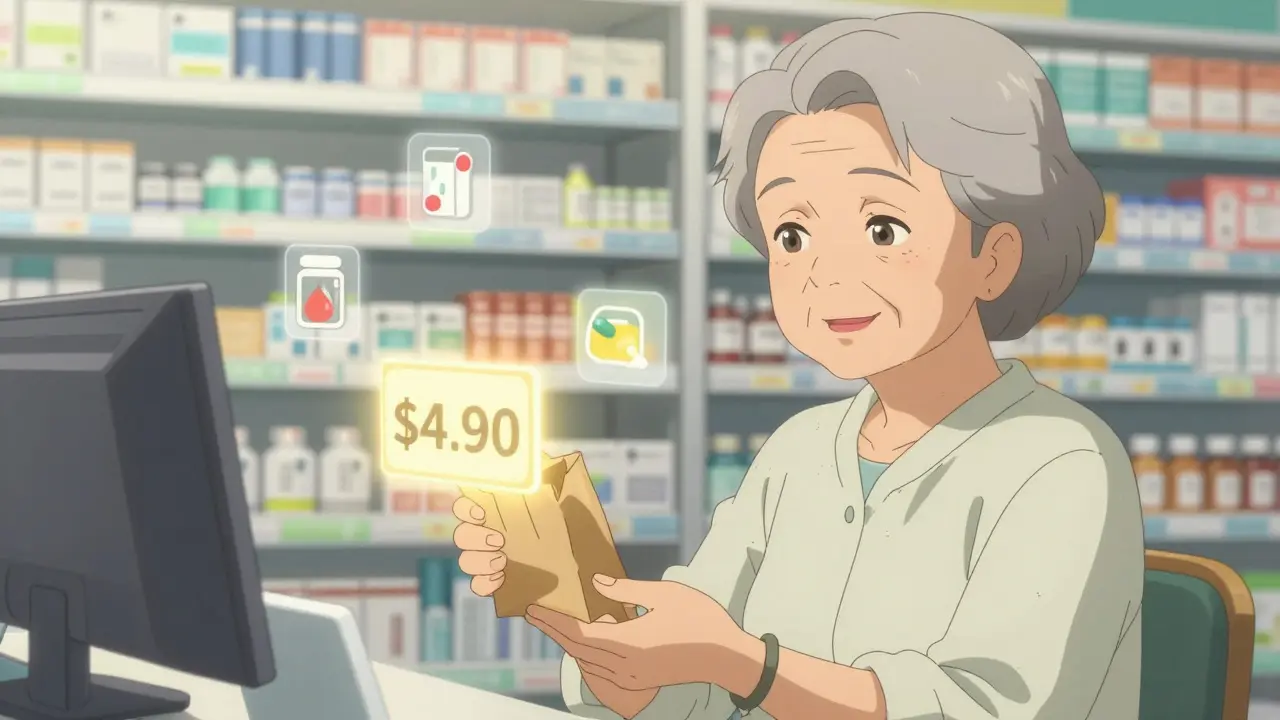
How Medicare Extra Help Reduces Costs for Generic Prescriptions in 2026
Medicare Extra Help cuts generic prescription costs to just $4.90 per fill in 2025. Learn who qualifies, how to apply, and why this program is the most powerful tool for seniors struggling with drug prices.
Feb
How to Report a Medication Safety Concern to Your Clinic
Learn how to report a medication safety concern to your clinic-step by step. Discover why speaking up matters, what to say, and how clinics are improving safety systems to protect patients like you.