
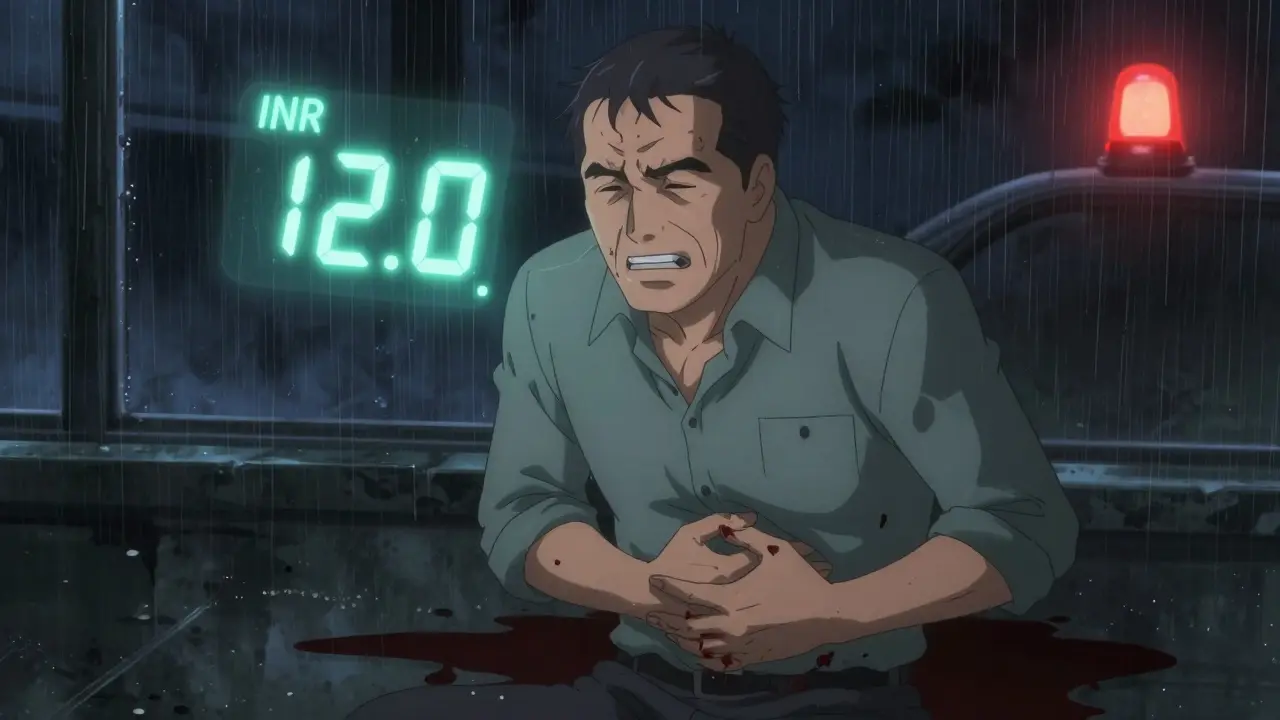
When you take a blood thinner, you’re not just managing a risk-you’re walking a tightrope. These medications stop deadly clots from forming, but if too much builds up in your body, they can turn life-saving into life-threatening. Blood thinner overdose doesn’t always come with a warning sign. No siren, no flashing light. Just a nosebleed that won’t stop. A bruise that grows without a bump. Dark stools you blame on spinach. By the time you realize something’s wrong, it might already be too late.
How Blood Thinners Work-And When They Go Wrong
Blood thinners like warfarin, apixaban (Eliquis), rivaroxaban (Xarelto), and dabigatran (Pradaxa) don’t actually thin your blood. They slow down the clotting process. Warfarin, used for over 70 years, blocks vitamin K, which your liver needs to make clotting proteins. Newer drugs like apixaban and rivaroxaban directly block factor Xa, a key player in clot formation. Dabigatran blocks thrombin, another essential clotting protein. The problem? These drugs have a razor-thin window between helping and harming. Too little, and a clot can form in your heart, lungs, or brain. Too much, and even a minor fall can cause bleeding inside your skull, stomach, or muscles. The CDC reports that anticoagulant-related emergencies account for over 33,000 U.S. ER visits every year. And that’s just in America.Signs You’re Overdosing-Don’t Wait for the Worst
Most people don’t realize they’re in danger until it’s too late. Here’s what to watch for:- Black, tarry stools or blood in stool
- Pink, red, or dark brown urine
- Spitting or vomiting blood, or material that looks like coffee grounds
- Nosebleeds lasting more than 10 minutes despite pressure
- Gums that bleed heavily when brushing or eating
- Unexplained bruises, especially large ones or clusters
- Heavy menstrual bleeding that’s new or much worse than usual
- Severe headaches, dizziness, or confusion-especially after a bump to the head
- Pain, swelling, or tightness in joints, muscles, or abdomen
- Extreme fatigue, shortness of breath, or pale skin
What to Do Right Now-If You Think You’ve Overdosed
Time is everything. Every hour counts. Here’s what you must do:- Call emergency services immediately. Don’t wait. Don’t text. Don’t call your doctor tomorrow. If you have any of the symptoms above, dial 911 (or your local emergency number) now.
- Do not take another dose. Even if you think you missed one, never double up. Overdose isn’t about forgetting-it’s about too much building up over time.
- Write down what you took. Name of the drug? Dose? Time of last pill? How many pills you think you took? Bring the bottle with you. This saves critical minutes in the ER.
- Lie down and stay calm. Elevate the bleeding area if you can-like raising your leg if you’re bleeding from a cut. But don’t move if you have head, neck, or back pain. Wait for help.
- Apply firm pressure. If you’re bleeding from a cut, press down hard with a clean cloth for at least 10 minutes. Don’t peek. Don’t lift it. Let it clot.
- Avoid NSAIDs. No aspirin. No ibuprofen. No naproxen. These make bleeding worse. Even a single extra pill can tip you over the edge.
What Happens in the Emergency Room
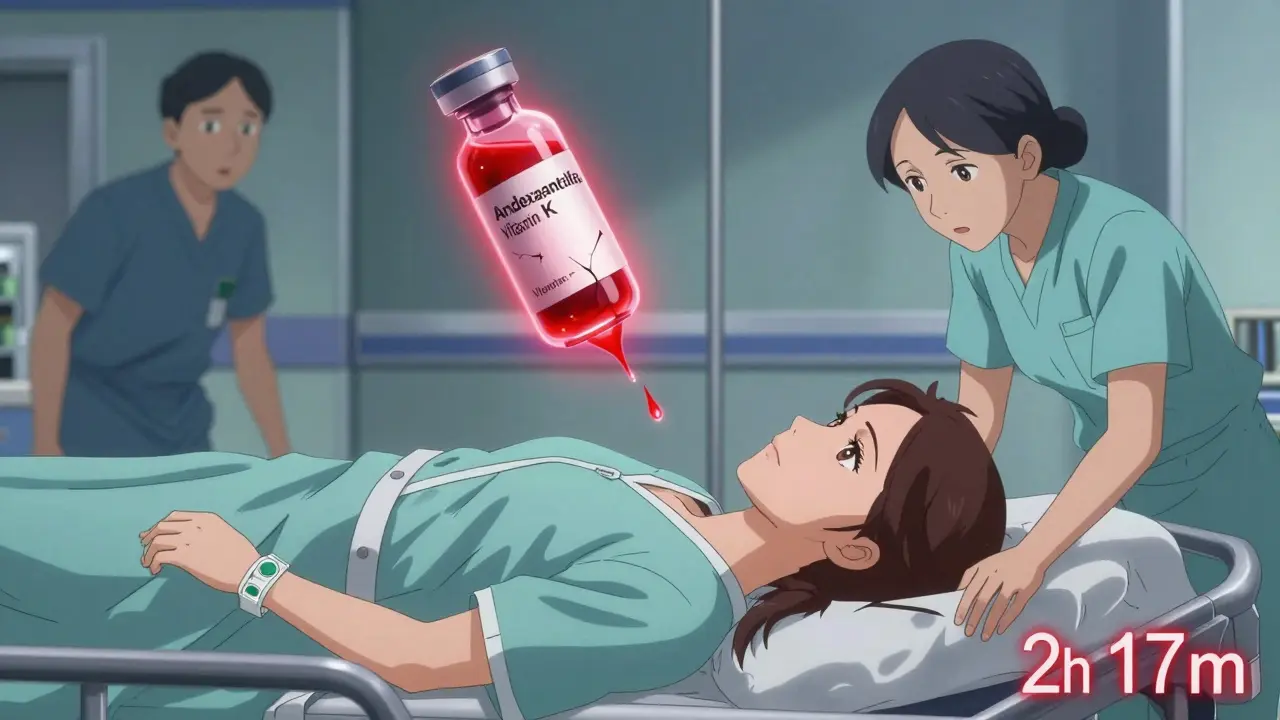
Doctors don’t guess. They test. They measure your INR-a number that tells them how long your blood takes to clot. A normal INR is around 1.0. For someone on warfarin, the target is usually 2.0-3.0. If your INR is above 5.0? That’s a medical emergency. Above 10? You’re at high risk of internal bleeding. Here’s what they’ll do:- If you’re on warfarin: They’ll give you vitamin K (phytonadione) to reverse its effect. If you’re actively bleeding, they’ll give you 4-factor Prothrombin Complex Concentrate (PCC)-a concentrated mix of clotting factors. This works in minutes. FFP (fresh frozen plasma) is an older option, but it’s slower and can overload your heart.
- If you’re on a DOAC (like Eliquis or Xarelto): There’s a specific antidote. Idarucizumab reverses dabigatran. Andexanet alfa reverses apixaban and rivaroxaban. These cost thousands per dose, but they work fast. Without them, doctors rely on activated charcoal (if taken within an hour) and supportive care.
- For severe cases: They may give tranexamic acid-a drug that helps clots stick. Blood transfusions are common if you’ve lost a lot of blood. Monitoring continues for days.
Why Some People Survive-And Others Don’t
It’s not luck. It’s timing. A 2022 study found that patients who reached the ER within two hours of bleeding symptoms had a 97% survival rate. Those who waited six hours or more? Only 76% made it. Why? Because internal bleeding doesn’t wait. Blood pools silently in your abdomen. Your brain swells from a tiny bleed. Your kidneys shut down. By the time you feel dizzy or faint, you’re already in shock. One patient, a 63-year-old woman in a 2016 case study, swallowed over 400 mg of warfarin-enough to kill 10 people. She didn’t go to the hospital for 12 hours. Her INR hit 12. But because she was monitored closely and given vitamin K, she survived. No PCC. No transfusion. Just time, awareness, and the right treatment.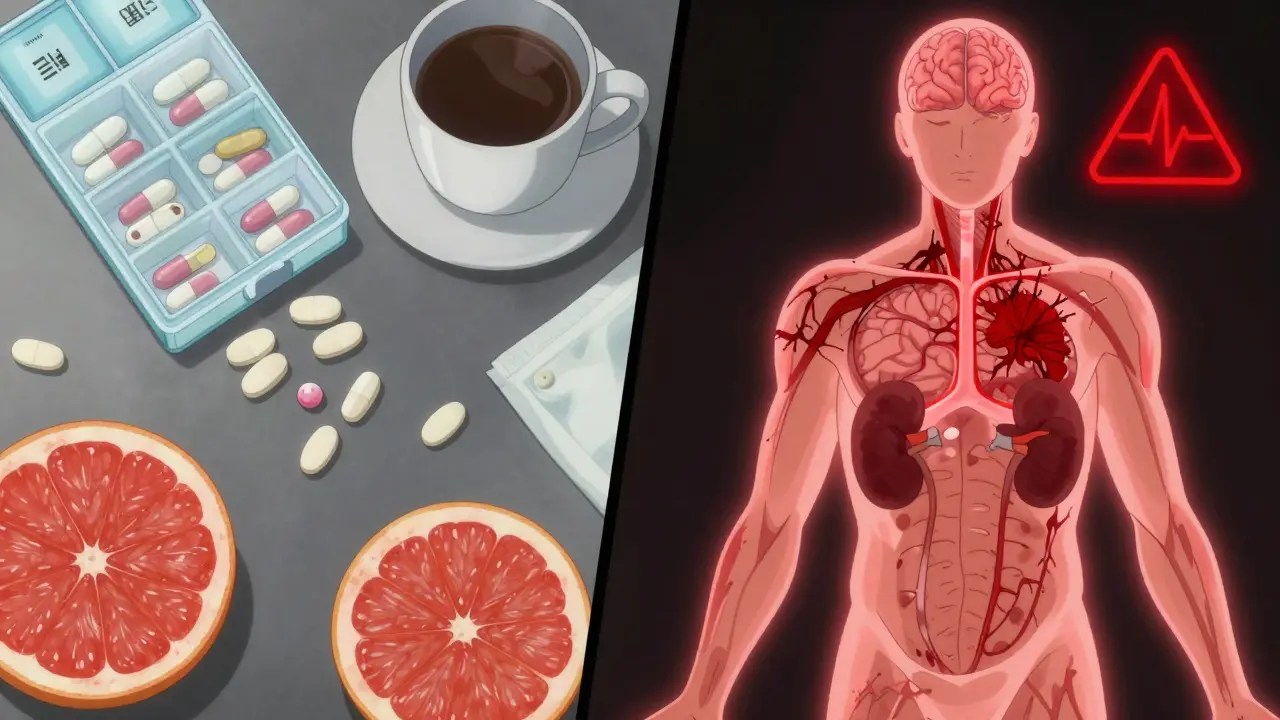
Preventing Overdose-It’s Not Just About Pills
You can’t just take your pill and forget it. You need a system:- Know your INR target. Most people: 2.0-3.0. If you have a mechanical heart valve: 2.5-3.5. Ask your doctor. Write it down.
- Get tested regularly. Weekly at first. Monthly if stable. Use a home INR monitor if your doctor recommends one. Studies show users reduce major bleeding by 34%.
- Check your meds. Many antibiotics, antifungals, and even herbal supplements like garlic, ginkgo, or St. John’s wort interact with warfarin. Even grapefruit can change how your body processes DOACs.
- Use a pill organizer. And label it clearly. One study found 41% of warfarin overdoses happened because patients took pills twice by mistake.
- Wear a medical alert bracelet. It says: "On blood thinner. Risk of bleeding." Paramedics see it. They act fast.
- Know your HAS-BLED score. It’s a simple tool doctors use: 1 point each for high blood pressure, kidney/liver issues, past bleeding, old age, unstable INR, alcohol use, or other drugs. If your score is 3 or higher? You’re at high risk. More monitoring. More caution.
What’s Coming Next
There’s hope. In 2023, the FDA approved a new drug called ciraparantag for Phase III trials. It’s called a "universal reversal agent"-it works on all blood thinners, not just one. If it works, it could cut reversal time from hours to minutes. Imagine: a single injection, anywhere, anytime. That’s the future. But right now? Your best defense is awareness. Your best tool is action. Don’t wait for a sign. If you feel off, if something’s wrong-call for help. Your life isn’t worth the gamble.What should I do if I think I took too much of my blood thinner?
Call emergency services immediately. Do not take another dose. Bring your medication bottle with you. Lie down, stay calm, and apply pressure to any external bleeding. Do not take aspirin, ibuprofen, or other NSAIDs.
Can I reverse a blood thinner overdose at home?
No. There is no safe or effective way to reverse a blood thinner overdose at home. Vitamin K works for warfarin but takes hours to days. Antidotes like idarucizumab or andexanet alfa require medical administration. Delaying care increases your risk of death.
How long does it take for a blood thinner overdose to cause bleeding?
It varies. For warfarin, bleeding can start 12-72 hours after an overdose, but the risk lasts up to 9 days. For DOACs like rivaroxaban, effects peak within 2-4 hours and last 12-24 hours. But internal bleeding can happen silently-before you notice symptoms.
Is it safe to take vitamin K at home if I think I overdosed?
No. While vitamin K reverses warfarin, the dose must be precise. Too little won’t help. Too much can make your blood too thick, increasing stroke risk. Only a doctor can determine the right amount based on your INR level.
Can I still use my blood thinner after an overdose?
Yes, but only under strict medical supervision. After an overdose, your doctor will re-evaluate your dose, monitor your INR closely, and check for underlying causes like liver problems, drug interactions, or changes in diet. Never restart without their approval.
What’s the difference between warfarin and newer blood thinners?
Warfarin requires regular blood tests (INR) and is affected by diet and other drugs. Newer drugs like Eliquis and Xarelto don’t need routine monitoring and have fewer food interactions. But they also have fewer reversal options-unless you have access to specific antidotes like andexanet alfa or idarucizumab.
Can I use a home INR monitor to prevent overdose?
Yes. Home INR monitors are FDA-approved and cost between $200-$300. Studies show patients who use them regularly reduce major bleeding events by 34%. They’re especially helpful if your INR is unstable, you travel often, or live far from a clinic.
What should I do if I’m on blood thinners and I fall?
Even if you feel fine, get checked. Internal bleeding can happen without visible injury. If you hit your head, have back pain, feel dizzy, or notice swelling, go to the ER. Don’t wait for symptoms. A small bleed inside your skull can kill you before you realize it.


I’ve been on Xarelto for 3 years and never thought about this until now. Seriously, if you’re on a blood thinner and you feel even a little off, just go to the ER. No shame. Better safe than dead.
OMG YES 🙌 I’m so glad someone finally said this. My cousin took 2 warfarin pills by accident and waited 8 HOURS because she thought "it’s probably fine". She ended up in ICU. Don’t be her. Call 911. Now. 💉❤️
This is exactly why we need better public education on anticoagulants. Most people think it’s just another pill. It’s not. It’s a precision tool. Treat it like one.
I wonder how many of these overdoses are actually caused by pharmaceutical companies pushing DOACs without proper patient training. I mean… why do we even need 3 different reversal agents? Sounds like a profit scheme.
I’m not saying this is alarmist-but if you’re on a blood thinner, you’re essentially walking around with a ticking time bomb in your bloodstream. Every single time you take that pill, you’re gambling with your own life. And let’s be honest: most people don’t even know what an INR is. 😭
I’ve seen this firsthand. My dad had a tiny bruise on his hip. Thought it was a bump. Three days later, he was in surgery. Don’t ignore the signs. Even if it seems small. It’s not.
I’ve been on Eliquis for 2 years. I use a pill organizer, I check my INR every 4 weeks, and I wear my bracelet. It’s not that hard. Just be consistent. Your future self will thank you.
I’m from India and we don’t have easy access to reversal agents here. My doctor says if I ever bleed, I must go to the hospital immediately. No home remedies. No waiting. Just go.
LMAO this is why you can’t trust doctors. They give you these dangerous drugs and then act like it’s your fault if you overdose. What about the fact that they don’t even test you properly? I’m done with this system.
I just want to say thank you for writing this. I’ve been scared to talk about my warfarin because I feel like I’m a burden. But reading this made me feel seen. You’re not alone. 🌿
i never knew grapefruit could mess with xarelto 😳 i just had a glass this morning… should i be worried? i mean… i feel fine??
If you’re on a blood thinner and you’re not using a home INR monitor, you’re playing Russian roulette. The data doesn’t lie. 34% reduction in bleeding. Period. Stop making excuses. Buy the damn device.