Dental Anticoagulant Risk Assessment Tool
Procedure Risk Assessment
Anticoagulant Type
Risk Assessment Results
When you're on blood thinners, even a simple dental cleaning can feel risky. You’ve probably heard stories about people stopping their medication before a tooth extraction - but that’s often the wrong move. In fact, discontinuing anticoagulants for minor dental work is more dangerous than leaving them on. The real threat isn’t bleeding - it’s the blood clot that could follow.
Why You Shouldn’t Stop Your Blood Thinners
About 8.4% of adults over 40 in the U.S. take oral anticoagulants, and that number keeps rising. Many of these patients are on warfarin or one of the newer drugs like apixaban (Eliquis) or rivaroxaban (Xarelto). These medications prevent strokes and clots, especially for people with atrial fibrillation, mechanical heart valves, or a history of deep vein thrombosis. Stopping them for a dental procedure? That raises stroke risk by 3.5 times. A 2020 JAMA study of over 3,000 patients showed that those who paused their blood thinners for tooth extractions were far more likely to have a stroke or pulmonary embolism than those who kept taking them. The bleeding from a single tooth extraction? Usually minor and controllable. A stroke? Permanent. Or fatal.Know Your Bleeding Risk Level
Not all dental procedures are the same. The risk of bleeding depends on what’s being done:- Low-risk procedures: Fillings, cleanings, simple extractions, root canals, periodontal probing. These rarely cause serious bleeding, even on blood thinners.
- Moderate-risk procedures: Multiple extractions, gum surgery, implant placement. These need more attention but often don’t require stopping medication.
- High-risk procedures: Full-mouth extractions, major jaw surgery, multiple implants. These may need special planning - but even here, stopping anticoagulants isn’t always the answer.
The key isn’t just the procedure - it’s your drug and your INR level. For warfarin users, your INR (International Normalized Ratio) should be checked within 72 hours before the appointment. Most dentists aim for an INR under 3.5 for low-risk work. For moderate cases, they’ll want it under 2.5. High-risk cases? You might need an INR under 2.0 - but only if your cardiologist agrees.
How DOACs Change the Game
Direct oral anticoagulants (DOACs) like apixaban, rivaroxaban, and dabigatran are now more common than warfarin. They’re easier to manage because they don’t need regular blood tests. But timing matters.- If you take apixaban twice a day, skip your dose the morning of the procedure. Wait at least 24 hours after your last dose.
- If you take rivaroxaban once a day, skip it the morning of. Wait 12-24 hours after your last dose.
- For dabigatran, wait 24 hours if you have normal kidney function. If your kidneys are weak, wait 48 hours.
Here’s the catch: if you have a tooth pulled less than 4 hours after taking rivaroxaban, your risk of major bleeding jumps to 8.7%. At 4 hours or more? It drops to 1.2%. That’s why timing your appointment matters. Schedule extractions in the afternoon if you take your morning dose.

What Dentists Actually Do to Control Bleeding
Dentists aren’t just hoping for the best. They use proven methods to stop bleeding without touching your medication:- Tranexamic acid mouthwash: A 5% solution used 4 times a day for 7 days after the procedure cuts bleeding risk by 62%. It’s cheap, safe, and works better than gauze.
- Oxidized regenerated cellulose (Surgicel®): This material is packed into the socket after extraction. It reduces bleeding time by 47% compared to regular gauze.
- Microfibrillar collagen (Avitene®): This sponge-like material triggers natural clotting. It stops bleeding in 92.3% of cases on anticoagulants.
- Lidocaine with epinephrine: Using a local anesthetic with epinephrine (1:100,000) tightens blood vessels and reduces bleeding by 32%.
These aren’t experimental. They’re standard in clinics that follow the 2023 ADA guidelines. And they work.
What NOT to Take After Your Procedure
Painkillers are tricky. You might reach for ibuprofen or naproxen - but NSAIDs like these increase bleeding risk 3 to 6 times when combined with anticoagulants. Stick with acetaminophen (Tylenol). But even that has a catch: if you take more than 2 grams a day for over 7 days, it can raise your INR. So, keep it under 1 gram every 6 hours, and don’t use it longer than a week unless your doctor says otherwise.Antibiotics matter too. Metronidazole (Flagyl) can boost warfarin’s effect by 33-50%. That means your INR could spike dangerously high. Azithromycin? Safe. No interaction. Always tell your dentist what antibiotics you’re on.
Why Bridging with Heparin Is a Bad Idea
Some doctors used to recommend switching from warfarin to heparin injections before surgery - a process called “bridging.” But that’s outdated. The BRIDGE trial in 2015 showed that bridging tripled major bleeding risk without reducing clots. The American College of Cardiology now says: Never bridge for dental procedures. The risk isn’t worth it.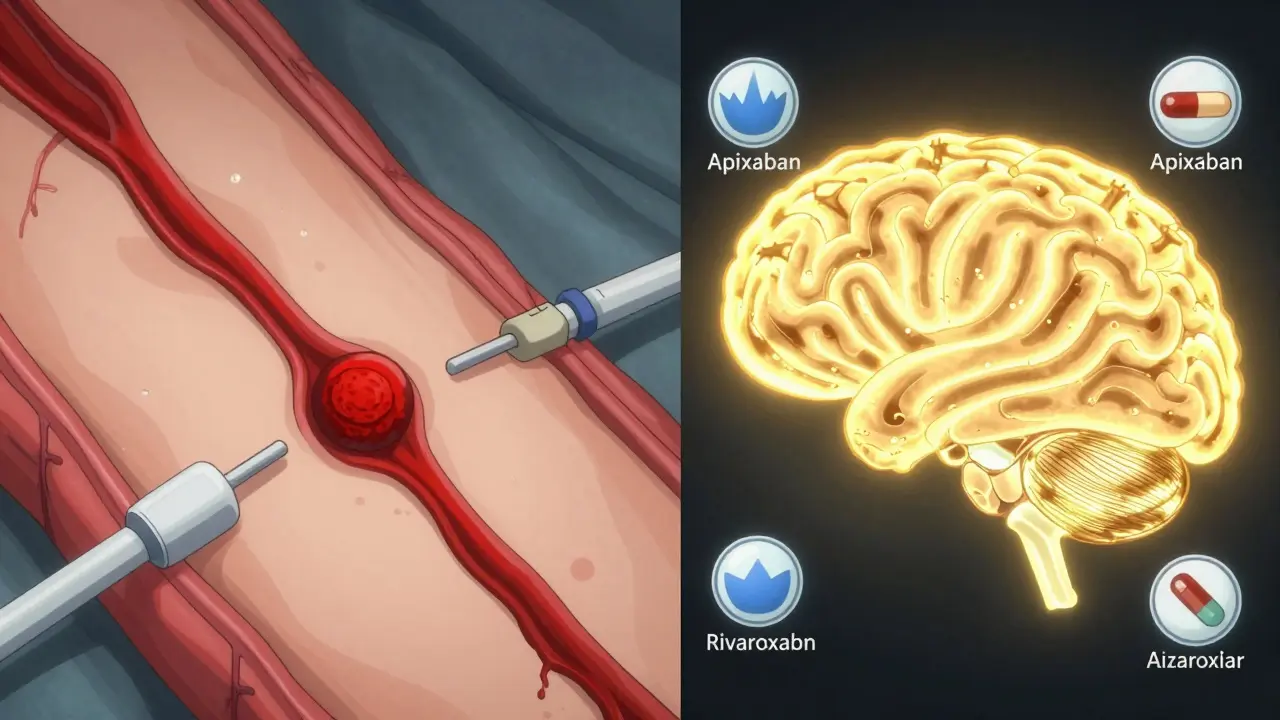
What You Should Do Before Your Appointment
Don’t guess. Don’t assume. Here’s your checklist:- Call your dentist and your cardiologist or hematologist. Let them talk to each other.
- Don’t stop your blood thinner unless both doctors agree - and even then, only for high-risk procedures.
- For DOACs: Know your last dose time. Skip the morning dose if your procedure is in the AM. Wait 12-24 hours.
- For warfarin: Get your INR checked within 72 hours before the appointment.
- Ask for tranexamic acid mouthwash. It’s not optional - it’s essential.
- Bring a list of all medications, including supplements like fish oil or garlic pills - they can thin blood too.
Common Mistakes Dentists Still Make
A 2022 survey of over 1,200 U.S. dentists found that nearly 44% still tell patients to stop warfarin for a single tooth extraction. That’s outdated. Worse, 18% of those patients ended up in the ER with a clot within 30 days. This isn’t just ignorance - it’s dangerous.Clarity is the solution. Clinics that use checklists cut adverse events by 67%. The Cleveland Clinic’s protocol - mandatory INR check, hemostatic agents, clear instructions - became the gold standard for a reason.
What’s Coming Next
New tools are making management easier. Portable INR devices like CoaguChek® let dentists check your blood thinning level right in the chair - in under a minute. No more waiting for lab results.Recombinant factor VIIa gel is being tested as a topical hemostatic agent. Early studies show it cuts bleeding time in half. And AI tools are being developed to predict bleeding risk by analyzing 17 factors - from your platelet count to the number of teeth being pulled.
By 2027, 78% of dental practices in the U.S. are expected to have formal anticoagulant protocols. That’s up from just 42% today. The message is clear: we’re getting smarter about balancing bleeding and clotting risks.
You don’t need to fear dental work. You need to be prepared. Keep your blood thinners. Use the right tools. Talk to your team. And don’t let outdated advice put you at risk.