
Archive: 2025/12
Dec
Age-Appropriate Medications for Common Pediatric Conditions: Safe Dosing, Formulations, and What to Avoid
Learn which medications are safe and effective for children based on age, weight, and condition. Avoid dangerous drugs, understand proper dosing, and discover how formulations make a difference in pediatric care.
Dec
Age-Appropriate Medications for Common Pediatric Conditions: Safe Dosing and Formulations for Kids
Learn which medications are safe and effective for children based on age, weight, and condition. Avoid dangerous drugs, understand proper dosing, and discover how formulations impact treatment success.
Dec
Pediatric Medication Side Effects: Why Kids React Differently to Drugs
Children react differently to medications than adults due to developing organs, changing metabolism, and unique drug sensitivities. Learn which drugs are most dangerous for kids, how age affects side effects, and what parents and doctors can do to prevent harm.
Dec
Packaging and Labeling: How to Verify the Authenticity of Generic Medicines
Learn how to verify the authenticity of generic medicines by checking packaging, using UV lights, and understanding spectroscopy tools. Protect yourself and others from counterfeit drugs.

Dec
Sports and Anticoagulants: Injury Risk and How to Stay Safe
Athletes on blood thinners face higher bleeding risks during sports. Learn which activities are safe, how DOACs offer more flexibility than warfarin, and proven strategies to compete without risking serious injury.

Dec
Sexual Side Effects from Common Medications: What You Need to Know
Many common medications-from antidepressants to blood pressure pills-can cause sexual side effects like low desire, erectile dysfunction, or delayed orgasm. Learn which drugs are most likely to cause these issues and what you can do about them.

Dec
FDA Boxed Warnings Explained: What You Need to Know Before Taking High-Risk Medications
Boxed warnings on prescription drugs signal serious risks-but they don't mean avoid the medication. Learn what they mean, how to stay safe, and what questions to ask your doctor.
Dec
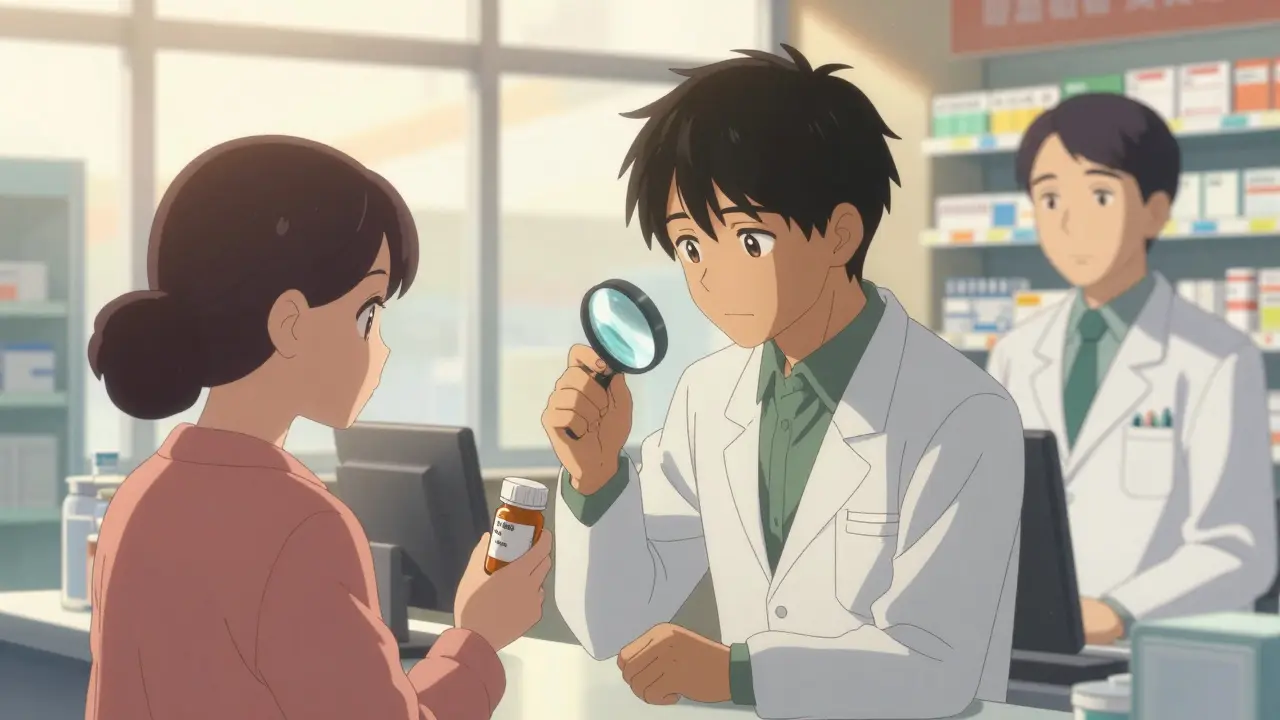
Verifying Your Prescription at the Pharmacy: A Simple Patient Checklist to Avoid Medication Errors
Learn how to verify your prescription at the pharmacy with a simple 7-point checklist to prevent dangerous medication errors. Protect yourself with these easy steps before you leave the counter.
Dec
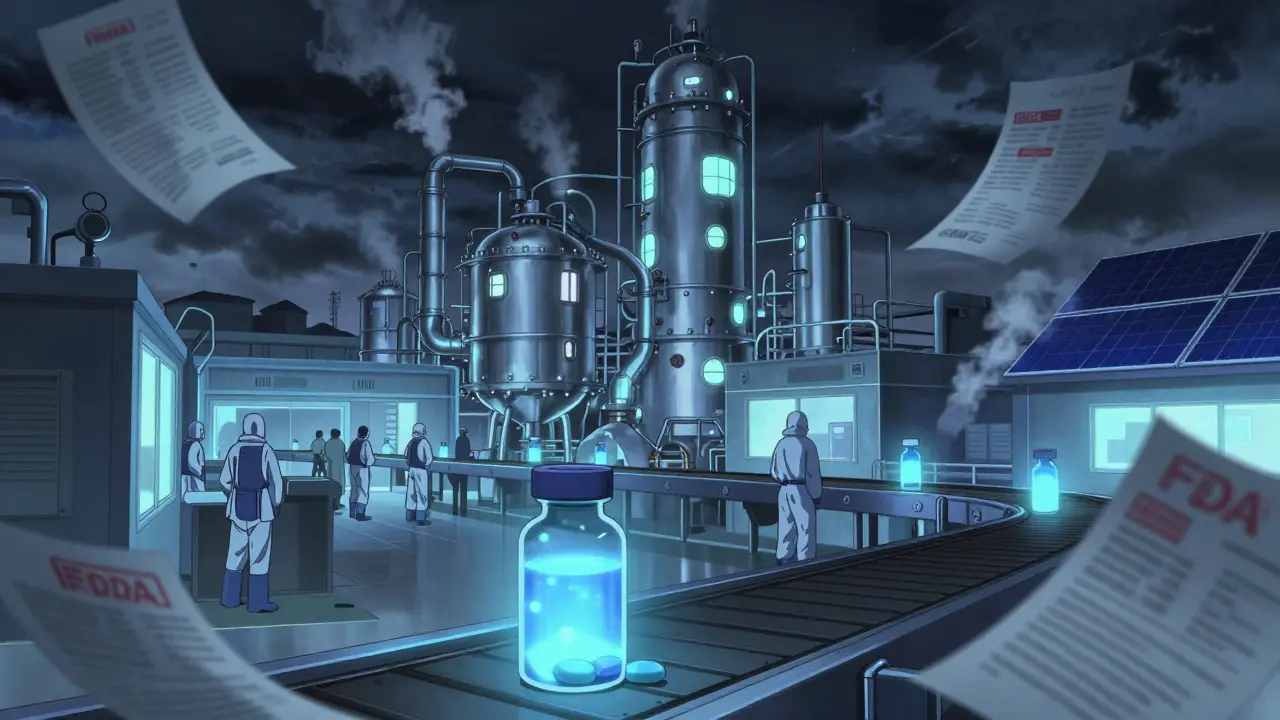
Chinese Generic Production: Manufacturing and Quality Concerns in Global Pharma
China produces 80% of the world's generic drug ingredients, offering low prices but raising serious quality concerns. FDA inspections reveal widespread compliance failures, while global efforts to diversify supply chains gain momentum.
Dec
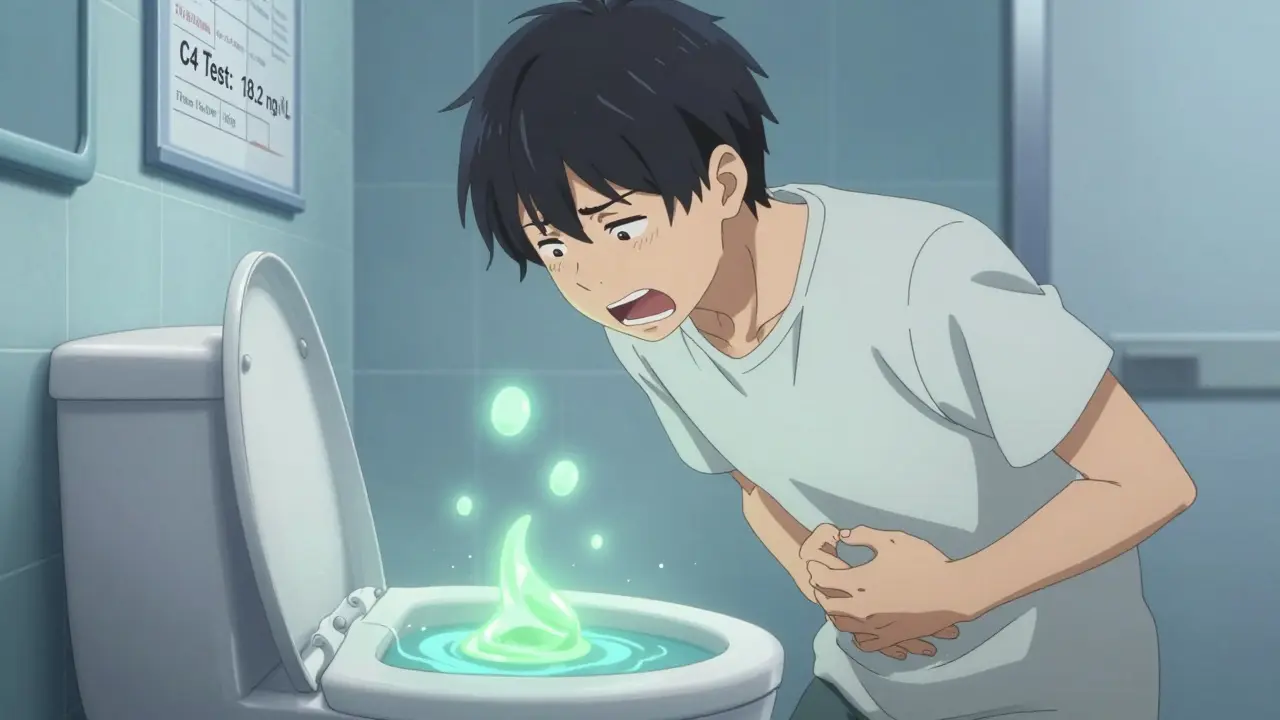
Bile Acid Diarrhea: How to Diagnose, Treat with Binders, and Manage with Diet
Bile acid diarrhea is often misdiagnosed as IBS-D but responds well to binders and diet changes. Learn how to get tested, which medications work best, and simple dietary tips to stop chronic watery diarrhea.