
Medications: Practical Drug Guides and Safety Tips
Welcome to the Medications section at AccessRx.su. You’ll find clear, practical articles about prescription drugs, over‑the‑counter meds, and treatment choices. Read guides that explain how medicines work, what side effects to expect, and when to call a doctor. We focus on real questions people ask every day: which alternative fits better, how drugs interact, and safe use tips.
Each article aims to answer a single question fast. Want alternatives to Lisinopril or Symbicort? Look for comparison posts that list pros and cons, key risks, and who should consider each option. Need detailed drug behavior? Our pharmacokinetics and pharmacodynamics pieces, like the linezolid breakdown, explain absorption, dose timing, and how the drug fights bacteria in plain terms.
How to use these guides
Start with the overview at the top of any post. Skim the quick facts or the comparison chart to get the main points. Scroll to sections labeled “safety” or “side effects” if you worry about risks. For dosing or special populations — pregnancy, kidney disease, or children — read the dedicated notes. If an article mentions monitoring (labs, liver tests, or blood pressure checks), make a note to discuss that with your clinician.
Safety checklist before you take a medicine
Check five things every time: 1) Exact drug name and dose, 2) Why you were prescribed it, 3) Major side effects and when to seek help, 4) Interactions with other meds or supplements, 5) Any special warnings for pregnancy, breastfeeding, kidney, or liver disease. If you use more than one doctor, keep an up‑to‑date medicine list to avoid accidental interactions.
We also cover practical topics like storage (keep some meds cool or away from light), adherence tips (set alarms or use a pill box), and how to stop or switch a drug safely under medical supervision. For infections, posts explain which antibiotics fit certain conditions, such as ciprofloxacin for skin infections, and why some drugs need food or avoidance of certain drinks.
Want alternatives? Our comparison posts list real options—topicals, pills, or newer biologics—plus tradeoffs like convenience, cost, and side effect patterns. For conditions like alcohol use disorder, we outline approved meds and reasonable off‑label choices so you can discuss real options with your provider.
Use the search box or tags to find posts fast. Popular entries include a plain breakdown of linezolid, a step‑by‑step list of Lisinopril alternatives, and a 2025 roundup of Valtrex options. You’ll also find practical reviews like Ciprofloxacin for cellulitis and guides on stopping or switching therapies safely. If cost matters, look for price and insurance notes. Want a quick comparison? Open our chart posts to scan side effects, monitoring needs, and who should avoid each drug.
Remember: this site gives clear, practical info but not personalized prescriptions. Use our articles to prepare for visits, ask informed questions, and double‑check facts with your healthcare team. If a symptom is severe or sudden, seek urgent care rather than waiting for online advice. Check updates often for new drug news daily.

Apr
Preventing Falls in Older Adults Using Sedating Antihistamines
Discover how sedating antihistamines increase fall risk in older adults and learn practical prevention strategies, including safer medication alternatives and home safety tips.

Apr
Proton Pump Inhibitors: Long-Term Risks and How to Safely Stop
Discover the long-term risks of Proton Pump Inhibitors (PPIs), including bone fractures and nutrient loss, and learn the safe way to taper off these medications.
Mar
Communicating with your pharmacy during generic transitions: A practical guide
Navigating generic medication switches can be confusing. Learn how to effectively communicate with your pharmacist, understand bioequivalence, manage costs, and ensure safety during transitions.
Mar
Using a Drug Interaction Checker Tool Effectively
Learn how to use drug interaction checker tools to prevent harmful side effects. We compare top platforms, explain accuracy rates, and offer a step-by-step guide for safe medication management.

Mar
Over-the-Counter Medications Past Expiration: Risk vs. Benefit
Understand the real risks of expired over-the-counter medications. Learn which drugs stay safe, which degrade, and how storage affects potency.
Mar
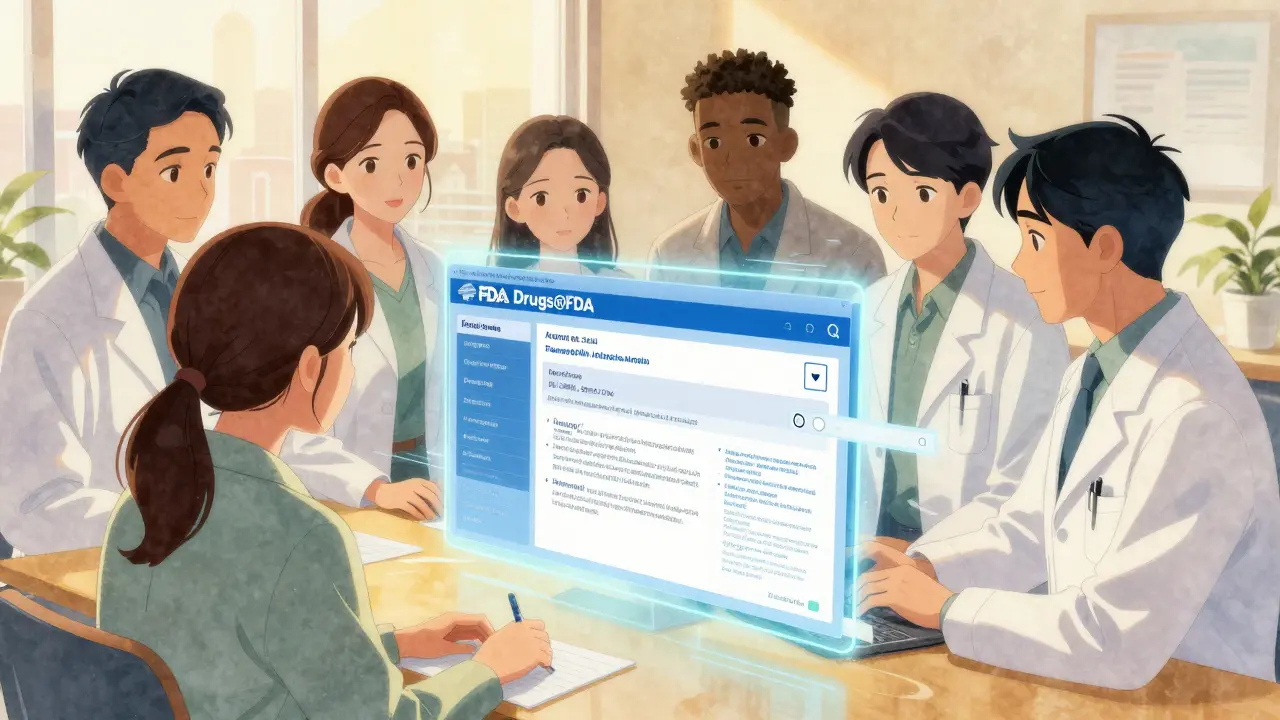
How to Search FDA’s Drugs@FDA Database for Official Drug Information
Learn how to use the FDA’s Drugs@FDA database to find official drug approval info, labels, and regulatory documents. A step-by-step guide for patients, pharmacists, and researchers.

Mar
180-Day Exclusivity: How Patent Law Delays Generic Drug Entry
The 180-day exclusivity rule under the Hatch-Waxman Act was meant to speed up generic drug entry, but it often delays competition. Learn how patent challenges, forfeiture rules, and pay-for-delay deals affect drug prices and patient access.
Mar
Prescription Insurance Coverage: Key Questions to Ask Before You Enroll
Don't get stuck paying thousands for prescriptions. Learn the 7 key questions to ask about your prescription insurance coverage before you enroll-and how to save hundreds or even thousands each year.

Mar
Blood Thinner Overdose and Internal Bleeding: What to Do
A blood thinner overdose can cause life-threatening internal bleeding. Know the warning signs, what to do in an emergency, and how to prevent it. Time matters-act fast.
Mar
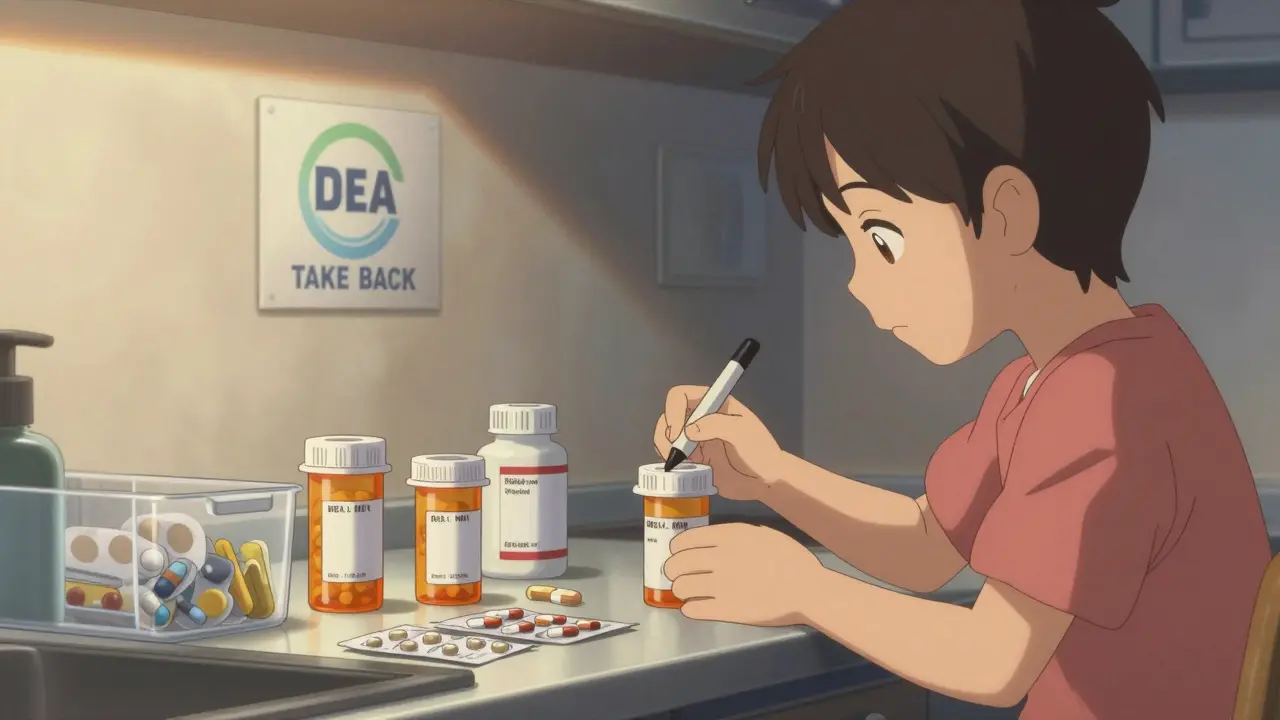
How to Prepare Unused Medications for Take-Back Events: Simple Steps to Stay Safe and Legal
Learn the simple, legal steps to prepare unused medications for take-back events. Keep your home safe, protect the environment, and prevent drug misuse with these clear guidelines.