
Medication Safety: Protect Yourself from Dangerous Interactions and Hidden Risks
When you take a medication, you're trusting that it’s safe, effective, and free from hidden threats. But medication safety, the practice of using drugs correctly while avoiding harm. Also known as drug safety, it's not just about following the label—it's about understanding what else might be in your pill, how it reacts with other drugs, and whether your body can handle it. Too many people assume that if a doctor prescribed it or a pharmacy filled it, it’s automatically safe. That’s not true. counterfeit drugs, fake medications laced with fentanyl, antifreeze, or heavy metals are flooding markets worldwide. One pill meant for pain relief could be a silent killer.
drug interactions, when two or more medications clash in your body are another silent threat. You might be taking a statin for cholesterol, grapefruit juice for breakfast, and an antibiotic for a cold—all perfectly legal, all perfectly dangerous together. CYP450 enzymes in your liver are like a busy highway, and too many drugs trying to use the same exit can cause deadly backups. Even something as simple as steroid eye drops can raise your eye pressure so high it leads to glaucoma if you don’t monitor it. And then there are TNF inhibitors, powerful biologics that calm autoimmune inflammation but can lower your body’s ability to fight cancer. They help people with arthritis walk again—but they also increase the risk of lymphoma. Knowing this isn’t fear-mongering. It’s survival.
Medication safety also means knowing when something isn’t working the way it should. Opioid-induced itching isn’t just a nuisance—it’s a sign your nerve pathways are reacting, not your histamine levels. Benadryl won’t fix it, but nalbuphine might. Rebound congestion from nasal sprays? It’s not addiction—it’s your nasal lining screaming for help. And if you’re on GLP-1 weight-loss drugs and feel nauseous, it’s not weakness. It’s chemistry. Small meals and slow titration can make all the difference.
What you’ll find below isn’t just a list of articles. It’s a practical field guide to the real dangers most people never hear about. From moisture ruining your pills in a humid bathroom to how citrus fruits like pomelo can turn your blood thinner into a poison, every post here is based on real cases, real data, and real consequences. No fluff. No guesses. Just what you need to know to take control of your health before something goes wrong.
Mar
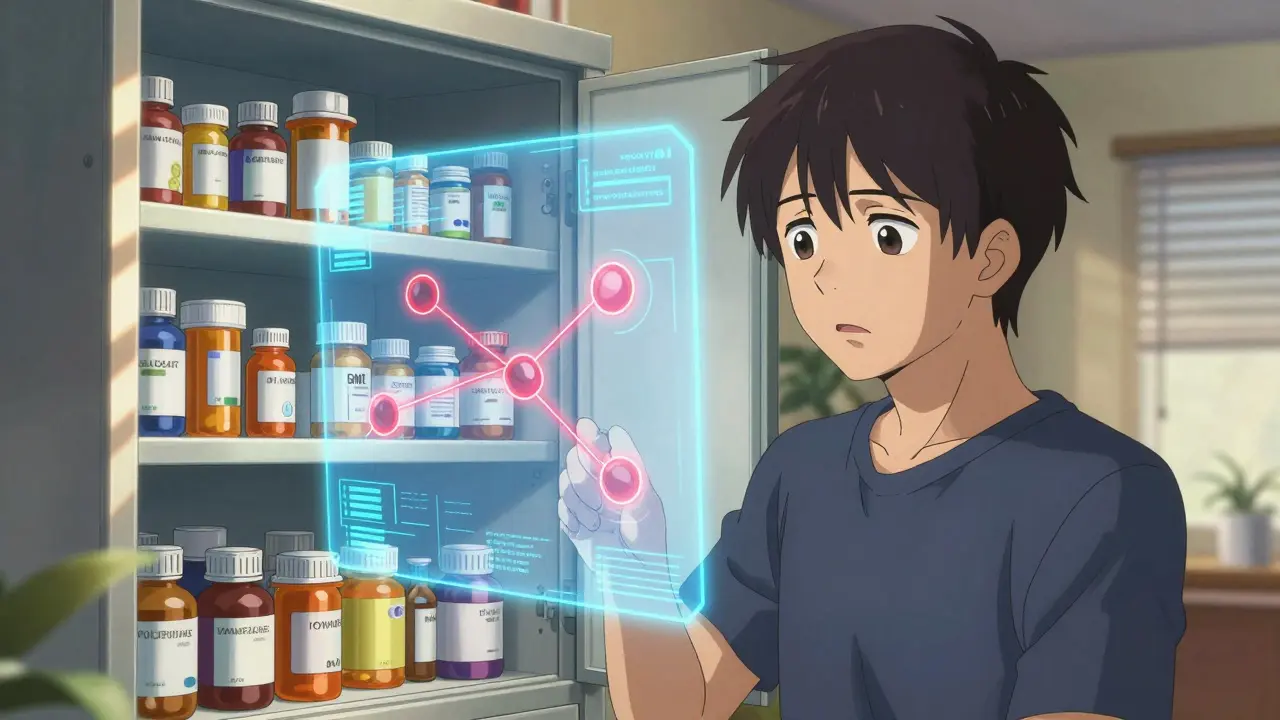
Using a Drug Interaction Checker Tool Effectively
Learn how to use drug interaction checker tools to prevent harmful side effects. We compare top platforms, explain accuracy rates, and offer a step-by-step guide for safe medication management.
Mar
Over-the-Counter Medications Past Expiration: Risk vs. Benefit
Understand the real risks of expired over-the-counter medications. Learn which drugs stay safe, which degrade, and how storage affects potency.
Feb
How to Report a Medication Safety Concern to Your Clinic
Learn how to report a medication safety concern to your clinic-step by step. Discover why speaking up matters, what to say, and how clinics are improving safety systems to protect patients like you.
Feb
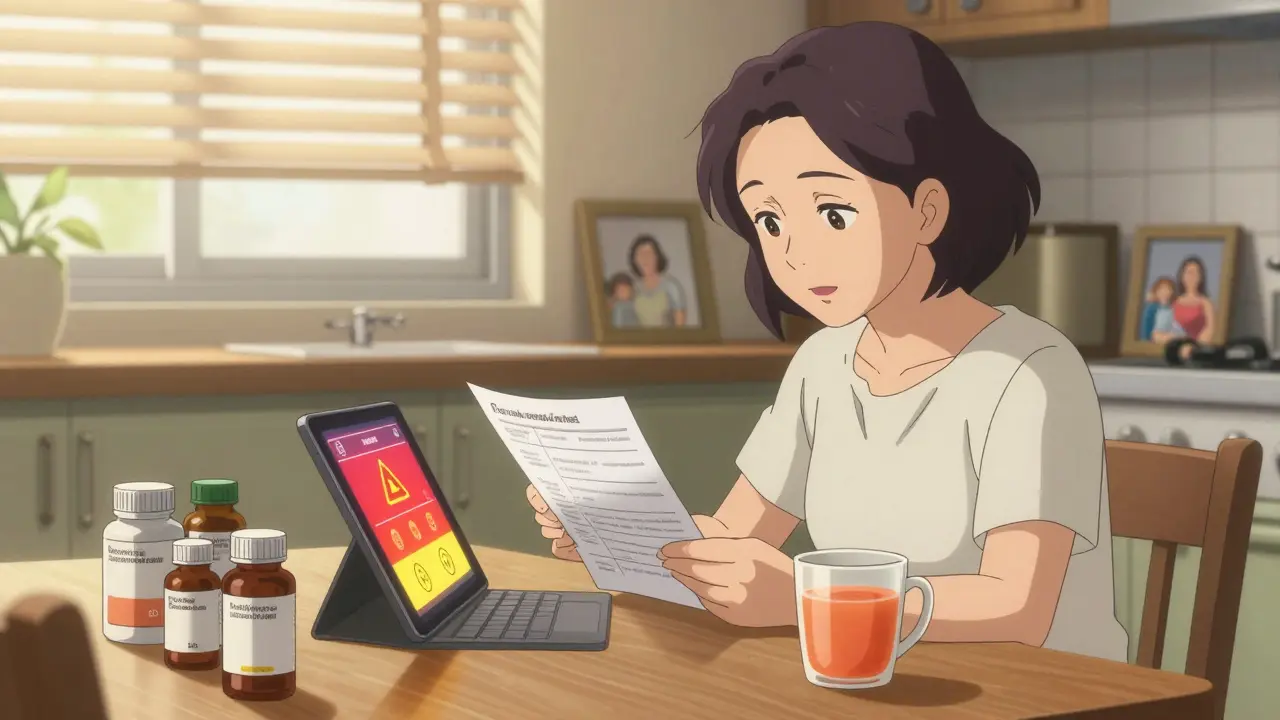
How to Check for Drug Interactions at Home Safely
Learn how to safely check for dangerous drug interactions at home using free online tools. Avoid ER visits by knowing which meds, supplements, and foods clash - and when to call a pro.
Feb
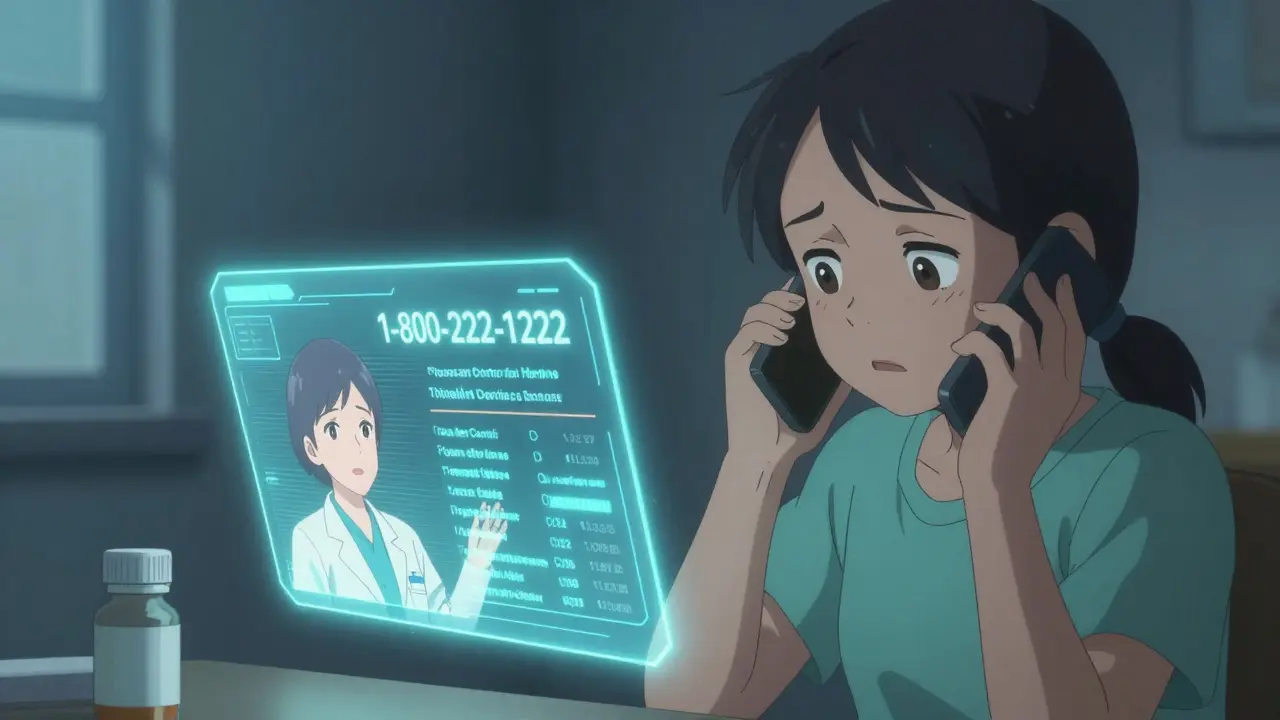
Poison Control Hotline: How It Works and What to Report About Medications
Learn how the Poison Control Hotline works, what details to report about medications, and when to call-free, expert help for accidental overdoses, interactions, and poisonings.
Jan
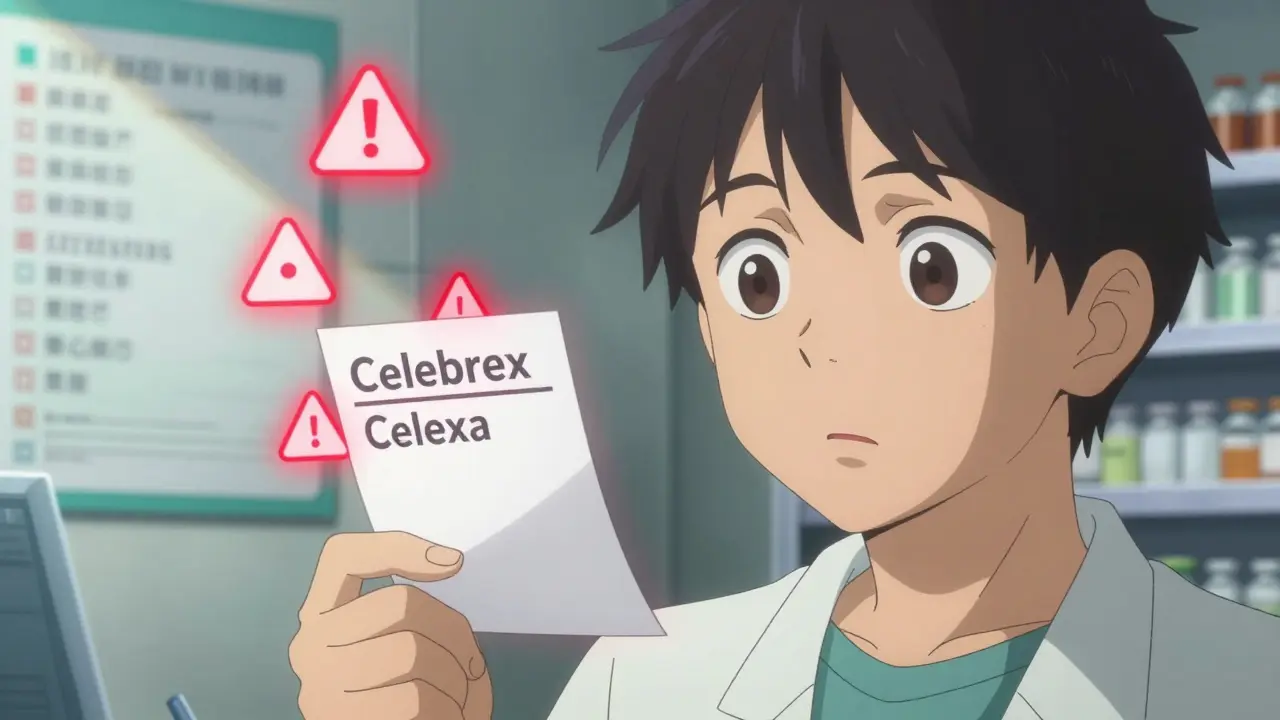
Prescription Writing Errors and How to Catch Them as a Patient
Prescription writing errors harm over 1.5 million Americans yearly. Learn how to spot dangerous mistakes in your medication orders-before you take them. Simple checks can prevent deadly errors.
Jan
How to Manage Interactions When Starting a New Medication
Learn how to safely start a new medication by understanding drug interactions, recognizing high-risk combinations, and taking practical steps to prevent dangerous side effects. Essential for anyone on multiple prescriptions.
Dec
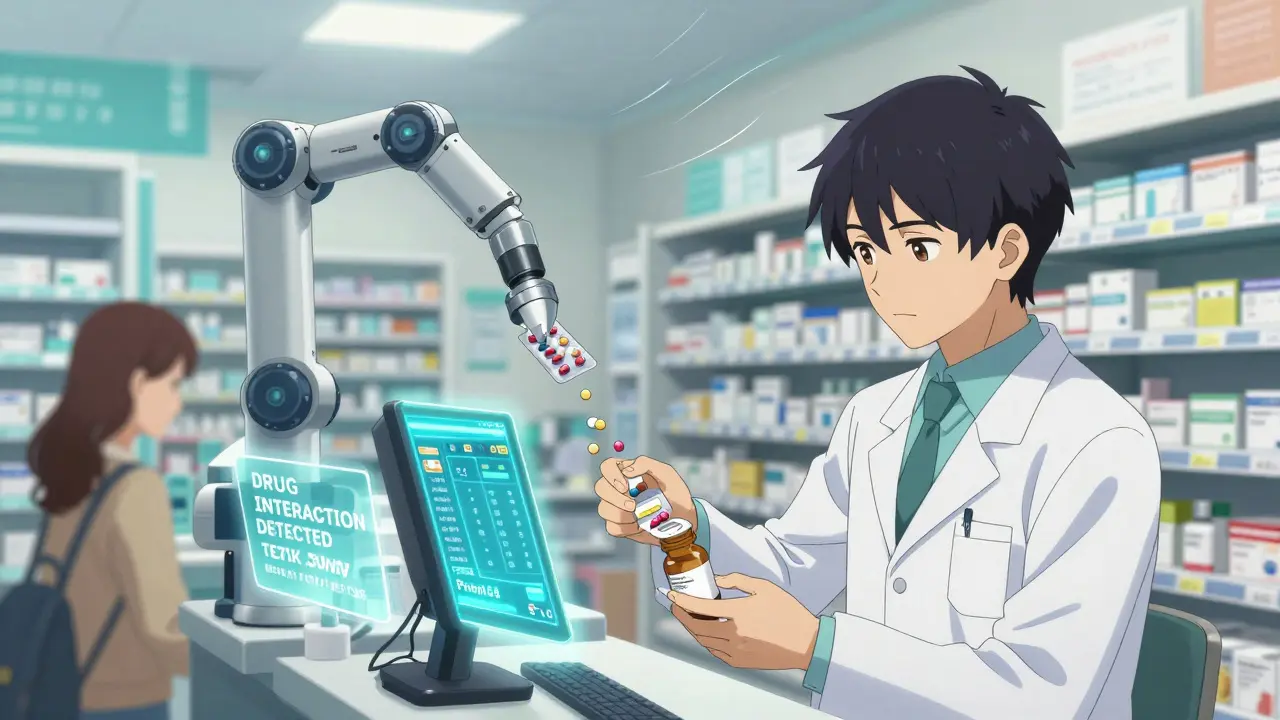
Pharmacy Workflow and Error Prevention Systems Explained
Pharmacy workflow and error prevention systems use automation, barcode scanning, and robotics to reduce medication errors in hospitals and community pharmacies. Learn how these tools improve safety, cut mistakes, and support pharmacists.
Nov
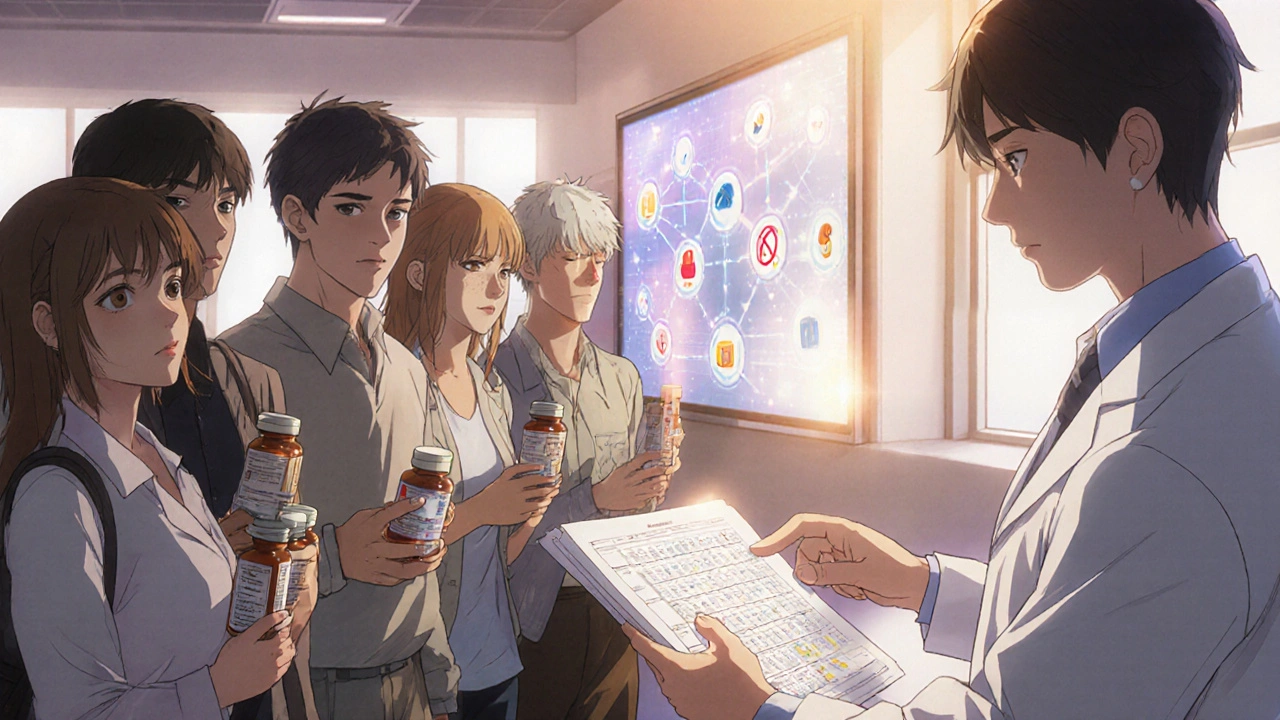
How to Use Your Pharmacy’s Consultation Service for Medication Safety
Learn how to use your pharmacy's free consultation service to catch dangerous drug interactions, reduce side effects, and save money on medications. Pharmacists are your best ally for medication safety.