
Generic Drug Safety: What You Need to Know About Quality, Risks, and Real-World Use
When you pick up a generic drug, a medication that contains the same active ingredient as a brand-name drug but is sold under its chemical name. Also known as generic medications, it is required by the FDA to work the same way in your body as the original—same dose, same strength, same route of administration. But safety? That’s where things get messy. Just because it’s cheaper doesn’t mean it’s risk-free. Thousands of people take generics every day without issue, but hidden problems like inconsistent fillers, poor storage, or outright counterfeits can turn a safe pill into a danger.
One big concern is FDA approval, the process that ensures a generic drug meets strict standards for bioequivalence and manufacturing quality. Not all generics are created equal. Simple ones—like metformin or lisinopril—have been around for decades and are well-tested. But complex generic drugs, those with intricate delivery systems, like extended-release tablets or injectables, face far tougher hurdles. Only a handful have cleared FDA review, even though demand is high. If a generic looks different, tastes weird, or stops working, it might not be a manufacturing flaw—it could be a substandard product slipping through.
Then there’s the risk of counterfeit drugs, fake medications laced with toxic substances like fentanyl, antifreeze, or heavy metals. These don’t just fail to treat your condition—they can kill you. Most come from unregulated online pharmacies or shady overseas suppliers. Even if you buy from a local pharmacy, if the packaging looks off, the pills are oddly shaped, or the price is way too low, question it. Real generics don’t come in bulk without proper labeling.
And let’s not forget drug interactions, how generics can react dangerously with other meds, foods, or supplements. A generic version of a statin might have a different inactive ingredient that affects how your body breaks it down. Citrus fruits like pomelo or Seville orange can mess with metabolism just like grapefruit. Your pharmacist isn’t just handing out pills—they’re your last line of defense against a bad combo.
Storage matters too. Moisture, heat, and light can wreck a generic pill just as easily as a brand-name one. If your bottle didn’t come with a desiccant pack, or if your pills are sticking together or smelling odd, toss them. Your body doesn’t care if it’s generic or not—it only cares if the medicine is still active and safe.
Some people swear by generics. Others avoid them after a bad experience. The truth? Most are perfectly safe. But safety isn’t guaranteed—it’s something you have to watch for. Know your drug. Know your source. Know your body’s reaction. And never assume cheap means harmless.
Below, you’ll find real-world stories, science-backed warnings, and practical tips on how to spot red flags, avoid dangerous interactions, and make sure the pills you take every day are truly doing what they’re supposed to—without putting you at risk.
Feb
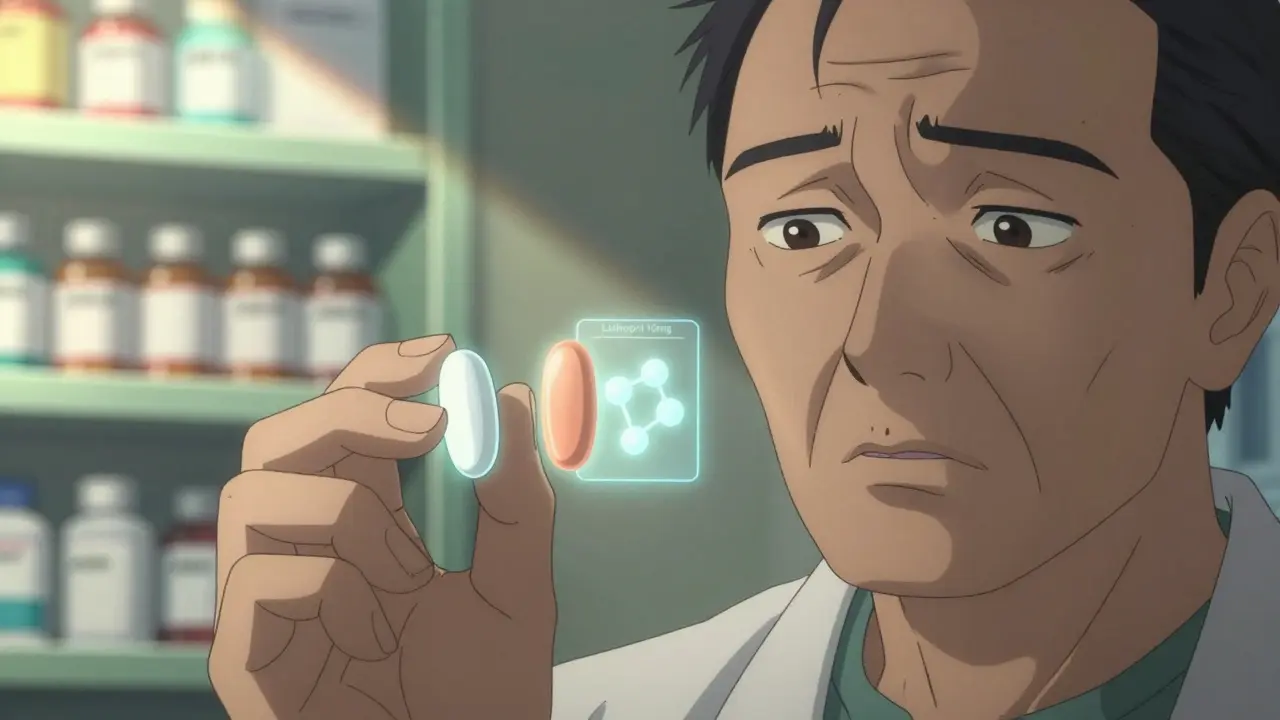
Generic Pill Appearance Changes: What You Need to Know About Safety, Legality, and Patient Impact
Generic pills often change color, shape, or size - even though they contain the same medicine. This can cause confusion, fear, and dangerous dropouts. Learn why it happens, what it means for your health, and how to stay safe.
Dec
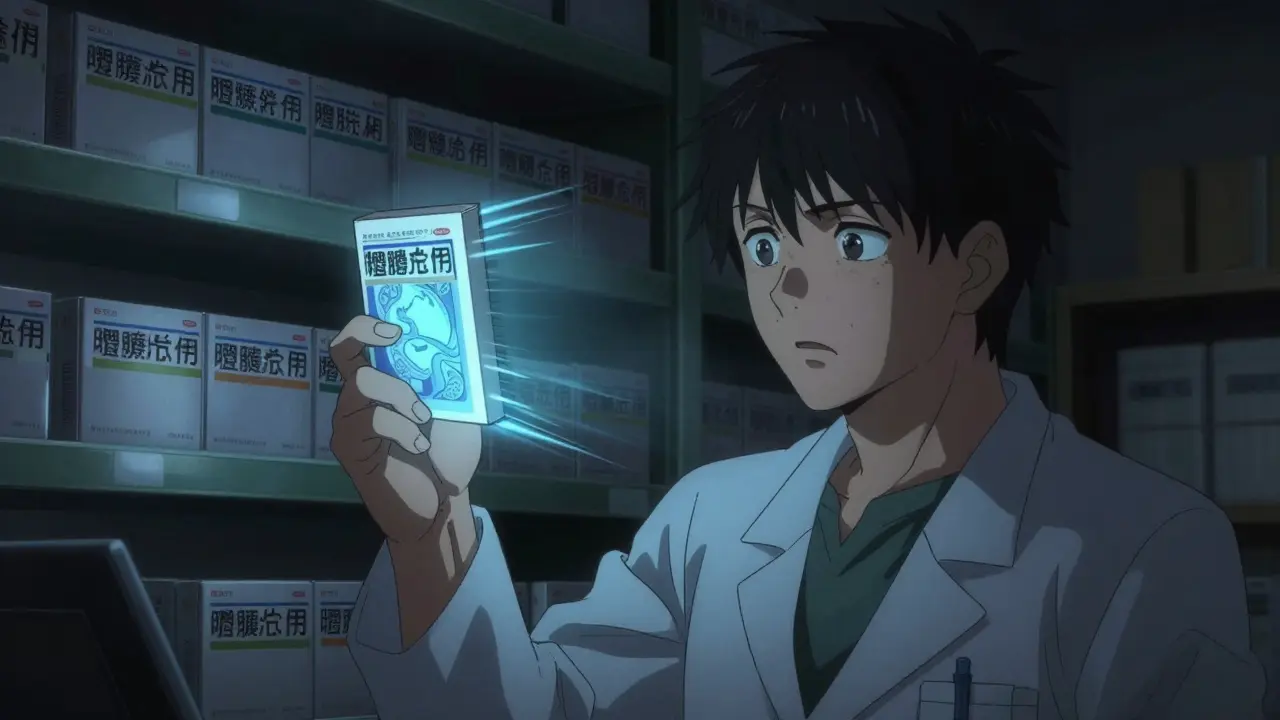
Packaging and Labeling: How to Verify the Authenticity of Generic Medicines
Learn how to verify the authenticity of generic medicines by checking packaging, using UV lights, and understanding spectroscopy tools. Protect yourself and others from counterfeit drugs.
Dec
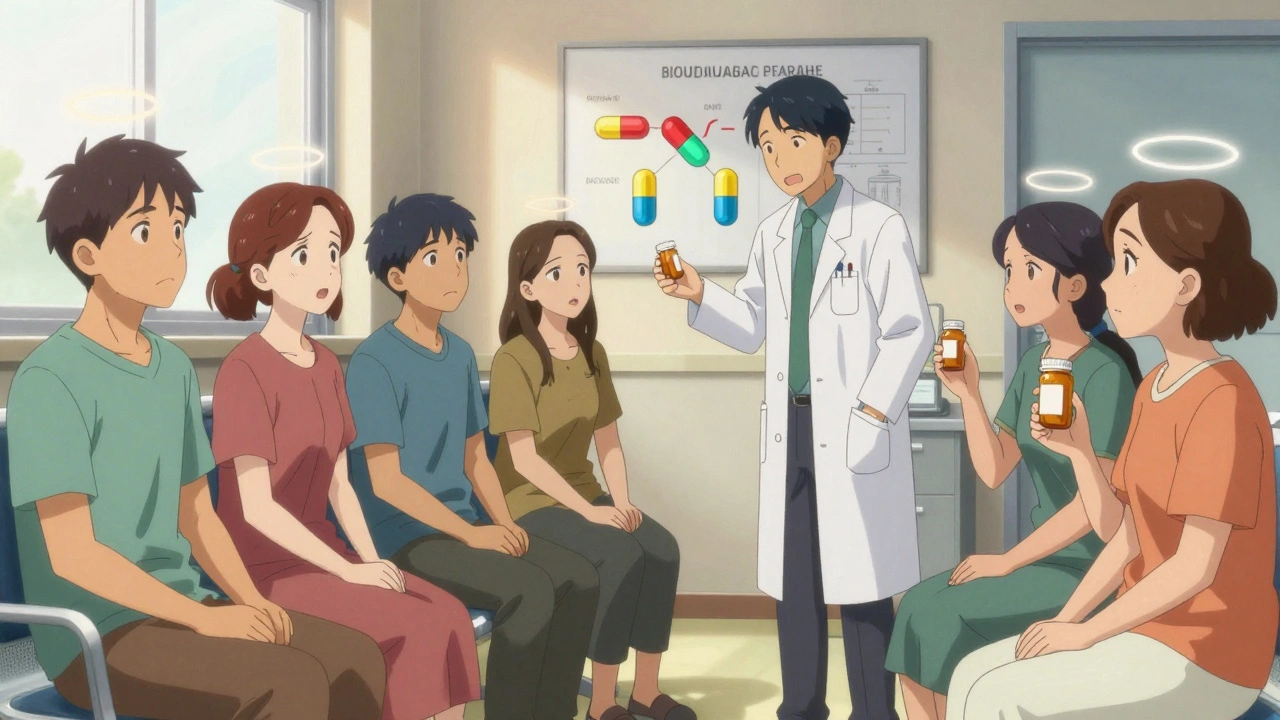
Risk Perception: How Patients Assess Generic Drug Safety
Many patients doubt generic drugs are as safe or effective as brand-name versions, even though science proves they're equivalent. This article explores why, who's most affected, and how to build trust.