
Generic Drugs: What They Are, Why They Work, and What You Need to Know
When you hear generic drugs, lower-cost versions of brand-name medications that contain the same active ingredients, dosages, and intended uses. Also known as generic medications, they are approved by the FDA to work just like the originals—no shortcuts, no compromise. Yet, millions still worry they’re getting less. Why? It’s not because the science says otherwise. It’s because of myths, old habits, and stories passed down like family lore.
The truth is simple: a generic drug must prove it delivers the same amount of active ingredient into your bloodstream at the same speed as the brand name. That’s not guesswork—it’s lab-tested, regulated, and monitored. FDA approval, the rigorous process that ensures generic drugs meet exact standards for safety, strength, and quality doesn’t bend for price. If it doesn’t match, it doesn’t get sold. And yet, brand vs generic, the ongoing comparison between name-brand and off-label versions of the same medicine still fuels doubt. People think, "If it’s cheaper, it must be weaker." But that’s like saying a store-brand battery won’t power your TV. It will—if it’s made right.
Here’s what really matters: generic drug safety, the proven equivalence in effectiveness and side effect profile between generic and brand-name drugs isn’t theoretical. Studies from the FDA, CDC, and independent researchers show identical outcomes for conditions like high blood pressure, diabetes, and depression. Even in complex cases—like epilepsy or heart rhythm drugs—generics perform the same. The only real difference? The price. And that’s huge. Billions are saved every year because of them. But savings mean nothing if you don’t trust them.
Some people avoid generics because of packaging, color, or shape. Others worry about inactive ingredients—fillers, dyes, coatings. Those can cause rare reactions, yes. But so can brand-name versions. The difference? You’re more likely to notice it when it’s a new pill you’ve never taken before. That’s not the drug failing. That’s your body adjusting. And if you’re concerned? Talk to your pharmacist. They can tell you exactly what’s in each pill.
Then there’s the issue of cost-benefit analysis, the evaluation of financial savings versus health outcomes when choosing between generic and brand-name medications. It’s not just about saving money on a prescription. It’s about sticking with your treatment. People who switch to generics are more likely to keep taking their meds—because they can afford them. And that’s the real win. Missing doses because of cost leads to hospital visits, complications, and higher bills down the road. Generics fix that.
Not all generics are created equal, though. Some are simple pills—easy to copy. Others? Complex. Injectable biologics, inhalers, or topical creams? Those are harder to replicate. That’s why only a few complex generics have made it through FDA approval. But that’s changing. Science is catching up. And when it does, more people will get better care without paying more.
You don’t need to guess whether generics are right for you. The data is clear. The safety is proven. The savings are real. What’s left is your comfort—and that’s something you can build. Ask questions. Check labels. Talk to your pharmacist. You’re not just saving money. You’re taking control.
Below, you’ll find real stories, hard data, and practical advice about how generic drugs work in your body, why some people still distrust them, and how to use them safely without risking your health.

Mar
180-Day Exclusivity: How Patent Law Delays Generic Drug Entry
The 180-day exclusivity rule under the Hatch-Waxman Act was meant to speed up generic drug entry, but it often delays competition. Learn how patent challenges, forfeiture rules, and pay-for-delay deals affect drug prices and patient access.
Jan
Paragraph IV Certifications: How Generic Drug Companies Challenge Patents Early
Paragraph IV certifications let generic drug makers challenge brand-name patents before launch. This legal tool under the Hatch-Waxman Act has saved consumers trillions and drives most generic drug entries today.
Jan
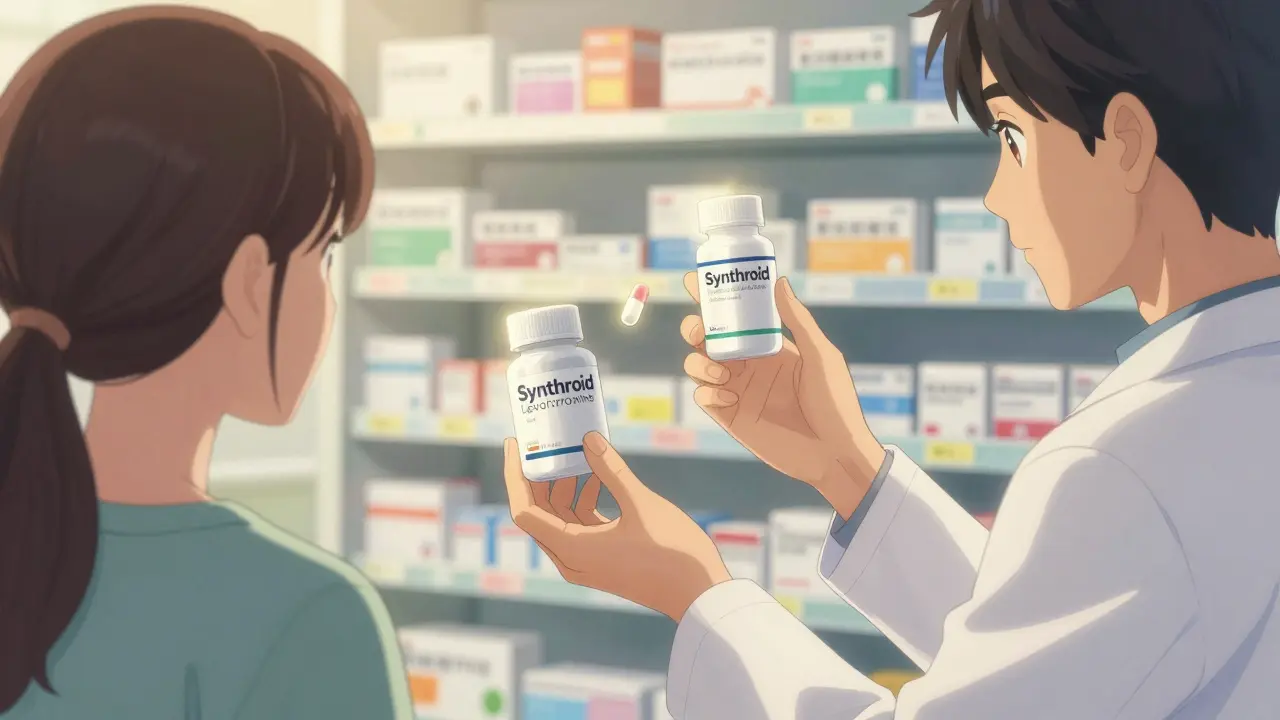
Why Insurers Prefer Generic Drug Lists: How Formularies Control Costs and Shape Your Prescriptions
Insurers use preferred generic lists to cut costs by steering patients toward cheaper, equally effective medications. Learn how formulary tiers work, why generics dominate, and how to save money on prescriptions.
Jan
Authorized Generics List: Which Drugs Offer This Option in 2026
Learn which prescription drugs offer authorized generics in 2026 - exact copies of brand-name meds at lower prices. Find out why they matter for thyroid, blood thinners, asthma, and more.
Dec
How Different Countries Regulate NTI Generics: A Global Comparison
NTI generics require extreme precision in manufacturing and regulation. This article compares how the FDA, EMA, Canada, and Japan handle bioequivalence, pricing, and substitution rules - and why global harmonization is critical for patient safety.