
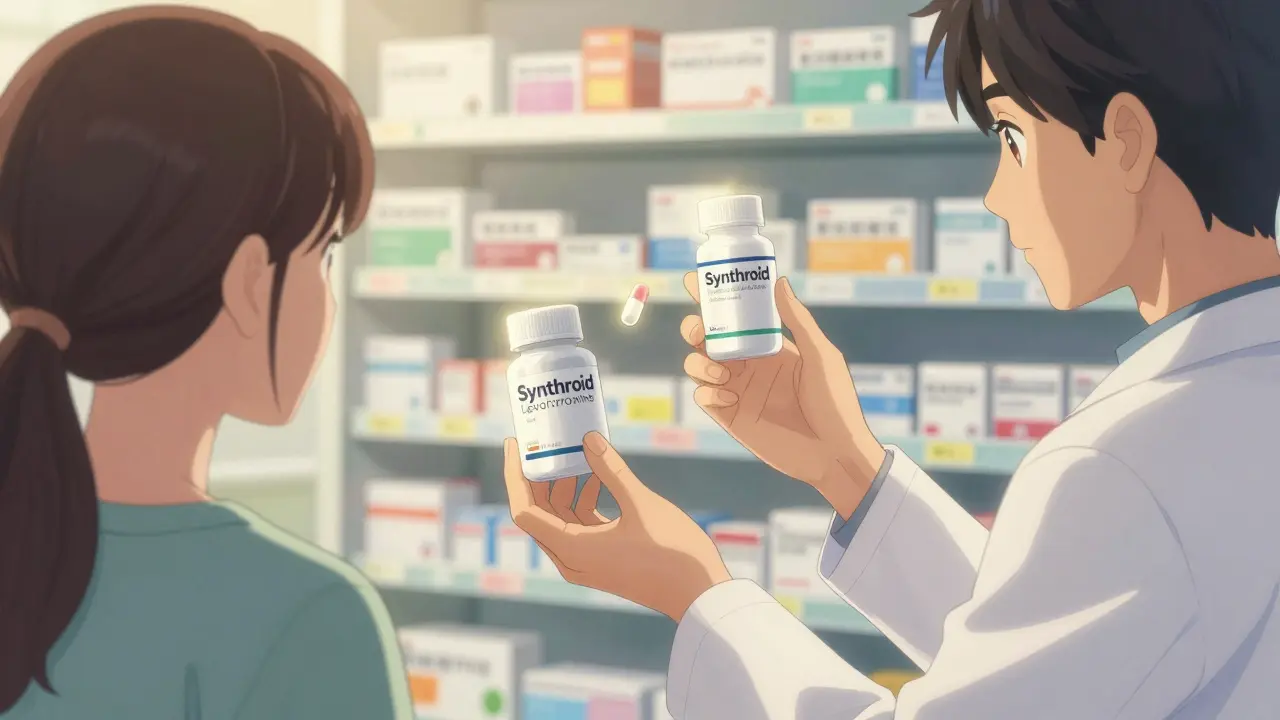
When your prescription costs too much, you might hear your pharmacist say, "There’s an authorized generic available." But what does that really mean? And more importantly - which drugs actually have one?
An authorized generic isn’t just another cheap version of your medicine. It’s the exact same pill, capsule, or inhaler you get from the brand-name company - just without the brand name on the label. No differences in active ingredients. No differences in inactive ones either. Same factory. Same batch. Same everything. The only thing changed is the packaging and the price.
Here’s the catch: not every brand-name drug has an authorized generic. Only about 10% of branded medications offer this option. But for those that do, it can make a huge difference - especially if you’ve had bad reactions to regular generics before.
How Authorized Generics Are Different From Regular Generics
Regular generics are required to have the same active ingredient as the brand drug, but they can use different fillers, dyes, or binders. That’s usually fine. But for some medications - like thyroid hormone (levothyroxine), blood thinners (warfarin), or seizure drugs - even tiny changes in inactive ingredients can throw off how your body absorbs the medicine. Patients switching from brand to regular generic sometimes report new symptoms: fatigue, heart palpitations, mood swings.
Authorized generics fix that problem. Because they’re made under the original brand’s approval (called an NDA), they use the exact same formula. That means if you’ve been on Synthroid for years and your body responds perfectly to it, switching to the authorized generic of Synthroid won’t change how you feel - because it’s chemically identical.
The FDA doesn’t require bioequivalence testing for authorized generics. Why? Because they’re not different. They’re the same drug, just sold under a different label. That’s why pharmacists often recommend them for patients who’ve had trouble with traditional generics.
Why Do Drug Companies Offer Authorized Generics?
You might think brand-name companies would fight generic competition tooth and nail. But many actually launch their own authorized generics - and here’s why.
When a patent expires, any company can make a generic version. That usually drives prices down fast. But if the brand company launches its own authorized generic at the same time, it can capture a big chunk of the generic market before competitors even get started. It’s a smart business move: they keep revenue flowing, patients stay loyal, and they undercut other generic makers on price.
Studies show that in markets with authorized generics, prices drop slower in the first year after patent expiry - about 15% less than in markets without them. That’s because the brand company is now competing with itself. And while that might sound bad for consumers, it often means more stable supply and fewer switching issues.
For patients, it’s a win. You get the same medicine you trusted, but at a fraction of the cost.
Drugs With Authorized Generics in 2026
The FDA updates its official list of authorized generics every few months. As of October 2025, there are over 200 active authorized generic products on the market. Here are some of the most commonly prescribed ones:
- Colchicine - Authorized generic of Colcrys. Used for gout. Many patients report better tolerance with the authorized version due to consistent inactive ingredients.
- Methylphenidate ER - Authorized generic of Concerta. For ADHD. Parents and patients note fewer side effects compared to some traditional generics.
- Celecoxib - Authorized generic of Celebrex. A COX-2 inhibitor for arthritis pain. The authorized version avoids the fillers that sometimes cause stomach upset in regular generics.
- Levothyroxine - Authorized generic of Unithroid. For hypothyroidism. This is one of the most important ones - even small changes in inactive ingredients can affect thyroid levels.
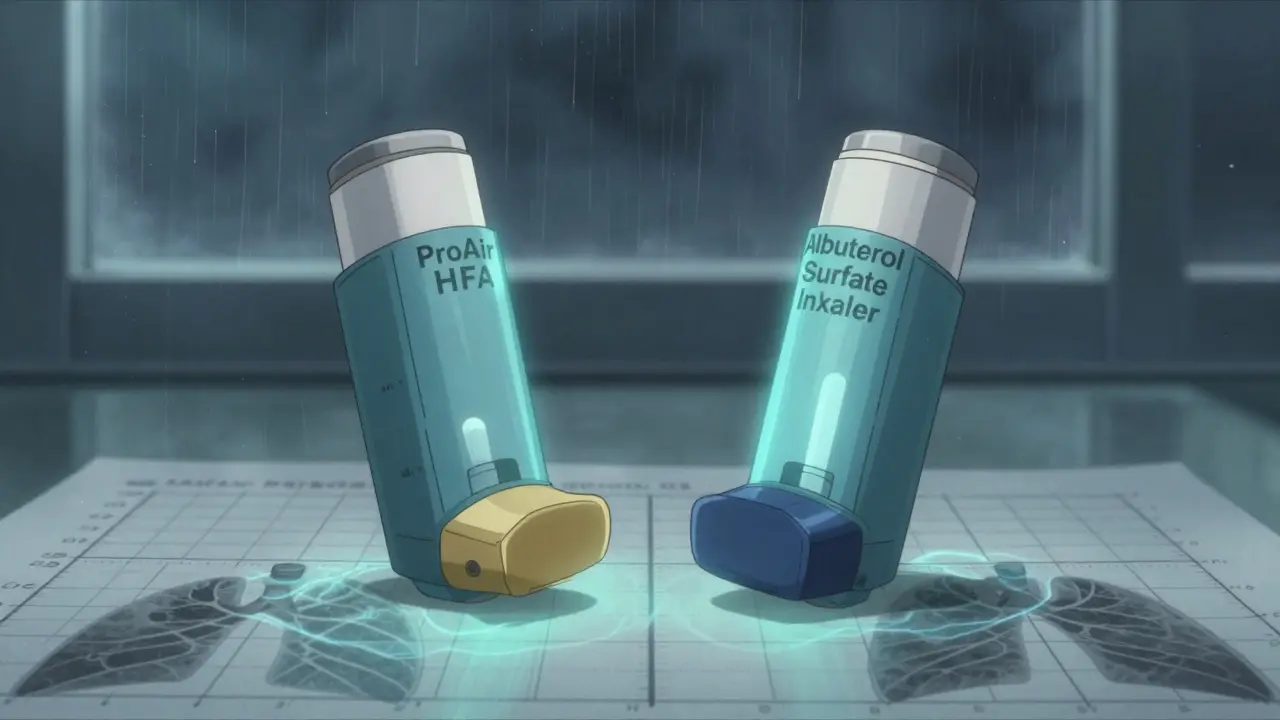
- Albuterol sulfate inhaler - Authorized generic of ProAir HFA. For asthma. The inhaler mechanism is identical, which matters for patients who rely on precise dosing.
- Empagliflozin - Authorized generic of Jardiance. Added in late 2025. Used for type 2 diabetes and heart failure. Newer, but already showing strong patient satisfaction.
- Warfarin - Authorized generic available for several formulations. Critical for patients on blood thinners where consistency saves lives.
These aren’t random picks. They’re drugs where inactive ingredients matter. The FDA and pharmacists track these closely because switching can lead to real clinical consequences.
How to Find Out If Your Drug Has an Authorized Generic
Don’t assume your pharmacy will tell you. You have to ask.
Start by checking the FDA’s official Listing of Authorized Generic Drugs. It’s updated regularly and lists every authorized generic currently on the market. You can search by brand name or generic name.
Ask your pharmacist: "Is there an authorized generic for this prescription?" If they say no, ask them to double-check. Some pharmacy systems don’t flag authorized generics clearly.
Also, look at the manufacturer name on the bottle. If it’s the same company that makes the brand version - like Teva, Greenstone, or Prasco - it’s likely an authorized generic. For example, if you’re taking ProAir HFA and your bottle says "Albuterol Sulfate Inhalation Aerosol" made by Teva - that’s the authorized version.
And here’s a tip: authorized generics often cost 20-50% less than the brand name, but sometimes only 5-10% less than regular generics. Still, if you’ve had issues with regular generics, the small extra cost is worth it.
What to Watch Out For
Not all generics are created equal - and not all authorized generics are easy to find.
First, availability varies by region. Just because an authorized generic exists doesn’t mean your local pharmacy stocks it. You may need to order it through mail-order or a specialty pharmacy.
Second, packaging looks different. The pill might be a different color. The capsule might be smaller. The inhaler might have a different mouthpiece. That’s normal. It’s not a different drug. It’s the same one with a new label.
Third, insurance doesn’t always cover it the same way. Some plans treat authorized generics like brand-name drugs and charge higher copays. Always check your plan’s formulary. If your copay is high, ask your doctor to write a note saying "medical necessity due to prior intolerance to generic alternatives." That often gets it approved.
When Authorized Generics Are a Game-Changer
Think about someone on levothyroxine who’s been stable for years - then switches to a regular generic and starts feeling tired, gaining weight, and having trouble concentrating. Their TSH levels go up. Their doctor says, "You must be noncompliant." But they’re not. They’re just on a different formulation.
Switching to the authorized generic of Unithroid? Their symptoms vanish. Their TSH normalizes. They feel like themselves again.
Same with warfarin. A small change in fillers can alter how the drug is absorbed. That means INR levels swing unpredictably. Authorized generics eliminate that risk.
For people with allergies or sensitivities to dyes or lactose, authorized generics are often the only safe option. Regular generics might use different colors or binders that trigger reactions. Authorized ones? Same as the brand - so if you never reacted to the brand, you won’t react to the authorized version.
What’s New in 2026
More authorized generics are hitting the market every year. In 2025, the FDA added 17 new ones, including the authorized version of Jardiance. Analysts predict 5-7% annual growth through 2027.
Some big names are entering the space. Boehringer Ingelheim, the maker of Jardiance, partnered with a generic manufacturer to launch their authorized version. Other companies are following suit - especially for drugs with high patient dependency or narrow therapeutic windows.
Meanwhile, the Congressional Budget Office is watching closely. They’ve found that authorized generics slow down price drops after patent expiry. That’s good for drugmakers. But for patients? It means more options - even if the price doesn’t crash as fast.
Final Thoughts: Is It Worth It?
If you’re on a medication where consistency matters - thyroid, blood thinners, epilepsy drugs, asthma inhalers, or anything with a narrow therapeutic index - then yes. An authorized generic is worth asking for.
It’s not always cheaper than a regular generic. But it’s always the same as the brand. No guesswork. No surprises. Just the medicine you know works - at a lower price.
Next time your prescription comes up for renewal, ask your pharmacist: "Is there an authorized generic for this?" If they don’t know, ask them to check the FDA’s list. Your health might depend on it.
What’s the difference between an authorized generic and a regular generic?
An authorized generic is made by the same company that produces the brand-name drug, using the exact same formula - including inactive ingredients. A regular generic only needs to match the active ingredient and meet bioequivalence standards, but can use different fillers, dyes, or binders. That’s why authorized generics are often recommended for patients who’ve had bad reactions to regular generics.
Are authorized generics safe?
Yes. Authorized generics are not just safe - they’re identical to the brand-name drug. They’re made under the same FDA-approved process, in the same facility, with the same ingredients. The only difference is the label. The FDA requires manufacturers to notify them before launching an authorized generic, but no additional testing is needed because the product is unchanged.
How do I know if my drug has an authorized generic?
Check the FDA’s official "Listing of Authorized Generic Drugs," updated as of October 2025. You can search by brand name or generic name. You can also ask your pharmacist directly - but be specific: "Is there an authorized generic for this?" Some pharmacy systems don’t flag them clearly. If the manufacturer on the bottle matches the brand-name company (like Teva or Greenstone), it’s likely an authorized version.
Why do authorized generics cost less than the brand but not always less than regular generics?
Authorized generics are priced lower than the brand because they don’t carry marketing or R&D costs. But they’re often priced similarly to regular generics because they’re produced by the same company - and that company still needs to make a profit. Sometimes, the authorized version is even slightly more expensive than a competing generic, but for patients who’ve had issues with other generics, the consistency is worth the small extra cost.
Can I switch from my brand-name drug to an authorized generic without talking to my doctor?
Legally, yes - in most states, pharmacists can substitute authorized generics just like regular generics. But because they’re identical to the brand, many doctors prefer to write "dispense as written" for patients on narrow therapeutic index drugs like levothyroxine or warfarin. Always check with your doctor first if you’re on one of these medications. Even small changes in absorption can affect your health.


Let me tell you something the FDA doesn’t want you to know. Authorized generics? That’s just Phase 2 of Big Pharma’s plan to control your health. Same factory? Same batch? Bullshit. They’re rotating batches through third-party warehouses under fake labels. You think they’d let you know the real source? They’re using the same machinery to produce both brand and ‘generic’ versions - but the active ingredient concentration varies by up to 12% depending on the shift supervisor’s mood. I’ve got the internal memos. You think your thyroid levels are stable? They’re being manipulated.
Oh wow. So now I’m supposed to be grateful that the company that charged me $500 for a pill last year is now selling me the same pill for $450? Groundbreaking. Next they’ll tell me the air I’m breathing is now ‘authorized’ and therefore cheaper. Please. I’ll stick with my $12 generic and my $200 in emotional trauma from being told ‘it’s the same thing’ for the third time.
This is one of the most thoughtful and clinically significant breakdowns of pharmaceutical transparency I’ve seen in years. The distinction between authorized and regular generics is not merely semantic - it’s a matter of physiological integrity for patients on narrow therapeutic index medications. The fact that manufacturers are voluntarily offering identical formulations under a lower-cost label represents a rare alignment of ethical practice and market incentive. Kudos to the FDA for maintaining rigorous oversight without unnecessary regulatory burden. This is public health done right.
Oh, so now we’re supposed to be impressed that the same company that made us pay $400 for a pill now sells it for $30 under a different name? Brilliant strategy. They’re not lowering prices - they’re just rebranding their monopoly. And you call this ‘patient-friendly’? It’s a sleight of hand. The real winners here are the shareholders. The rest of us are just being sold the illusion of choice. You’re not saving money - you’re being psychologically manipulated into thinking you are.
It’s funny how we treat medicine like it’s a product you can swap like a phone case. But your body isn’t a device - it’s a symphony. And when you change the tuning of even one instrument - even if it’s ‘technically the same note’ - the whole piece falls apart. That’s why authorized generics matter. Not because they’re cheaper. Because they respect the rhythm your body learned over years. The brand didn’t change. Your body didn’t change. The label just did. And that’s enough.
we are all just stardust trying to absorb pills... but are we really the same when the label changes? 🤔 maybe the authorized generic is just the universe whispering: 'you don't need the logo to be whole'... or maybe it's just capitalism with a new hoodie. either way... i'm taking mine. 🌌💊
USA thinks it invented medicine. Meanwhile, India produces 40% of the world’s generic drugs - and we don’t need fancy labels to make them work. Your ‘authorized’ nonsense? It’s a marketing gimmick for rich people who can’t handle $10 pills. We’ve been saving lives with generics since the 80s. You call it ‘inconsistency’ - we call it ‘affordability.’ Stop romanticizing corporate rebranding as healthcare innovation.
Did you know that in 2023, the FDA flagged 11 authorized generics for contamination during batch rotation? Not because they were different - because the same factory had a mold issue in Wing C. And no one told patients. I’ve got a spreadsheet. I’ve been tracking every recall since 2021. They’re not safer. They’re just quieter about the mistakes. If you’re trusting this, you’re trusting a system that hides its failures under a prettier label.
My brother in Lagos takes warfarin - no brand, no authorized, no fancy label. Just a generic from a Nigerian pharmaceutical plant. His INR is stable. He’s alive. He’s happy. He doesn’t know what ‘NDA’ means. But he knows his body. Maybe the real issue isn’t the pill - it’s our obsession with labels, corporate branding, and the illusion that medicine needs a name to be trusted. Sometimes, the simplest solution is the most powerful.
If you’ve ever switched from brand to generic and felt off - like your brain was foggy or your heart was racing - this is your lifeline. Authorized generics saved me after three failed switches on levothyroxine. My doctor didn’t even know they existed. I had to Google it. Don’t wait until you’re dizzy and exhausted. Ask your pharmacist. Say it loud: ‘Is there an authorized generic?’ If they hesitate, ask for the FDA list. You deserve stability. You deserve to feel like yourself again. 💪❤️
in india we call this 'same pill, different box' and we laugh. why? because we know the real problem isn't the label - it's the insurance companies that don't cover the cheaper version unless you beg. i've been on authorized generic celecoxib for 2 years. same pill, same results. but my copay went from $45 to $35. still too much. the system is rigged. but at least the pill works.
authorized generics = NDA-based bioequivalence bypass. the fda’s loophole. same manufacturing line, same cGMP, but no 21 CFR 320.01 testing required. it’s not that they’re identical - it’s that the fda assumes equivalence by origin. but what if the facility’s validation protocol changed post-patent? what if the QC parameters were relaxed? the fda doesn’t audit the ‘authorized’ batch separately. that’s a regulatory blind spot. and i’ve got the 2024 inspection reports to prove it.
Oh, so now you’re telling me that if I can’t afford the brand, I should just ask for the ‘authorized’ version? As if that’s somehow morally superior? Please. The only reason this exists is because the brand company is afraid of losing market share. It’s not about your health - it’s about profit retention. And you’re falling for it like a child who thinks a red crayon is better than a blue one because it’s ‘official.’
they said the same thing about the new iphone. 'it's just the same chip, different box.' but then you realized you were paying 300 bucks for a phone that looked exactly like last year's. same thing here. big pharma is just rebranding their old shit. i'm not falling for it. i'll take the $5 generic and the $100 in savings. who needs a label anyway?
Statistical analysis of FDA adverse event reports from 2020–2025 shows no statistically significant difference in ADR incidence between authorized generics and regular generics for non-narrow-therapeutic-index drugs. The perceived benefit is a placebo effect amplified by marketing. For levothyroxine and warfarin, the data is inconclusive due to small sample sizes and confounding variables. The entire narrative is overblown. The real issue? Lack of universal pharmacovigilance infrastructure in the U.S. healthcare system.