
2025/11 Pharmaceutical Insights: Opioid Side Effects, Drug Interactions, and Medication Safety
When it comes to medication safety, the practice of using drugs correctly to avoid harm while maximizing benefit. Also known as drug safety, it’s not just about taking pills as directed—it’s about understanding what happens inside your body when drugs mix, how storage affects potency, and why some side effects aren’t what they seem. In November 2025, our focus was on real, everyday risks that most people overlook: an itchy reaction to morphine that isn’t caused by histamine, heart meds that clash with grapefruit alternatives like pomelo, and OTC nasal sprays that can trap you in a cycle of congestion. These aren’t rare edge cases—they’re common traps.
Drug interactions, when two or more medications affect each other’s behavior in the body. Also known as medication clashes, they’re behind most preventable hospital visits. That’s why we dug into CYP450 enzymes—the body’s main drug-processing system—and showed how statins, antidepressants, and blood thinners compete for attention, often leading to dangerous buildup. We also broke down how citrus fruits like Seville orange and pomelo can be just as risky as grapefruit, and why taking separate generic pills instead of a combo tablet might seem smart but can backfire. And if you’re on heart meds, you need to know which supplements to avoid—some can stop your meds from working or make your heart beat dangerously.
TNF inhibitors, biologic drugs that block a key inflammation protein to treat autoimmune diseases. Also known as biologics, they’re life-changing for people with ankylosing spondylitis or rheumatoid arthritis. But they come with a shadow: cancer risk. We laid out the real data—not fear-mongering, not corporate spin—on how often skin cancer or lymphoma shows up in users, and what screening you actually need before starting. Meanwhile, counterfeit drugs aren’t just fake—they’re laced with fentanyl, antifreeze, and heavy metals. One pill can kill. We showed how to spot red flags and why your pharmacy’s free consultation isn’t just a perk—it’s your best defense.
From moisture ruining your pills to digital apps helping you take meds on time, this month’s collection gives you tools, not just warnings. You’ll learn how to build a real emergency meds kit, why nalbuphine works where Benadryl fails for opioid itching, and how steroid eye drops can silently damage your vision if used too long. No fluff. No guesswork. Just what you need to know to stay safe, save money, and ask the right questions.
Below, you’ll find the full set of articles from November 2025—each one written to answer a real question someone had, a mistake someone made, or a hidden danger someone didn’t see coming. Whether you’re managing a chronic condition, helping an aging parent, or just trying not to get hurt by your own medicine, there’s something here that matters to you.
Nov
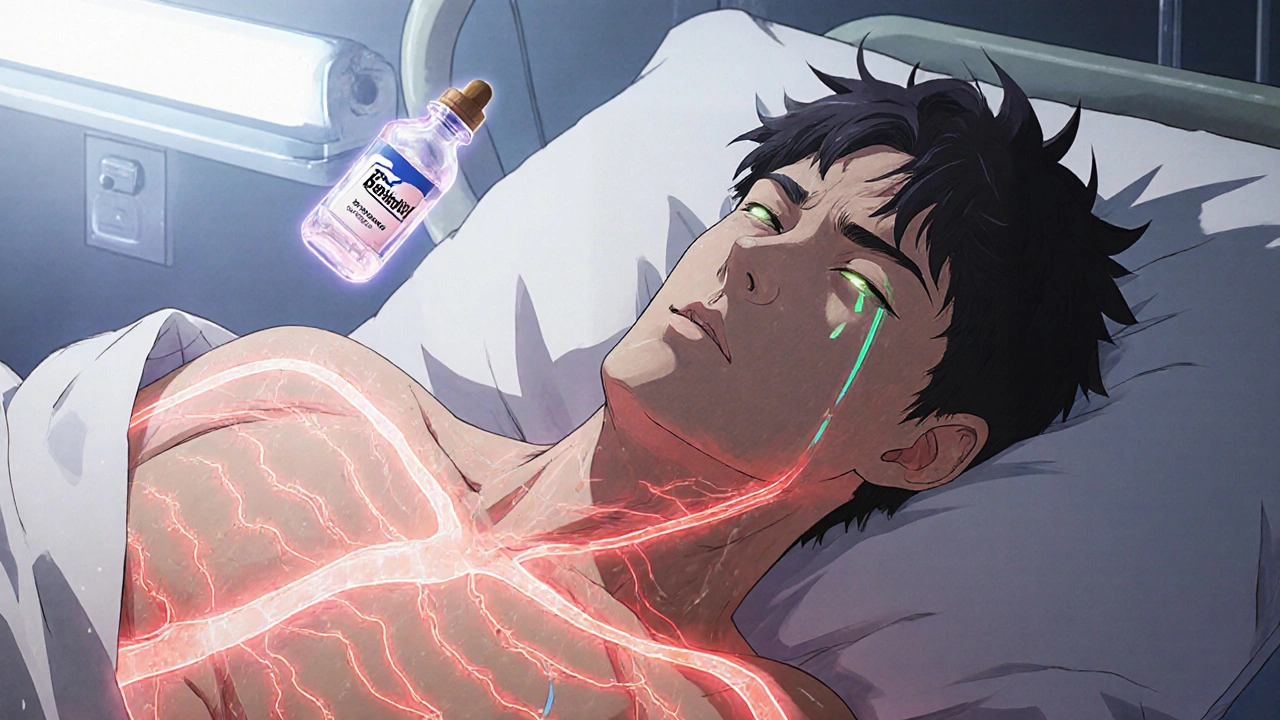
Opioid-Induced Itching: How Histamine and Nerve Pathways Cause It - And What Actually Works
Opioid-induced itching affects up to 100% of patients receiving spinal morphine. Contrary to old beliefs, histamine release isn't the main cause - nerve pathways are. Discover what treatments actually work, why Benadryl often fails, and how nalbuphine is changing the game.

Nov
Steroid Eye Drops: Benefits, Risks, and How to Monitor Them Safely
Steroid eye drops reduce severe eye inflammation but carry risks like glaucoma and cataracts. Learn how to use them safely, recognize warning signs, and monitor for hidden damage before it's too late.

Nov
How to Use Your Pharmacy’s Consultation Service for Medication Safety
Learn how to use your pharmacy's free consultation service to catch dangerous drug interactions, reduce side effects, and save money on medications. Pharmacists are your best ally for medication safety.

Nov
Complex Generic Drugs: Why Some Products Are Harder to Approve
Complex generic drugs face steep scientific and regulatory hurdles that make FDA approval far harder than for simple generics. Learn why only a handful have been approved despite high demand and billion-dollar market potential.

Nov
TNF Inhibitors and Cancer Risk: What You Need to Know About Biologics and Immunosuppression
TNF inhibitors help control autoimmune diseases but raise concerns about cancer risk. This article breaks down the real data on skin cancer, lymphoma, and survival rates - and what you should do before starting treatment.
Nov
Contaminants in Counterfeit Drugs: Hidden Toxins That Can Kill
Counterfeit drugs aren't just ineffective-they're often laced with deadly toxins like fentanyl, heavy metals, and antifreeze. Learn how these hidden contaminants kill and how to protect yourself.
Nov
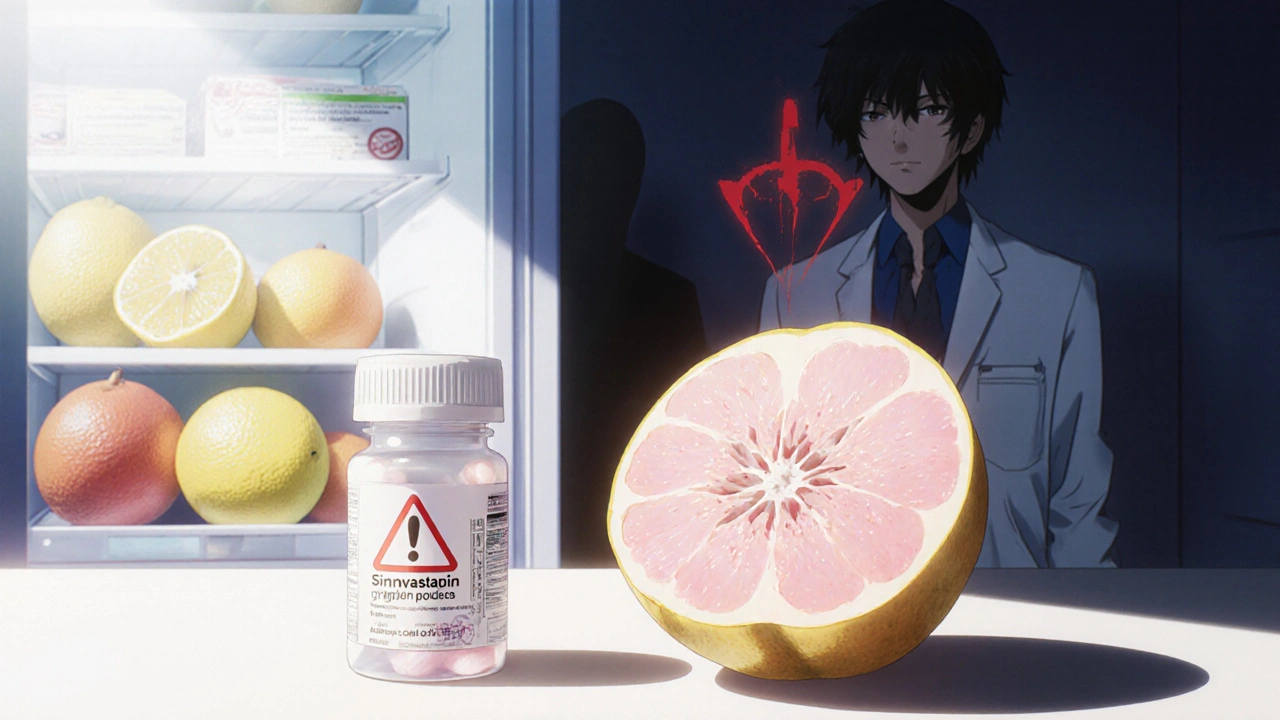
Citrus Fruits Beyond Grapefruit: Pomelo and Seville Orange Effects on Drugs
Pomelo and Seville orange can be just as dangerous as grapefruit when taken with medications like statins and immunosuppressants. Learn how these citrus fruits interfere with drug metabolism and what you need to do to stay safe.
Nov
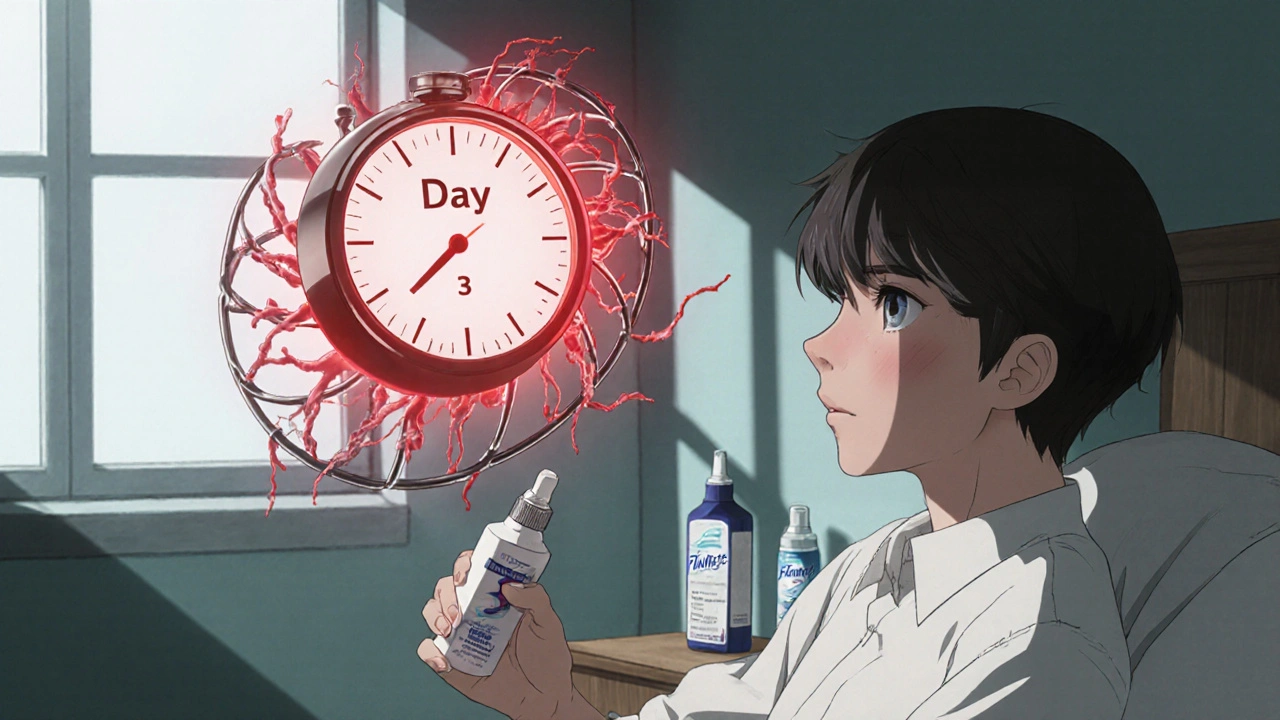
OTC Nasal Sprays: How to Avoid Rebound Congestion and Use Them Safely
Learn how to safely use OTC nasal sprays without triggering rebound congestion. Discover the 3-day rule, safer alternatives like saline and steroid sprays, and how to break the cycle if you're already stuck.
Nov
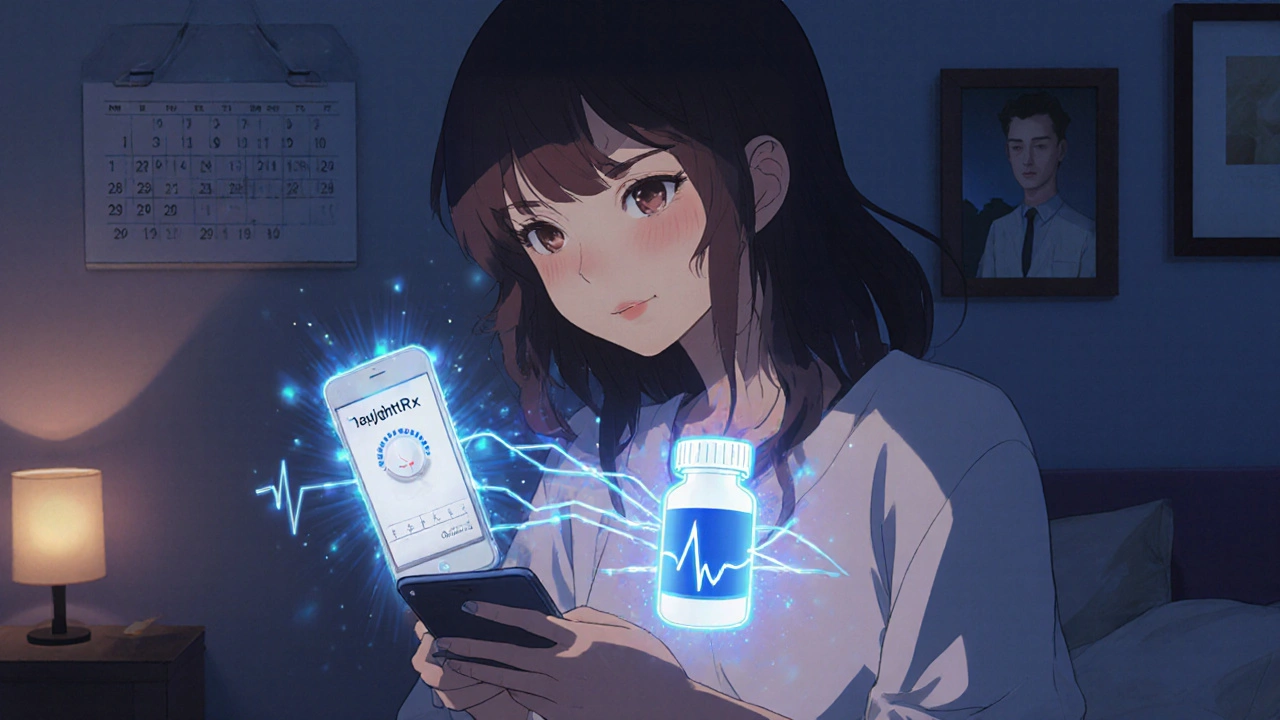
Digital Therapeutics and Medication Interactions: What You Need to Know in 2025
Digital therapeutics are now FDA-cleared treatments that help patients take medications correctly. Learn how they work with drugs, where they fall short, and what you need to know in 2025 to use them safely and effectively.
Nov
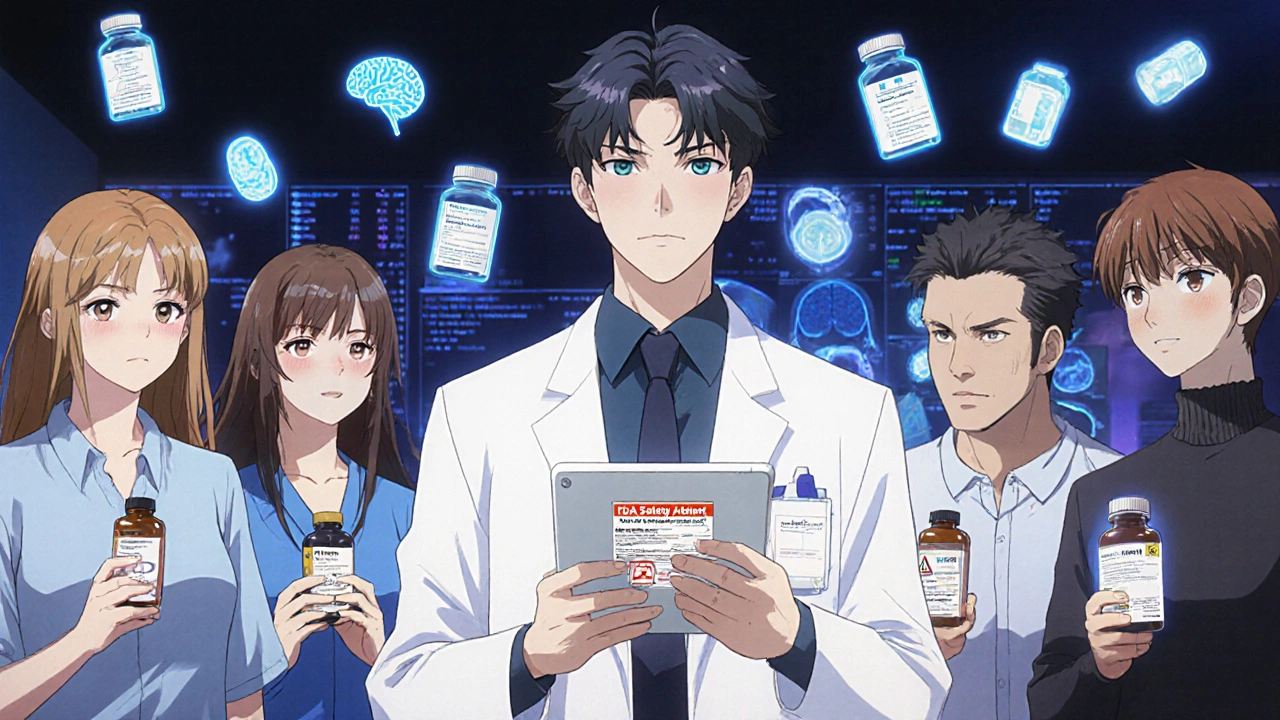
Recent Drug Safety Communications and Medication Recalls: What You Need to Know in 2025
Recent FDA drug safety alerts in 2025 include new opioid risk data, MRI requirements for Alzheimer's drugs, and warnings on ADHD and allergy meds. Know what's changed and what to do next.