
Patient Perception: How Beliefs Shape Medication Use and Outcomes
When you take a pill, your patient perception, how you think and feel about your medication, including its effectiveness, safety, and necessity. Also known as treatment beliefs, it doesn't just affect whether you fill the prescription—it determines if you’ll take it, how you react to side effects, and even if your condition improves. Two people with the same diagnosis, same drug, same dose—yet one sticks with it, the other stops after a week. Why? It’s rarely about the medicine. It’s about what they believe it does, what they fear it might do, and whether they trust the person who told them to take it.
That’s why medication adherence, the extent to which a patient follows prescribed dosing and timing is so unpredictable. A study in the Journal of Clinical Pharmacy and Therapeutics found that nearly half of patients with high blood pressure stop their meds within a year—not because the drugs don’t work, but because they didn’t feel better fast enough, or they heard a friend say the pill made them dizzy. drug side effects, unwanted physical or emotional reactions to medication are often worse in the mind than in the body. Opioid-induced itching? Up to 100% of patients report it, but histamine isn’t the real culprit—it’s the brain interpreting nerve signals as itch. Benadryl fails because it doesn’t touch the nerve pathway. But nalbuphine? It works because it changes how the brain processes the signal. Perception shapes reality here.
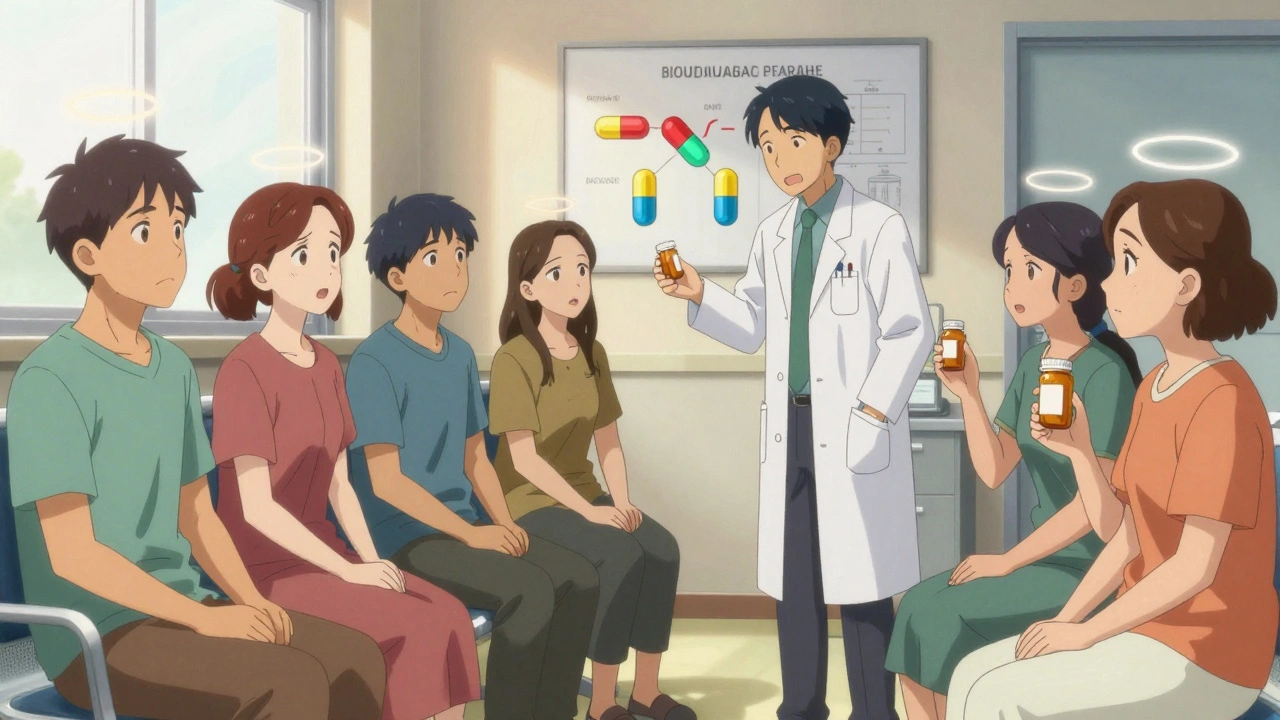
And it’s not just side effects. Steroid eye drops can cause glaucoma—but only if you use them too long. Yet many patients stop using them because they feel fine after a few days, unaware that the real danger is hidden. Same with SSRIs: emotional blunting is common, but patients often quit because they think they’re "not themselves," not because the drug isn’t working. They don’t know it’s a known side effect, not a failure of treatment. That’s where pharmacist advice, professional guidance on medication use, risks, and expectations becomes critical. Pharmacists aren’t just dispensers—they’re perception managers. A simple 5-minute chat about what to expect with GLP-1 nausea can mean the difference between sticking with Ozempic or quitting after week one.
Even something as simple as pill storage matters. If your pills get damp and look weird, you’ll assume they’re ruined—even if they’re perfectly safe. Moisture damage doesn’t just ruin chemistry; it ruins trust. And when trust breaks, so does adherence. Counterfeit drugs? They don’t just lack active ingredients—they carry toxins like fentanyl or antifreeze. But even real drugs feel dangerous if you’ve heard stories. Patient perception turns rumors into reality.
What you’ll find below isn’t just a list of articles—it’s a map of how belief, fear, experience, and misinformation shape every dose you take. From why some people take separate generic pills instead of combo packs, to how digital tools help you stick with meds, to how citrus fruits mess with your blood pressure pills—each post shows how perception drives behavior. And behavior? That’s the real driver of treatment success or failure. You can have the best drug in the world. But if your mind says no, it won’t help you one bit.
Dec
Risk Perception: How Patients Assess Generic Drug Safety
Many patients doubt generic drugs are as safe or effective as brand-name versions, even though science proves they're equivalent. This article explores why, who's most affected, and how to build trust.