
Infection Risk: Understand How Medications, Storage, and Genetics Affect Your Vulnerability
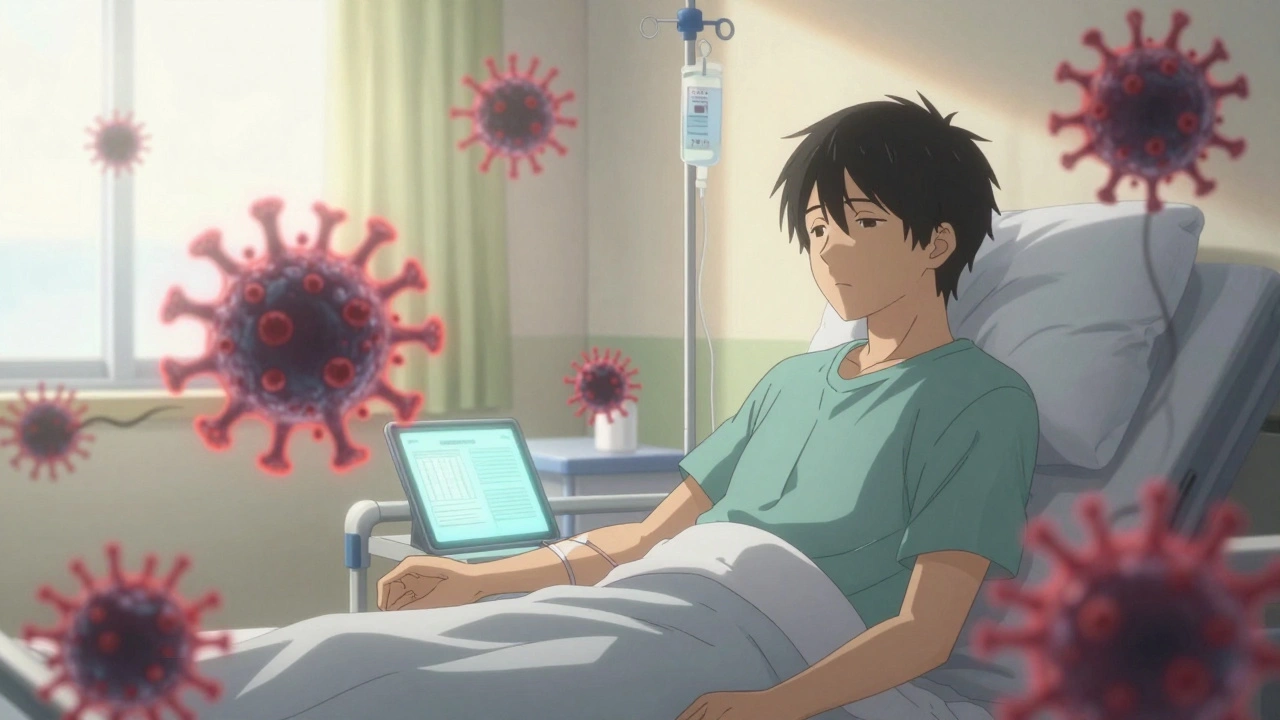
When we talk about infection risk, the chance that your body will get sick from bacteria, viruses, or fungi. Also known as susceptibility to illness, it’s not just about washing your hands or avoiding sick people. Your medications, how you store them, and even your genes play a bigger role than most realize.
Take immunosuppression, when drugs weaken your immune system to treat autoimmune diseases. TNF inhibitors like Humira and Enbrel help with arthritis and spine inflammation, but they also lower your body’s ability to fight off infections. That’s why people on these drugs are warned about TB exposure and skin cancers—they’re not just side effects, they’re direct results of reduced immune defense. Even common meds like proton pump inhibitors, meant for heartburn, can increase your risk of gut infections by changing stomach acid levels. And if you’re on long-term steroid eye drops, you might not realize you’re making your eyes more vulnerable to fungal or bacterial invaders.
Then there’s drug interactions, when two or more medicines interfere with each other’s function. A PPI blocking antifungal absorption? That’s not just a lab finding—it’s a real-world reason someone’s yeast infection won’t clear up. Or citrus fruits like pomelo and grapefruit altering how your body breaks down meds? That’s another hidden path to infection risk. If your immune system is already stretched thin, a single interaction can tip you into illness. And if you’re storing pills in a humid bathroom, moisture can break them down, making them less effective—or worse, toxic. That’s not just poor storage, it’s a silent infection risk.
And don’t overlook your genes. pharmacogenomics, how your DNA affects how you respond to drugs—could mean you metabolize antibiotics slower than others, leaving you exposed longer. Or maybe your body clears anti-rejection drugs too fast, leaving you open to infection after a transplant. This isn’t science fiction. It’s why some people get sick after a simple surgery while others don’t.
You’re not powerless here. Knowing your infection risk means looking beyond the obvious. It’s about asking your pharmacist if your meds make you more vulnerable. It’s about checking where you store your pills. It’s about understanding that a generic drug isn’t just cheaper—it could be the difference between staying healthy or ending up in the hospital. The posts below dig into every angle: from how biologics raise cancer and infection risks, to how humidity ruins your meds, to why your genes might be the missing piece in your treatment plan. This isn’t theory. It’s what keeps people safe—or puts them at risk.
Dec
Immunocompromised Patients and Medication Reactions: What You Need to Know About Special Risks
Immunocompromised patients face higher risks of serious infections from medications meant to treat autoimmune diseases or prevent transplant rejection. Learn how different drugs affect the immune system and what steps can reduce life-threatening complications.