
Histamine Release: What It Is, Why It Matters, and How Medications Affect It
When your body releases histamine, a chemical messenger that triggers inflammation and allergic responses. Also known as a key player in immune reactions, it’s what makes your eyes water, your nose run, or your skin swell during an allergic reaction. This isn’t just about pollen or peanuts—it’s happening inside your body every time you take certain medications, get sick, or even eat something that triggers a reaction. Histamine doesn’t act alone. It’s released by mast cells, immune cells packed with histamine that explode when they sense trouble. These cells are everywhere—your skin, lungs, gut, and even your eyes. When they’re triggered, histamine floods the area, causing swelling, redness, itching, or mucus production. That’s why it’s at the heart of so many drug side effects.
Many of the medications you use daily can either cause histamine release or interfere with how your body handles it. Steroid eye drops, for example, reduce inflammation caused by histamine—but they don’t stop the release itself. That’s why long-term use can mask symptoms while letting underlying triggers grow. OTC nasal sprays like Afrin may give quick relief from histamine-driven congestion, but overuse can make your body rely on them, leading to rebound congestion that feels worse than the original problem. Antibiotics? They don’t directly release histamine, but they wreck your gut bacteria, which can throw off your entire immune balance and make you more sensitive to histamine triggers. Even common blood pressure pills like Enalapril can indirectly affect histamine pathways, sometimes worsening conditions like gout or causing unusual swelling. And then there are the hidden players: citrus fruits like pomelo and Seville orange, which mess with liver enzymes that break down histamine, letting it build up longer than it should.
Understanding histamine release helps you connect the dots between seemingly unrelated symptoms. That itchy rash after starting a new pill? Maybe not an allergy to the drug itself—but a reaction to histamine it stirred up. That sudden stuffiness after eating a grapefruit? Could be your body’s histamine system overloaded because the fruit blocked its cleanup crew. The posts here don’t just list side effects—they show you the real chain of events: how drugs, foods, and your body’s own biology interact. You’ll find practical advice on avoiding triggers, recognizing when histamine is the real culprit, and what to ask your pharmacist when something doesn’t feel right. Whether you’re dealing with chronic allergies, unexpected drug reactions, or just want to know why your body reacts the way it does, this collection gives you the clear, no-fluff facts you need to take control.
Nov
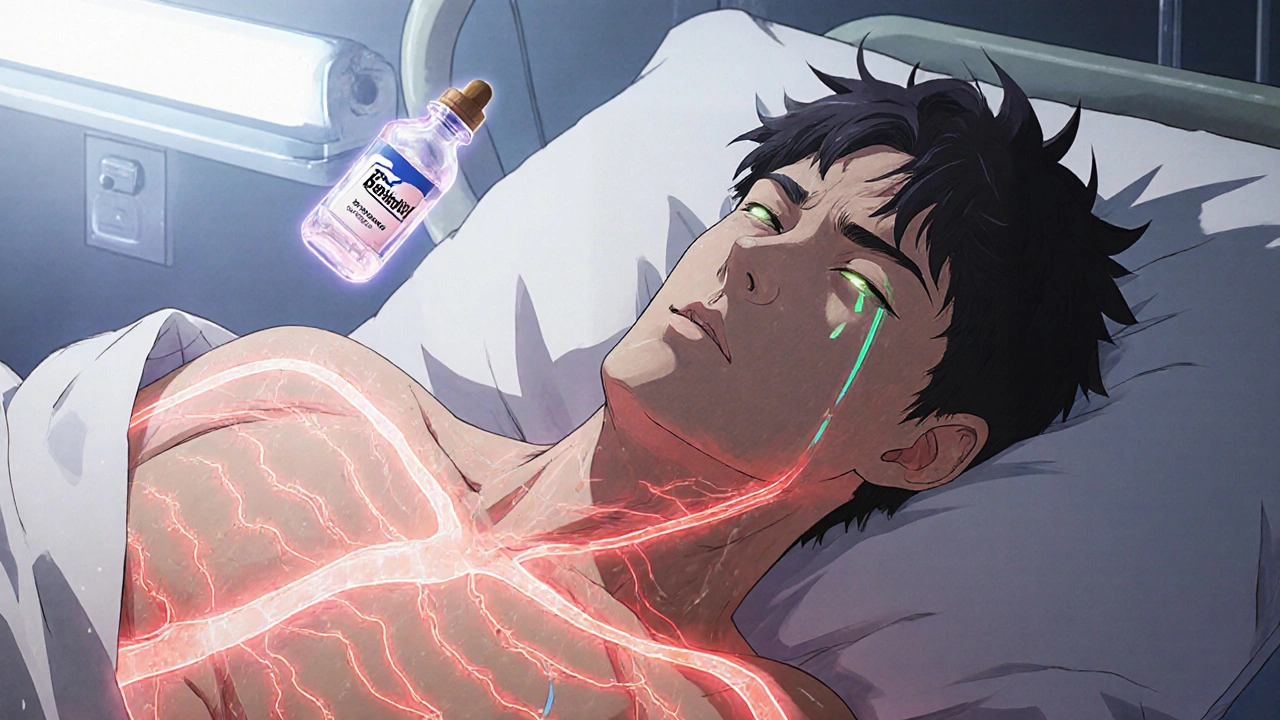
Opioid-Induced Itching: How Histamine and Nerve Pathways Cause It - And What Actually Works
Opioid-induced itching affects up to 100% of patients receiving spinal morphine. Contrary to old beliefs, histamine release isn't the main cause - nerve pathways are. Discover what treatments actually work, why Benadryl often fails, and how nalbuphine is changing the game.