
Narrow Therapeutic Index: Why Some Medications Demand Precision
When a drug has a narrow therapeutic index, a small difference between the dose that works and the dose that causes harm. Also known as a narrow therapeutic range, it means your body can’t tolerate much variation—too little and the treatment fails, too much and you risk serious side effects or even death. This isn’t just a technical detail. It’s a life-or-death margin that affects how doctors prescribe, how pharmacists dispense, and how you take your meds every day.
Drugs with a narrow therapeutic index include blood thinners like warfarin, seizure medicines like phenytoin, heart drugs like digoxin, and immune suppressants like cyclosporine. These aren’t random choices—they’re powerful, finely tuned tools. Even small changes in how your body absorbs or breaks them down can push you out of the safe zone. That’s why regular blood tests are often required. It’s not because you’re doing something wrong—it’s because the medicine leaves almost no room for error. And it’s not just about dosage. Things like diet, other medications, liver function, and even genetic differences can shift your therapeutic window. For example, grapefruit juice can spike levels of cyclosporine, while certain antibiotics can make warfarin dangerously strong. These aren’t rare cases. They’re predictable risks that demand attention.
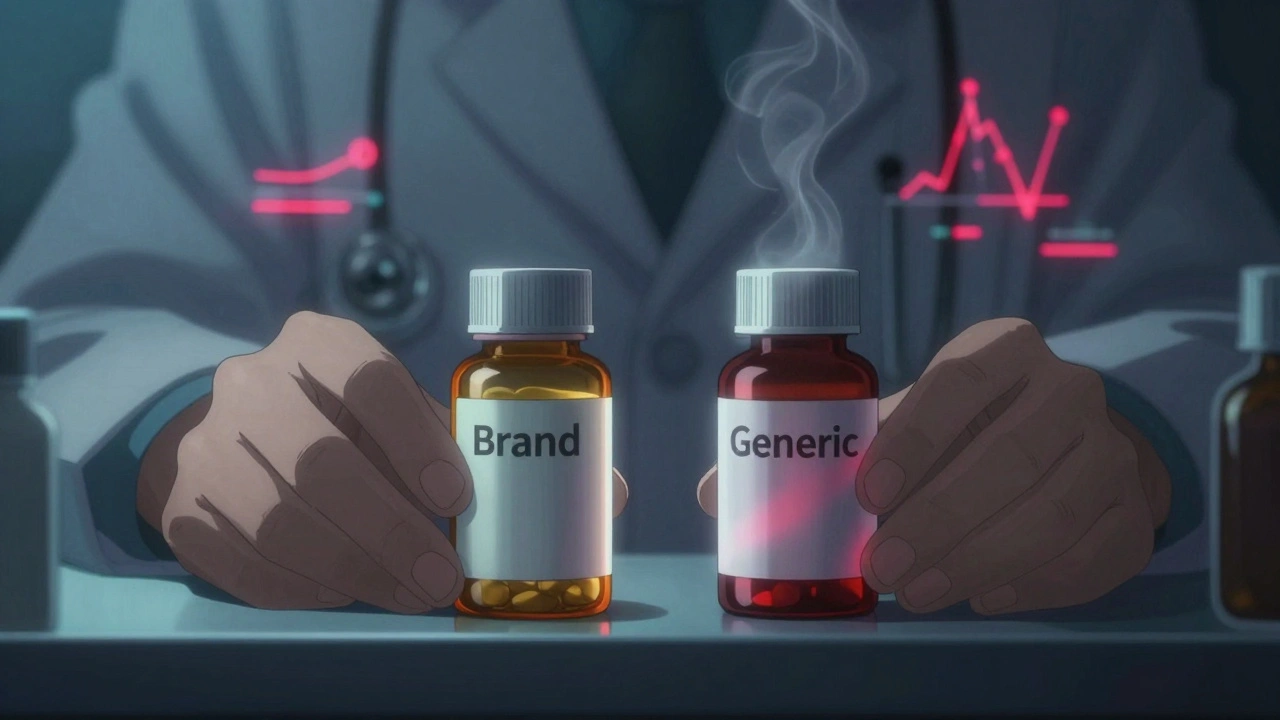
That’s why bioequivalence, how closely a generic drug matches the original in how it’s absorbed and used by the body matters so much for these drugs. Not all generics are created equal when it comes to a narrow therapeutic index. The FDA requires strict testing, but even tiny differences in formulation can matter. That’s why some patients are told to stick with one brand or generic version—switching might seem like a cost-saving move, but it could trigger a dangerous reaction. And while medication errors, mistakes in dosing, timing, or drug selection happen more often than you’d think, many are preventable with simple habits: using a pill organizer, keeping a written list of all your meds, and asking your pharmacist to review everything at least once a year.
You don’t need to be a doctor to manage these drugs safely—you just need to be informed. The posts below show real cases where precision made the difference: how warfarin interacts with diet, why digoxin levels must be checked monthly, how switching generics for epilepsy meds led to seizures, and why even a small change in kidney function can turn a safe dose into a toxic one. These aren’t theoretical risks. They’re lived experiences. What you’ll find here are practical steps to avoid harm, questions to ask your care team, and the hidden details most people never realize matter—until it’s too late.

Dec
How to Track Medication Effectiveness After a Generic Switch
After switching to a generic medication, track symptoms, lab results, and refill patterns to spot problems early. Some generics work fine, but for narrow therapeutic index drugs, even small differences can cause serious side effects or treatment failure.
Dec
How Different Countries Regulate NTI Generics: A Global Comparison
NTI generics require extreme precision in manufacturing and regulation. This article compares how the FDA, EMA, Canada, and Japan handle bioequivalence, pricing, and substitution rules - and why global harmonization is critical for patient safety.