
Morphine Pruritus: Why It Happens and How to Manage It
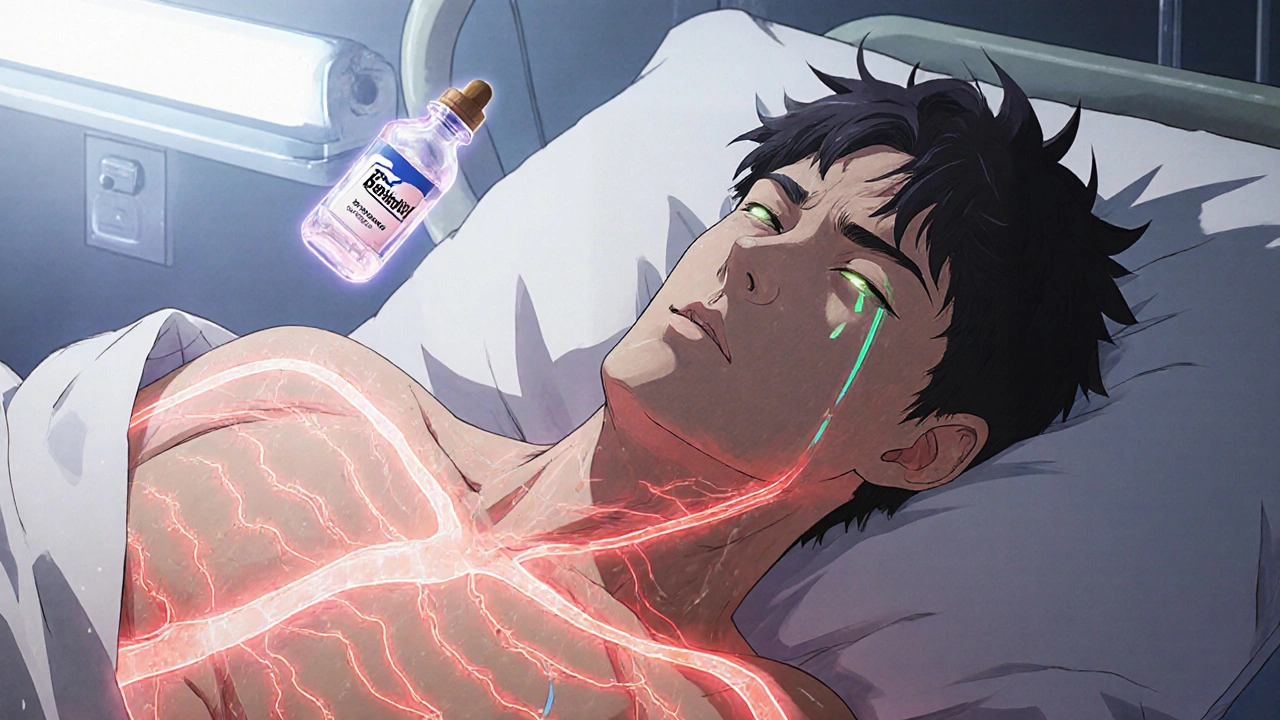
When you take morphine, a powerful opioid painkiller used for severe acute or chronic pain. Also known as morphine sulfate, it works by binding to receptors in your brain and spinal cord to block pain signals. But for many people, that relief comes with an unwanted side effect: intense, uncontrollable itching—known as morphine pruritus, a histamine-independent itch triggered directly by opioid binding in the spinal cord. Unlike allergic rashes, this isn’t a skin reaction. It’s a neurological glitch. And it’s more common than you think—up to 80% of people on IV morphine report it, especially after surgery or cancer treatment.
This itching isn’t caused by histamine, so antihistamines like Benadryl often don’t help. Instead, it’s linked to how morphine activates specific receptors in the spinal cord, particularly the mu-opioid receptor, which then triggers itch pathways. Some people get it only on their nose or face, others feel it all over. It can be so bad that patients refuse to take morphine—even when they’re in severe pain. The good news? There are proven ways to manage it without switching pain meds. antipruritic treatments, medications or methods designed to stop opioid-induced itching without reducing pain relief like low-dose naloxone, ondansetron, or even small doses of nalbuphine can block the itch signal while leaving pain control intact. Even simple changes—like avoiding hot showers, wearing loose cotton clothes, or using cool compresses—can reduce the urge to scratch.
What’s tricky is that morphine pruritus often gets misdiagnosed. Doctors might assume it’s an allergy and switch to another opioid, but many opioids—like codeine or hydromorphone—can cause the same issue. That’s why understanding the root cause matters. If you’re on morphine and itching, don’t just tolerate it. Talk to your pharmacist or doctor about targeted solutions. You don’t have to choose between pain relief and comfort. The posts below cover real-world strategies used in hospitals and clinics: how nurses manage it in recovery rooms, what drugs actually work (and which ones don’t), and how to spot when itching might signal something more serious. You’ll also find tips on combining treatments safely, what to ask your provider, and how to avoid the trap of over-the-counter remedies that make it worse. This isn’t about guessing. It’s about knowing what works—and why.
Nov
Opioid-Induced Itching: How Histamine and Nerve Pathways Cause It - And What Actually Works
Opioid-induced itching affects up to 100% of patients receiving spinal morphine. Contrary to old beliefs, histamine release isn't the main cause - nerve pathways are. Discover what treatments actually work, why Benadryl often fails, and how nalbuphine is changing the game.