
Medication Management: How to Stay Safe, Save Money, and Avoid Dangerous Interactions
When you're managing multiple medications, you're not just following a list—you're navigating a hidden web of risks. Medication management, the practice of using drugs safely and effectively over time, including tracking doses, spotting interactions, and adjusting based on side effects. Also known as drug therapy management, it’s what keeps you out of the ER and your wallet full. It’s not about remembering to take your pills—it’s about knowing why that pill might make another one useless, or even dangerous.
Take drug interactions, when two or more medications affect each other’s absorption, metabolism, or effect in the body. They’re not rare. One post shows how proton pump inhibitors can make antifungals like itraconazole fail completely. Another reveals that grapefruit isn’t the only citrus that messes with your meds—pomelo and Seville orange can do the same. Even something as simple as storing your pills in a humid bathroom can ruin them before the expiration date. And if you’re on heart meds, combining them with certain supplements or even common painkillers could trigger a life-threatening rhythm problem called Torsades de Pointes.
Generic medications, lower-cost versions of brand-name drugs that meet the same FDA standards for safety and effectiveness save billions every year—but many people still doubt they work. That’s not just misinformation; it’s dangerous. If you skip your generic blood pressure pill because you think it’s "weaker," you’re risking a stroke. Meanwhile, some complex generics are so hard to copy that only a handful have been approved, even though they’re needed by millions. And here’s the twist: some patients intentionally take two separate generics instead of one combo pill to save money—but that’s a gamble. One missed dose, and your treatment falls apart.
You’re not alone in this. Your pharmacist, a licensed health professional trained to review your entire medication list for risks, redundancies, and savings is your best hidden ally. Most people don’t know pharmacies offer free consultations. That’s where you catch a dangerous combo before it hits you—like an opioid causing itching because of nerve pathways, not histamine, so Benadryl won’t help. Or realizing your asthma biologic might be the answer when inhalers fail. Pharmacists don’t just hand out pills—they spot risks, suggest cheaper alternatives, and even help you build an emergency go-bag with 14 days of meds, not seven.
Medication management isn’t about perfection. It’s about awareness. It’s knowing that heat can kill your insulin before the bottle says so. That taking aspirin might trigger severe asthma if you have Samter’s Triad. That your genes might make you respond poorly to certain antidepressants—so testing your CYP2D6 could change your life. It’s about understanding that a drug recall isn’t just a headline—it could be your next bottle.
What follows isn’t a list of random articles. It’s a practical guide built from real cases: how people avoided hospital stays, saved hundreds on prescriptions, and stopped side effects they thought were normal. You’ll find out why some medications fail not because they’re broken—but because you’re storing them wrong, taking them with the wrong food, or skipping a simple check-in with your pharmacist. These aren’t theories. These are fixes people used yesterday.
Dec
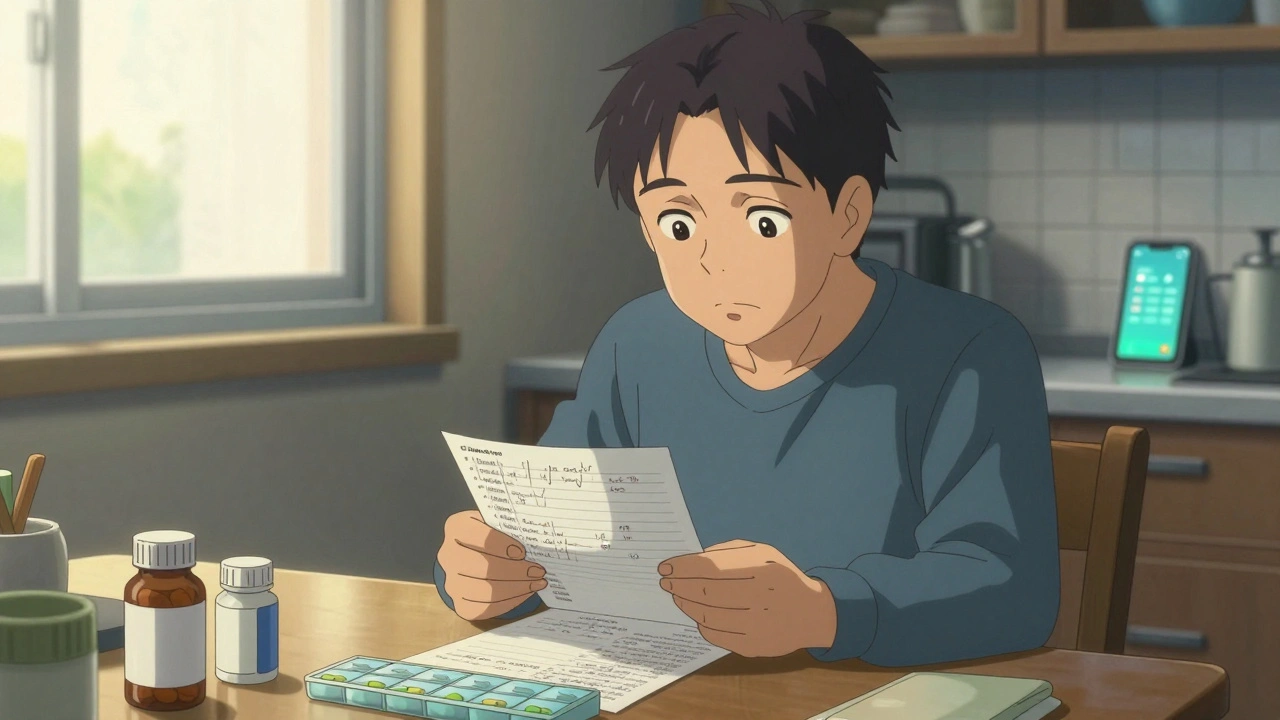
How to Build a Personal Medication Safety Plan with Your Care Team
Build a personal medication safety plan with your care team to prevent dangerous drug interactions, reduce side effects, and avoid hospital visits. Start with a full list of all medications, store them safely, use a pill organizer, and check in regularly.