
Medication Expiration: What Really Happens When Pills Go Bad
When you see an expiration date, the date a manufacturer guarantees a drug will remain fully potent and safe under proper storage conditions. Also known as use-by date, it’s not a magic kill switch — but ignoring it can be risky. Most pills don’t suddenly turn toxic after that date. Instead, they slowly lose strength. The FDA says many drugs stay effective years past expiration — but that doesn’t mean you should take them. Why? Because storage matters more than the date on the bottle.
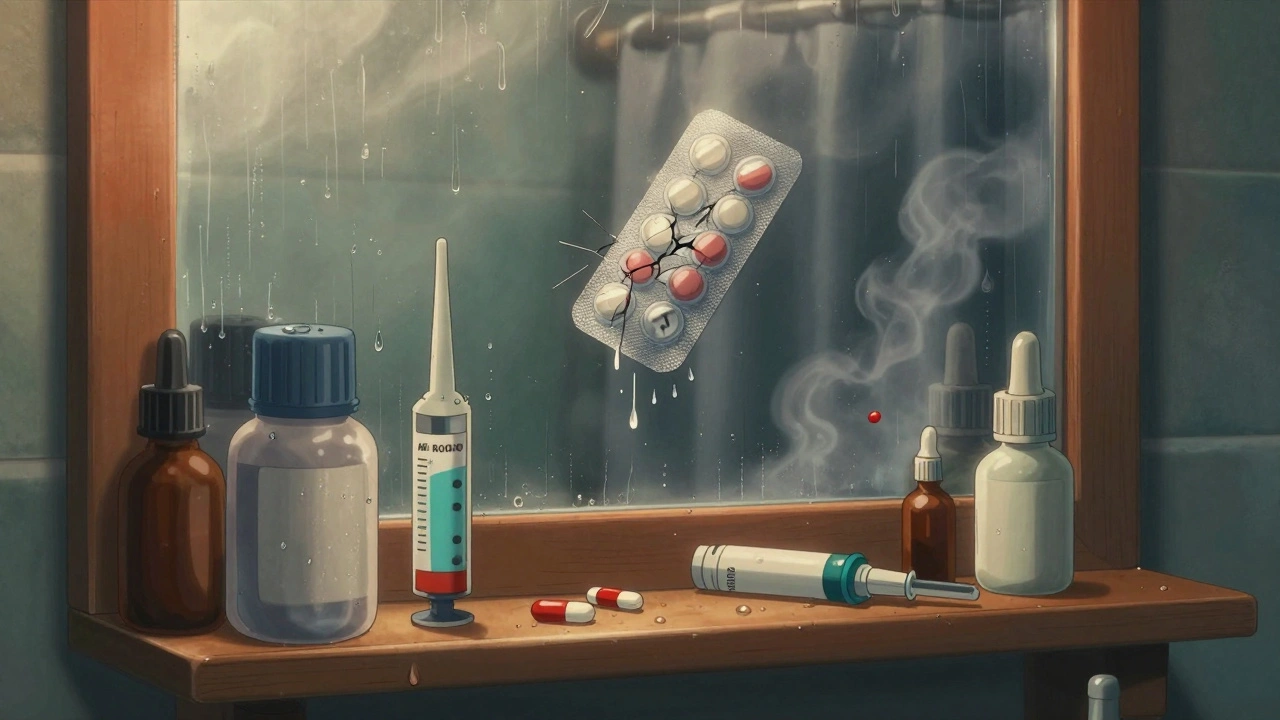
Moisture, water exposure that degrades active ingredients and can cause pills to break down or grow mold is the real enemy. A bottle left in a humid bathroom? That’s worse than a pill that expired six months ago. Heat and light do the same. A bottle of antibiotics sitting on a windowsill might be useless before its expiration date. And then there’s pharmaceutical stability, how well a drug maintains its chemical structure over time under specific conditions. Some meds — like insulin, nitroglycerin, or liquid antibiotics — break down fast. Others, like aspirin or ibuprofen, hold up surprisingly well. But you can’t tell just by looking. A tablet might look fine but have lost 20% of its power. For chronic conditions like high blood pressure or seizures, that drop could be dangerous.
Counterfeit drugs make this even trickier. Fake pills often have no expiration date at all, or they’re printed on cheap paper that fades. If you bought meds online or from a street vendor, assume they’re unsafe — even if they look real. Real drugmakers test stability for years. You don’t have that data. And if you’re storing meds in a drawer with your vitamins, makeup, or snacks? You’re exposing them to moisture, temperature swings, and contamination. Desiccants, small packets inside medicine bottles that absorb moisture help — but only if you don’t throw them away. Keep them in the bottle. Don’t transfer pills to pill organizers for long-term storage. Those aren’t sealed. They’re designed for short trips, not months of use.
So what should you do? Check the label. If it says "store at room temperature," keep it away from the sink, stove, and sun. Use the original bottle. Don’t mix old and new pills. If a pill smells weird, looks crumbly, or changed color — toss it. And if you’re unsure? Take it to your pharmacy. They’ll dispose of it safely. You don’t need to risk your health because you didn’t want to throw away a $5 bottle. Your body doesn’t care about the cost. It cares about whether the dose is right. And when a drug loses potency, it’s not just less effective — it might leave you vulnerable to worsening illness, infection, or even a medical emergency.
Below, you’ll find real stories and science-backed facts about what happens to your meds over time, how to store them right, and which ones you should never risk using past their date. No fluff. Just what you need to know to stay safe.
Dec
How Humidity and Heat Speed Up Medication Expiration
Heat and humidity can make your medications lose potency before their expiration date. Learn which drugs are most at risk, where to store them safely, and how to spot damage that could harm your health.