
Generic Drug Misconceptions: What You Really Need to Know
When people hear generic drug misconceptions, false beliefs about off-brand medications that lead people to avoid them despite being just as safe and effective as brand names. Also known as generic medication myths, these ideas often come from ads, word-of-mouth, or confusion over packaging. The truth? Most generic drugs are identical to their brand-name cousins in active ingredients, strength, and how they work in your body. The FDA requires them to meet the same strict standards — and yet, many still think generics are "cheap" or "weaker."
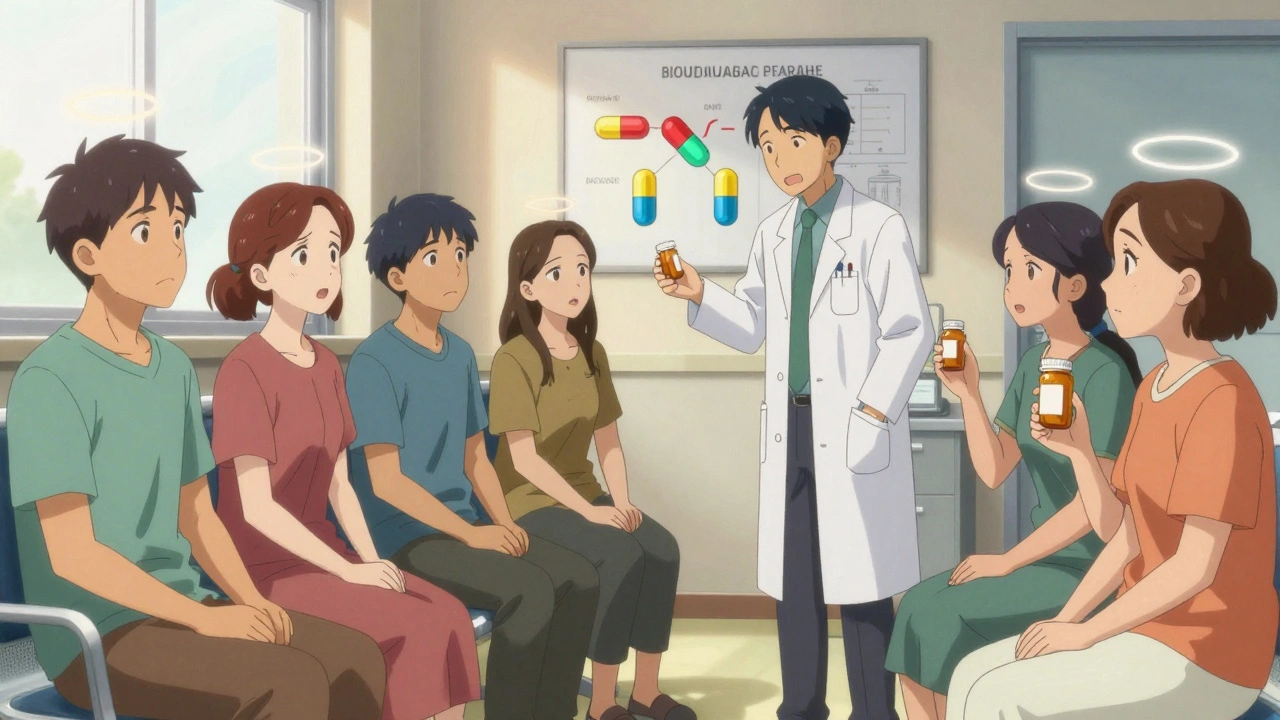
One big myth is that generic medications, pharmaceutical products that contain the same active ingredient as brand-name drugs but are sold under their chemical name after the patent expires. Also known as off-brand drugs, they are regulated under the same rules as name-brand products are made in worse factories. That’s not true. The same companies often make both versions — sometimes even in the same plant. The difference? Brand names spend millions on marketing. Generics don’t. That’s why they cost less. Another myth is that generics take longer to work. They don’t. The FDA demands they be bioequivalence, the measure that proves a generic drug performs the same way in the body as the brand-name version, with the same absorption rate and effectiveness. Also known as therapeutic equivalence, this is non-negotiable for approval. If a generic doesn’t match the original within tight limits, it gets rejected. Thousands of generics are approved every year — and most work just as well.
Then there’s the cost fear. People assume lower price means lower quality. But here’s the real issue: brand names charge what they can because they have a monopoly. Once the patent runs out, generics enter the market and prices drop — sometimes by 80%. That’s not because the drug changed. It’s because competition kicked in. And if you’ve ever been told your doctor prescribed a brand name because "it’s better," ask why. Most of the time, it’s habit, not science. The FDA approval, the official process by which the U.S. Food and Drug Administration evaluates and authorizes generic drugs for sale based on strict safety, strength, and performance standards. Also known as ANDA pathway, this system ensures generics are just as reliable as the originals process isn’t a shortcut. It’s a science-based gate. Complex generics — like injectables or inhalers — take years to approve because they’re harder to copy. But simple pills? They’re held to the same bar.
So why do these myths stick? Because change is uncomfortable. We trust what we know. But if your blood pressure med, your antibiotic, or your antidepressant is a generic, you’re not taking a risk — you’re making a smart choice. You’re getting the same medicine, at a fraction of the cost, with the same safety record. The only real difference? Your wallet. And if you’ve been avoiding generics out of fear, you’ve been paying more than you should — for nothing.
Below, you’ll find real stories, real data, and real fixes for the biggest misunderstandings about generic drugs. From why some generics look different to how the FDA catches bad batches, we’ve pulled together the clearest, most practical info to help you stop worrying and start saving — without compromising your health.
Dec
Risk Perception: How Patients Assess Generic Drug Safety
Many patients doubt generic drugs are as safe or effective as brand-name versions, even though science proves they're equivalent. This article explores why, who's most affected, and how to build trust.