
FDA: What It Does, Why It Matters for Your Medications
When you pick up a pill, patch, or injection, the FDA, the U.S. agency that evaluates and approves all prescription and over-the-counter drugs before they hit the market. Also known as the Food and Drug Administration, it’s the gatekeeper between a drug’s lab results and your medicine cabinet. Without the FDA, you’d have no way to know if a pill actually works—or if it’s laced with something dangerous. This isn’t bureaucracy for the sake of paperwork. It’s the reason your aspirin doesn’t contain fentanyl, your insulin isn’t expired because of bad storage, and your new asthma biologic actually has data backing its safety.
The FDA, the U.S. agency that evaluates and approves all prescription and over-the-counter drugs before they hit the market. Also known as the Food and Drug Administration, it’s the gatekeeper between a drug’s lab results and your medicine cabinet. doesn’t just say yes or no. It digs into how a drug behaves in your body—how it’s absorbed, how long it lasts, and whether it clashes with other meds you’re taking. That’s why complex generics like extended-release versions or injectables take years to get approved. They don’t just need to contain the same active ingredient as the brand name; they need to behave the same way in your bloodstream. And when it comes to drug interactions, when two or more medications affect each other’s strength, timing, or safety in your body, the FDA tracks reports from doctors and patients to issue warnings. Think of it like a real-time alarm system: when too many people report nausea from mixing a heart drug with grapefruit, the FDA updates the label. That’s not luck. That’s data.
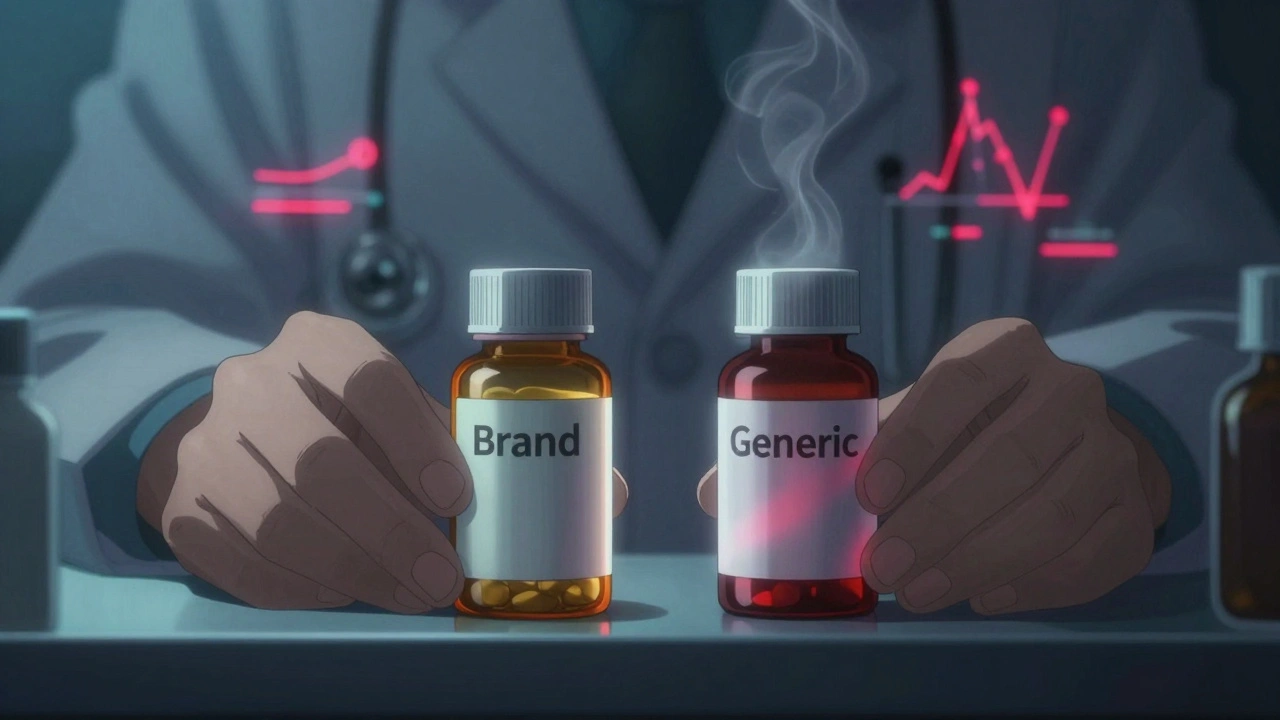
And then there’s the generic medications, pharmaceutical copies of brand-name drugs that must meet the same strict standards for safety, strength, and quality. Most people assume generics are cheaper because they’re lower quality. That’s a myth. The FDA requires them to be bioequivalent—meaning they work the same way in your body, down to the last milligram. But the agency also knows that people still distrust them. That’s why it publishes studies showing no difference in outcomes between brand and generic versions of antidepressants, blood pressure meds, and even insulin. The FDA doesn’t just approve drugs—it fights misinformation.
What you’ll find in the posts below isn’t a list of FDA press releases. It’s real-world stories tied to the agency’s work: how a recalled painkiller led to a new safety alert, why some generic drugs are harder to copy than others, how a digital app got FDA clearance to help you take your pills on time, and why citrus fruits like pomelo are now listed as drug interaction risks. These aren’t abstract rules. They’re the reason your meds still work after a hot summer, why your pharmacist asks about every supplement you take, and how you avoid a life-threatening heart rhythm from a common antibiotic. The FDA doesn’t control your health—but it’s the reason you can trust what’s in your bottle.
Dec
How Different Countries Regulate NTI Generics: A Global Comparison
NTI generics require extreme precision in manufacturing and regulation. This article compares how the FDA, EMA, Canada, and Japan handle bioequivalence, pricing, and substitution rules - and why global harmonization is critical for patient safety.