
EMA: What It Is and How It Shapes Medication Safety in Europe
When you pick up a prescription in Germany, France, or Spain, chances are the EMA, the European Medicines Agency, the body responsible for evaluating and monitoring medicines across the European Union. Also known as the European Medicines Agency, it’s the reason some drugs reach shelves faster, others get pulled, and many come with warnings you might not notice. This isn’t bureaucracy — it’s your safety net. The EMA doesn’t just approve drugs; it watches them after they’re on the market, tracks side effects, and steps in when something goes wrong.
Behind every biologic approved for rheumatoid arthritis or severe asthma — like Humira or Mepolizumab — is a long review by the EMA. They don’t just check if it works. They ask: Is it safer than what’s already out there? Does it interact badly with common meds? Can it cause hidden risks like cancer or liver damage? Their decisions directly affect what your doctor can prescribe. And when a drug like a generic version of itraconazole gets flagged for poor absorption, it’s often because the EMA’s post-market surveillance caught a pattern other agencies missed.
The EMA also works closely with national regulators and patients to spot problems early. Think of it as a real-time health radar. When counterfeit pills with fentanyl started showing up in Europe, the EMA issued alerts. When citrus fruits like pomelo were found to mess with statins the same way grapefruit does, they updated guidelines. Even something as simple as how to store insulin in heat? That’s partly shaped by EMA research. They don’t just approve drugs — they track how real people use them, how storage affects potency, and how genetics might change how a pill works in your body.
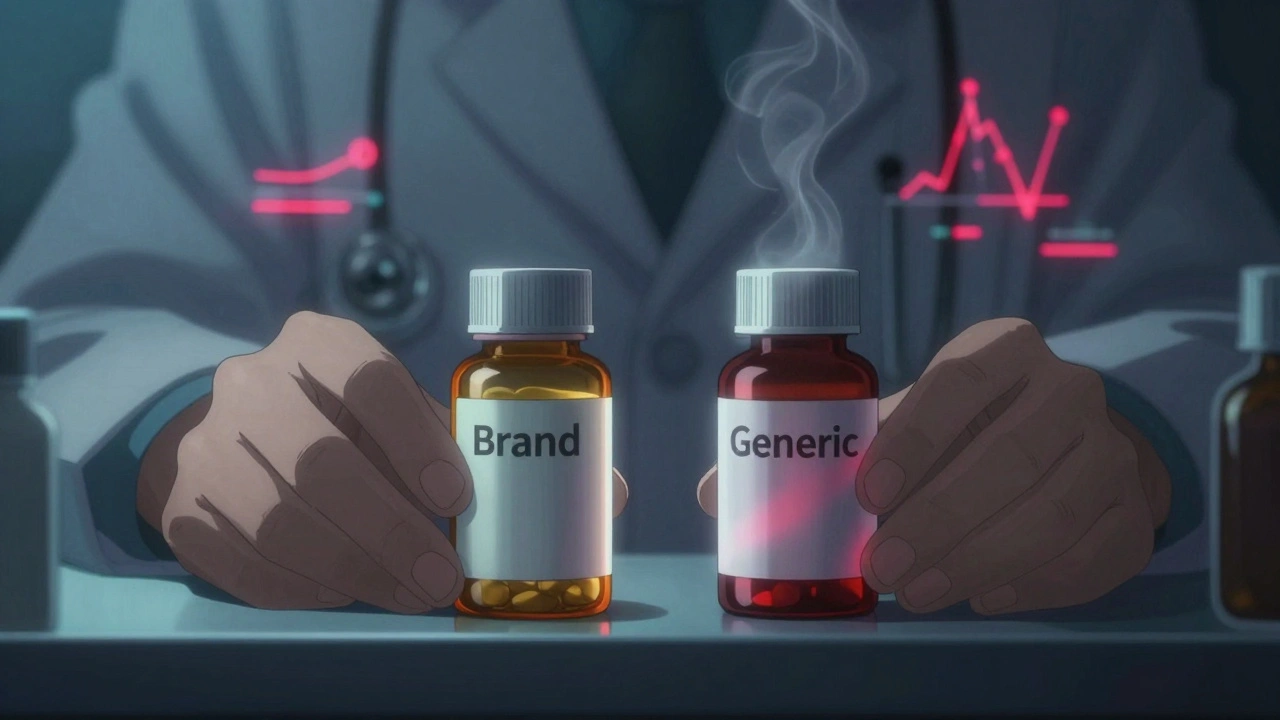
You might not see the EMA, but you feel its impact. It’s why your pharmacist asks about every supplement you take. It’s why some meds come with black box warnings. It’s why you can trust that a generic version of your heart pill is just as safe as the brand — because the EMA demanded proof. And when new therapies like digital therapeutics or complex generics enter the market, they’re the ones making sure they don’t just look good on paper — they work safely in real life.
Below, you’ll find real stories from patients and doctors about how the EMA’s decisions affect daily treatment — from biologics that change lives to generics that save money, from drug interactions no one talks about to recalls that could have been deadly. These aren’t abstract policies. They’re the invisible rules that keep your meds working — and you safe.
Dec
How Different Countries Regulate NTI Generics: A Global Comparison
NTI generics require extreme precision in manufacturing and regulation. This article compares how the FDA, EMA, Canada, and Japan handle bioequivalence, pricing, and substitution rules - and why global harmonization is critical for patient safety.