
CYP2D6 Testing: What It Is, Why It Matters for Your Medications
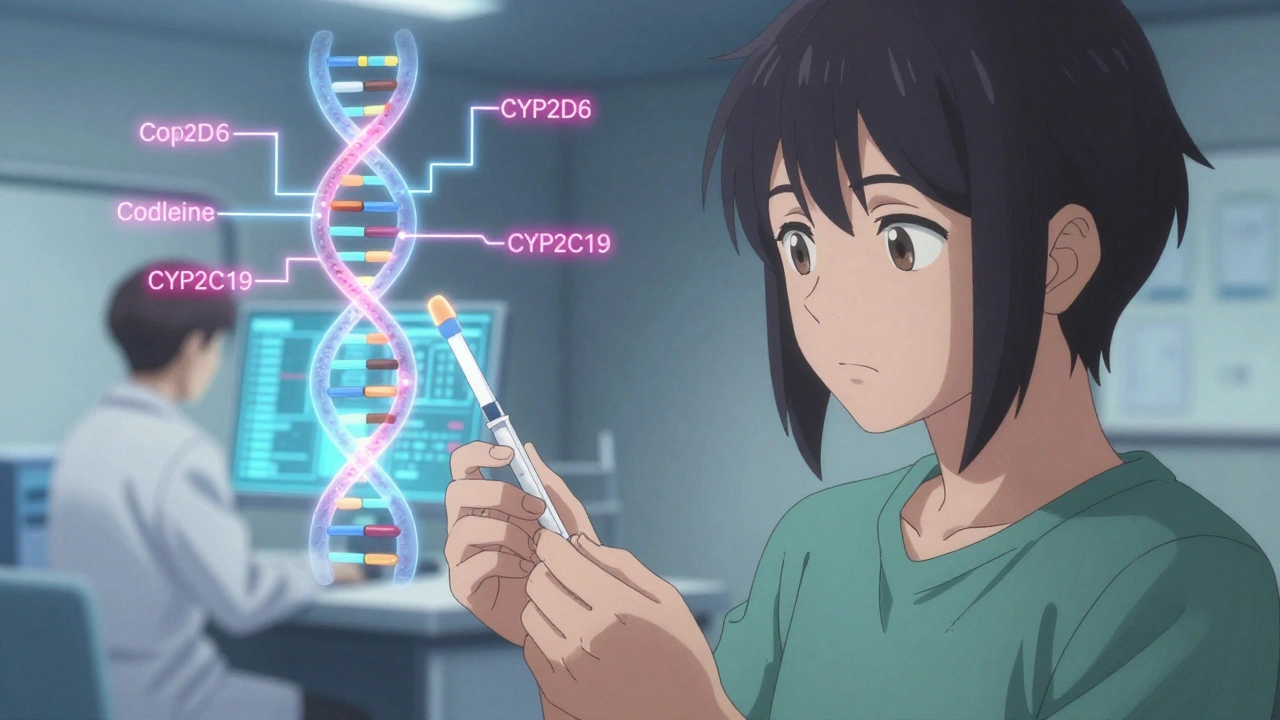
When your body breaks down medication, it doesn’t do it randomly—it follows a precise system built into your genes. One of the most important parts of that system is CYP2D6, a liver enzyme responsible for metabolizing about 25% of commonly prescribed drugs. Also known as cytochrome P450 2D6, this enzyme decides whether a drug works well, causes side effects, or does nothing at all. If your CYP2D6 enzyme is too fast or too slow, your pills might not work like they should—no matter how perfectly you take them.
This isn’t just theory. People with certain CYP2D6 gene versions can’t process antidepressants like fluoxetine or painkillers like codeine properly. Some turn codeine into morphine too quickly and get dangerously high levels. Others barely turn it into anything, so the pain doesn’t go away. That’s why pharmacogenomics, the study of how genes affect how drugs work in your body is becoming part of real-world care. It’s not about guessing—it’s about knowing what your body can handle before you start a new drug. And when you’re taking heart meds, antipsychotics, or even some cancer drugs, that knowledge can be the difference between safety and serious harm.
CYP450 enzymes, a family of proteins that handle most drug breakdown in the liver don’t work alone. CYP2D6 is just one player in a crowded system. It competes with CYP3A4, CYP2C9, and others. That’s why some drugs interact badly—not because they’re toxic together, but because they’re both trying to use the same enzyme. If you’re on multiple meds, your CYP2D6 status might explain why one pill makes you dizzy while another does nothing. Testing doesn’t just tell you about one drug—it helps you understand your whole medication picture.
You don’t need to be sick to benefit from CYP2D6 testing. If you’ve had bad reactions to meds before, if your doctor keeps changing your dose with no clear reason, or if you’re about to start a long-term treatment like an antidepressant or beta-blocker, this test could save you months of trial and error. It’s a simple saliva or blood sample. No needles, no fasting, no hassle. The results don’t change overnight, but they change how your care is planned—for life.
Below, you’ll find real stories and science-backed insights from people who’ve been there: why generic drugs sometimes fail, how drug interactions sneak up on you, and what to ask your pharmacist before you swallow that next pill. These aren’t abstract ideas—they’re the practical side of CYP2D6 testing, made real through everyday experiences with medication safety.
Dec
Pharmacogenomics Testing: How Your Genes Determine Which Medications Work for You
Pharmacogenomics testing uses your genes to predict how you'll respond to medications, reducing side effects and improving treatment success-especially for depression, heart disease, and pain management.