
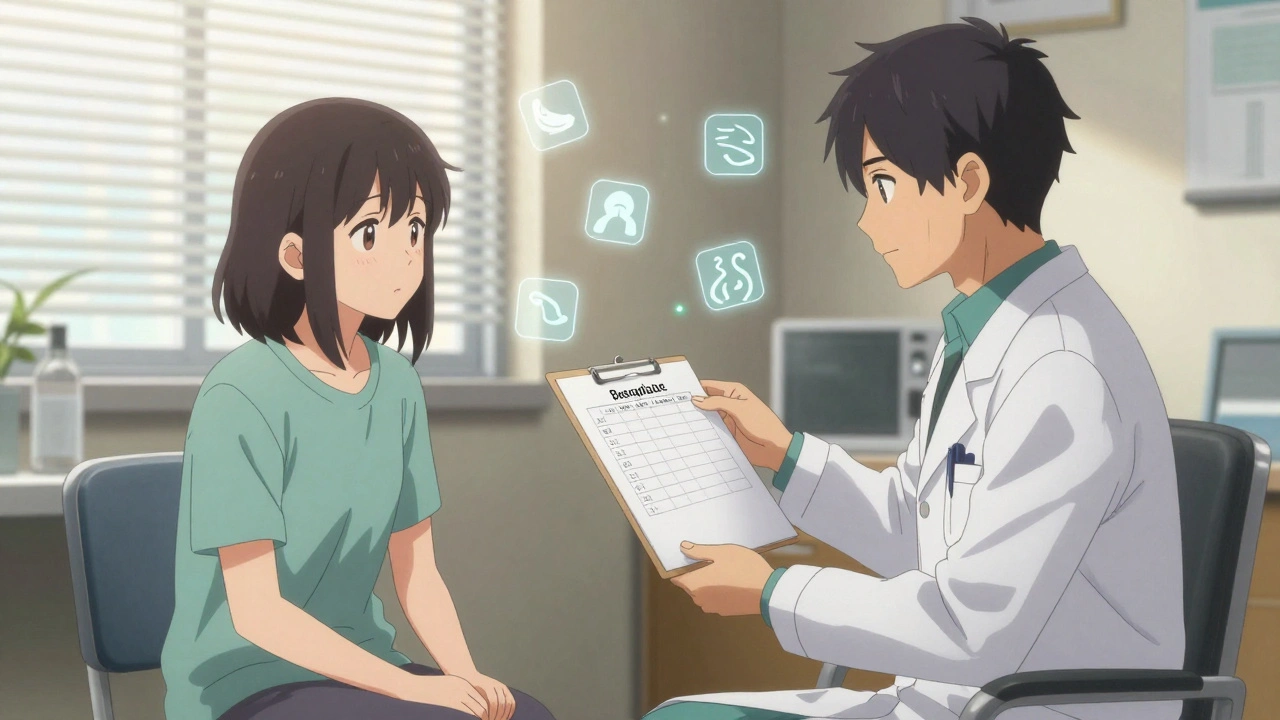
Stopping a medication isn’t as simple as just skipping a pill. Many people assume if they feel better, they can quit. But for certain drugs-like antidepressants, benzodiazepines, or opioids-suddenly stopping can trigger serious withdrawal symptoms: anxiety that feels like panic attacks, insomnia that lasts for weeks, dizziness, nausea, even seizures. The good news? You don’t have to figure this out alone. Talking to your doctor about tapering doesn’t mean you’re giving up-it means you’re taking control.
Why Tapering Matters More Than You Think
Your body adapts to medications over time. When you take something like an SSRI antidepressant or a benzodiazepine for months or years, your brain adjusts its chemistry to work with that drug. When you remove it too fast, your brain doesn’t have time to readjust. That’s when withdrawal kicks in. According to a 2021 review in the Journal of Clinical Psychiatry, 8-12% of long-term benzodiazepine users experience severe withdrawal. For antidepressants, up to 71% of clinical guidelines recommend gradual tapering-not because it’s always necessary, but because the risk of rebound symptoms is real. A 2021 JAMA Internal Medicine study of 15,000 patients found that those who tapered slowly had 37% fewer emergency room visits than those who stopped abruptly. It’s not just about avoiding discomfort. Rapid tapers can be dangerous. The CDC estimates 17,000 deaths annually in the U.S. are linked to unsafe opioid discontinuation. Even for medications like gabapentin or beta-blockers, sudden stops can cause spikes in blood pressure or heart rate. Tapering isn’t optional for these drugs-it’s medical necessity.What Your Doctor Needs to Know Before Starting
Don’t walk into your appointment saying, “I want to get off this.” That’s not enough. Your doctor needs context to make a safe plan. Start by preparing answers to these questions:- How long have you been on this medication?
- What dose are you on now, and how often do you take it?
- Have you noticed any side effects or changes in how you feel lately?
- Why do you want to stop? Is it cost? Side effects? Feeling better? Fear of dependency?
- Have you ever tried stopping before? What happened?
How to Ask for a Tapering Plan-Without Feeling Pushed
Many patients feel pressured to stay on meds they don’t want. Others feel dismissed when they ask to stop. The key is to frame your request as a partnership. Try this script: “I’ve been thinking about reducing my [medication name]. I’m not sure if it’s still helping me, and I’d like to explore whether I can stop safely. Can we look at the risks and benefits together?” This shifts the conversation from “I want out” to “Let’s decide what’s right for me.” Studies show that when patients are involved in creating the plan, taper success rates jump from 42% to 78%. Ask for specifics:- “What does a safe taper look like for this drug?”
- “How long will it take?”
- “What symptoms should I watch for?”
- “When should I call you if things get worse?”
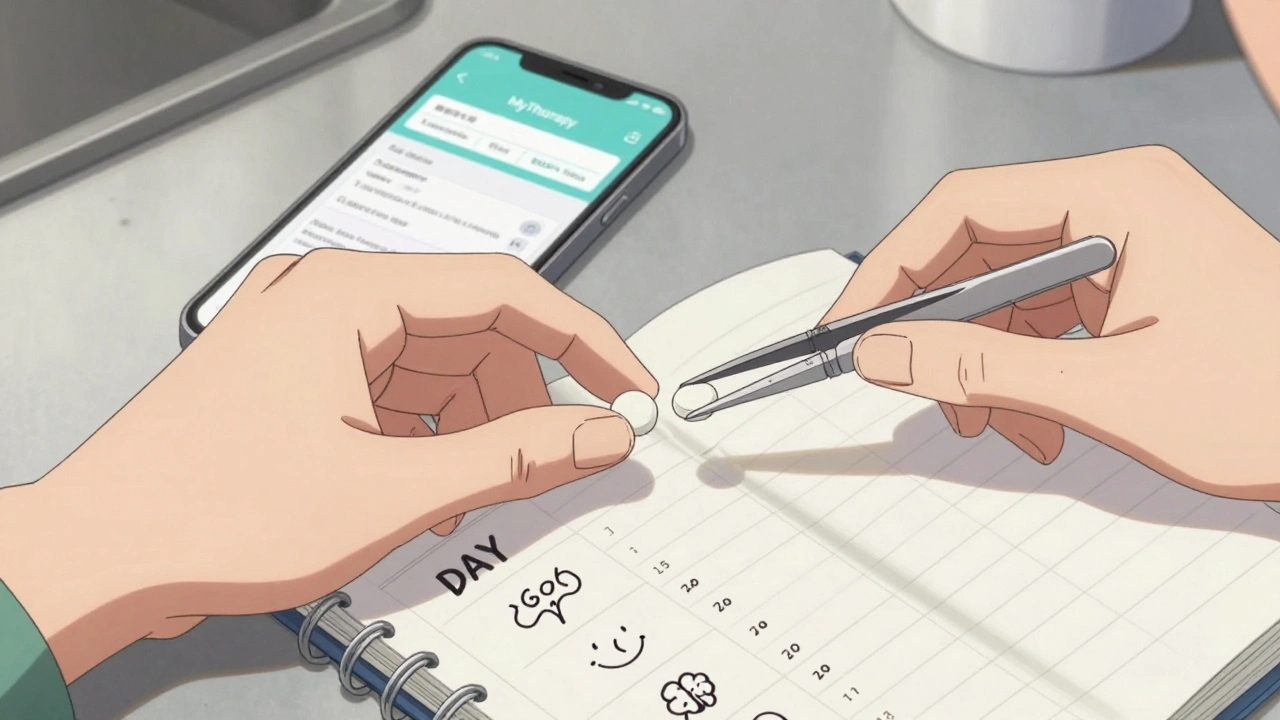
What a Real Tapering Plan Looks Like
There’s no one-size-fits-all schedule. But here’s what evidence-based plans look like for common medications:- Benzodiazepines (like Xanax or Klonopin): Reduce by 5-10% every 1-2 weeks. For someone on long-term use (6+ months), this can take 4-26 weeks. Faster tapers increase severe withdrawal risk by over 50%.
- Opioids (like oxycodone or hydrocodone): Reduce by 10% of your original dose every 5-7 days. Once you hit 30% of your starting dose, slow to 10% per week. The VA/DoD guidelines say this approach cuts withdrawal symptoms in half.
- Antidepressants: SSRIs like fluoxetine (Prozac) can sometimes be stopped in 1-2 weeks because they linger in the body. But paroxetine (Paxil) or venlafaxine (Effexor) need 4-8 weeks. The Mind charity found 74% of patients didn’t know how long withdrawal could last.
What to Expect During the Taper
Withdrawal symptoms aren’t the same as relapse. They’re your body adjusting. Common signs include:- Flu-like symptoms (fatigue, chills, muscle aches)
- Sleep disturbances (insomnia, vivid dreams)
- Emotional changes (anxiety, irritability, low mood)
- Dizziness, brain zaps, or tingling
- GI issues (nausea, diarrhea)
When to Pause or Stop the Taper
You have the right to stop at any time. If you’re feeling worse, not better, speak up. Pause the taper if:- Symptoms last more than 10 days after a reduction
- You have thoughts of self-harm or severe anxiety
- You’re having seizures, chest pain, or heart palpitations
- You’re unable to work, care for yourself, or leave the house

What to Do After You Finish
Finishing a taper doesn’t mean you’re done. You still need support. Schedule a check-in 4 weeks after your last dose. Withdrawal symptoms can linger for months in some cases. This isn’t relapse-it’s delayed adjustment. If you’re tapering off an antidepressant, be aware of “rebound depression.” It’s not the same as your original condition. It’s temporary. But if it lasts beyond 6 weeks, revisit your doctor. For opioids or benzodiazepines, consider connecting with peer support. Online communities like r/OpiatesRecovery or local groups can help you feel less alone. Many people say the emotional isolation is harder than the physical symptoms. And if you ever feel tempted to restart the medication because you’re struggling-don’t go back to your old dose. Talk to your doctor first. Restarting at your previous level can be dangerous.What to Do If Your Doctor Won’t Help
Not all providers are trained in tapering. If yours says, “Just quit,” or “It’s fine,” or “You’re overreacting,” you have options. Ask for a referral to a specialist: a psychiatrist, addiction medicine doctor, or pain specialist. Many hospitals now have tapering clinics. You can also contact:- ASAM (American Society of Addiction Medicine) for provider referrals
- The CDC’s Opioid Tapering Resource Center
- Your local pharmacy-many now offer free medication reviews
Can I stop my medication cold turkey if I feel fine?
Even if you feel fine, stopping certain medications suddenly can be dangerous. Drugs like antidepressants, benzodiazepines, and opioids cause physical changes in your brain. Stopping abruptly can trigger withdrawal symptoms like seizures, severe anxiety, or heart issues. What feels like feeling fine now might just mean your body has adapted to the drug-not that it’s no longer needed. Always consult your doctor before stopping.
How long does medication withdrawal usually last?
It depends on the drug and how long you’ve taken it. For most antidepressants, withdrawal symptoms last 1-4 weeks, but can stretch to 12 weeks for drugs like paroxetine. Benzodiazepine withdrawal can last 3-6 months in long-term users. Opioid withdrawal peaks around days 3-5 but can include lingering fatigue or sleep issues for months. The key is pacing: slower tapers reduce both intensity and duration of symptoms.
Is it safe to taper without a doctor’s help?
It’s not recommended. Some people try to taper on their own using online forums or YouTube videos, but this is risky. Without medical oversight, you might misjudge your symptoms, reduce too quickly, or miss interactions with other medications. A doctor can adjust your plan based on your health history, monitor for complications, and provide support if things go wrong. Even if you’re confident, professional guidance is the safest path.
What if my doctor pushes me to taper faster than I’m comfortable with?
You have the right to say no. A good provider will listen to your concerns and adjust the plan. If your doctor insists on a schedule that causes you distress, ask for a second opinion. Some clinics now offer patient-controlled tapering, where you adjust the pace within safe limits-this reduces withdrawal severity by 31%, according to a January 2024 NEJM study. Your comfort and safety matter more than any timeline.
Can I switch to a different medication instead of stopping?
Sometimes, yes. For example, switching from a short-acting benzodiazepine like alprazolam to a longer-acting one like diazepam can make tapering easier. Or switching from an SSRI with a short half-life to fluoxetine, which lingers longer in the body. But this isn’t always possible or safe. It depends on your condition, medical history, and the reason you want to stop. Always discuss this with your doctor-it’s not a DIY swap.

Medication isn't a crutch-it's a chemical leash. We're told to trust the system, but the system doesn't care if you're mentally drowning. Tapering? It's not about safety-it's about control. Who gets to decide what your brain needs? Pharma? A 7-minute consult? You're not broken. You're adapted. And now they want you to beg for permission to unhook yourself. Wake up.
bro i tried to quit klonopin cold turkey after 3 years and let me tell u… i thought i was dying. heart racing, brain zaps like someone was wiring my skull to a tesla coil, couldn’t sleep for 10 days. i ended up in the er thinking it was a heart attack. it wasnt. it was my brain screaming. DO NOT DO THIS. ask for a plan. pls. i’m still recovering.
This is one of the most important, well-researched pieces I’ve read on this topic in years. The statistics are sobering, but the actionable steps? Pure gold. I’m a nurse who’s seen too many patients suffer because they were told to ‘just stop’-no taper, no plan, no follow-up. Please share this with anyone you know who’s thinking about quitting meds. Knowledge is the first step to safety.
Man, I love how this doesn’t just dump facts-it gives you a script. Like, ‘Can we look at the risks and benefits together?’ That’s not just advice, that’s a power move. You’re not asking permission-you’re inviting collaboration. And honestly? That’s how you get heard. I told my doc that last year, and he actually gave me a printed taper schedule. Felt like a human for the first time in years.
Let me be clear: tapering is not a luxury. It is a medical imperative. The notion that one can discontinue neuroactive pharmaceuticals without a structured, monitored protocol is not only misguided-it is dangerously negligent. I urge all readers to treat this as seriously as they would discontinuing chemotherapy or anticoagulants. Your neurochemistry deserves precision, not improvisation.
YES YES YES 💪🔥 I tapered off Effexor over 10 weeks using MyTherapy app and tracked every brain zap 😅 It sucked, but I knew it was temporary. My doc said ‘just cut in half’ and I said ‘nah, we’re doing this right.’ Now I’m 6 months med-free and sleeping like a baby. You got this!! 🌞💖
they want you to taper so they can keep selling you the next drug. 8% withdrawal? pfft. the real number is 90% of people get hooked on the next prescription because the system doesn't want you well-it wants you dependent. ask yourself: why do they push tapers so hard? it's not to help you... it's to keep you in the machine. 🕵️♂️💊
Just to clarify the neuropharmacology here: SSRIs with short half-lives (paroxetine, venlafaxine) induce serotonergic rebound faster due to rapid receptor upregulation. Tapering at 10% weekly allows for homeostatic recalibration. Skipping this = HPA axis dysregulation + 5-HT2A hypersensitivity = guaranteed withdrawal storm. Trust the protocol.
I was so scared to talk to my doctor about stopping my antidepressant. I thought they’d judge me. But when I said, ‘I feel like I’ve outgrown this,’ they nodded and said, ‘Let’s make a plan.’ I cried in the parking lot. It wasn’t weakness to ask-it was the bravest thing I’d done in years.
Wow. A whole article… and not one mention of how 70% of people who taper end up restarting anyway. So… what’s the point? You’re just delaying the inevitable. But hey, at least you got a fancy printed schedule. 🙄
Every person deserves dignity in their healing journey. Whether you’re on one medication or ten, your body is not a machine to be turned off. Tapering is not failure-it is courage. It is listening. It is choosing yourself. And you are not alone. I believe in you.
This is just fearmongering dressed as medicine. Most people don’t need tapers. They need to grow up. If you can’t handle withdrawal, maybe you shouldn’t have taken the drug in the first place. Stop treating yourself like a fragile child. Just quit.
lol you think your doctor actually knows how to taper? they got 8 minutes with you and a checklist from Pfizer. they’re winging it. i’ve seen 3 people get screwed by ‘safe’ tapers. you wanna survive? go to r/antidepressants or r/benzorecovery. real people, real plans. not some 10% rule from a 2023 study that got funded by a pharma grant.