
CYP3A4: What It Is, Why It Matters in Medications, and How It Affects Your Health
When you take a pill, your body doesn’t just absorb it—it CYP3A4, a liver enzyme that breaks down over 50% of all prescription drugs. Also known as cytochrome P450 3A4, it’s the main gatekeeper deciding whether your medication works, lasts long enough, or builds up to dangerous levels. This enzyme is always working behind the scenes, and if it’s slowed down or sped up by something you eat, drink, or take, your whole treatment can go off track.
Grapefruit juice, a common dietary item that blocks CYP3A4 is the most famous offender. One glass can make your blood pressure pill or cholesterol drug become too strong—sometimes dangerously so. On the flip side, St. John’s wort, a popular herbal supplement can make CYP3A4 work too hard, causing your birth control, antidepressants, or even HIV meds to fail. Even some antibiotics and antifungals can mess with this enzyme, turning a simple prescription into a risk. If you’re on more than one medication, this isn’t just a technical detail—it’s a safety issue.
That’s why so many of the posts here focus on drug interactions, side effects, and hidden risks. Whether it’s how GLP-1 nausea can be managed with timing and diet, why Enalapril might trigger gout flares, or how SSRIs can cause emotional blunting, the root cause often ties back to how your body processes these drugs through CYP3A4. The same enzyme that breaks down your blood pressure pill also handles your pain meds, your anxiety drugs, and even some over-the-counter supplements. It’s the silent conductor of your medication symphony—and if it’s out of tune, everything goes wrong.
You won’t find CYP3A4 listed on your prescription label, but you’ll find its effects everywhere—in the warning about grapefruit, in the note that says "avoid with certain antibiotics," or in why your doctor asked if you take turmeric or CBD. Understanding this enzyme helps you ask better questions, spot red flags, and avoid surprises. The posts below cover real cases: how people manage side effects, why some switch from combo pills to separate generics, how emergency meds must be stored, and how diet and supplements can interfere with treatment. Each one ties back to this one invisible system in your liver that’s controlling whether your meds work—or hurt you.
Nov
CYP450 Enzyme Interactions: How Medications Compete for Metabolism
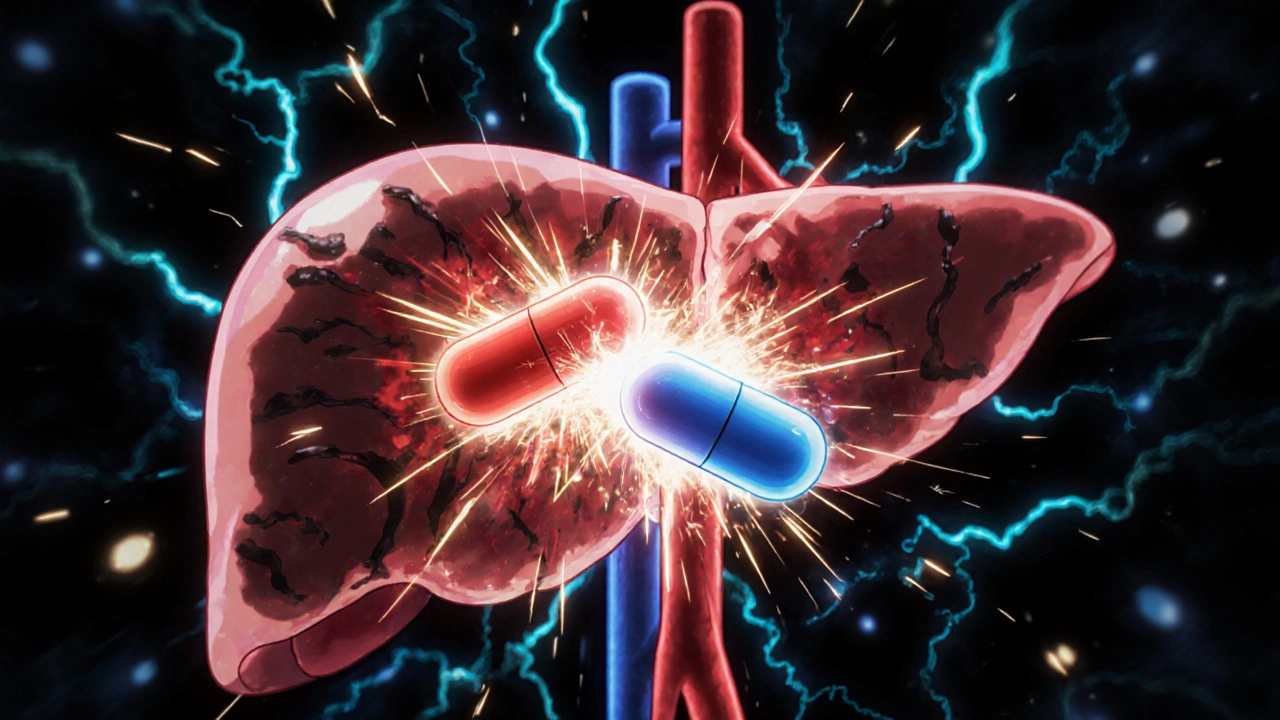
CYP450 enzymes metabolize 90% of medications, but drug competition can cause dangerous interactions. Learn how common meds like statins, antidepressants, and blood thinners clash - and how to stay safe.