
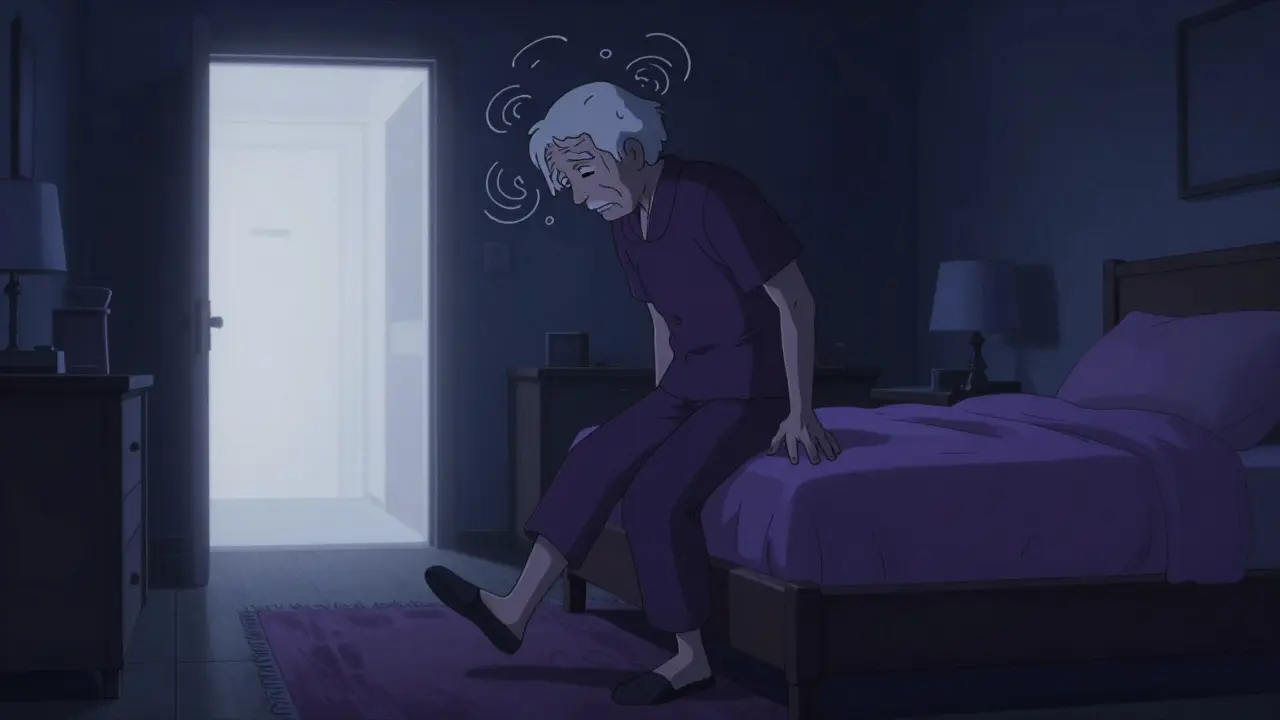
The stakes are high. According to the CDC, nearly 29% of adults 65 and older fall every year. While we often blame slippery floors or poor eyesight, medication side effects are a major, often invisible, culprit. When you take a first-generation antihistamine, it doesn't just stay in your sinuses; it enters your brain, slowing down your reaction time and messing with your balance. This creates a "perfect storm" for accidents, especially when you're getting out of bed in the middle of the night.
Why Some Allergy Pills Are Riskier Than Others
Not all antihistamines are created equal. To understand the risk, you have to look at the difference between "first-generation" and "second-generation" drugs. First-generation options, like diphenhydramine (found in Benadryl) or chlorpheniramine, are designed in a way that allows them to easily cross the blood-brain barrier. Once inside the brain, they block histamine receptors that keep us alert and coordinated.
For a 30-year-old, these drugs might just cause a bit of drowsiness. But for someone over 65, the metabolic process slows down. While diphenhydramine has a half-life of about 8.5 hours in healthy adults, that window extends to 13.5 hours in older adults. This means the drug lingers in your system much longer, keeping you sedated well into the next day and impairing your gait and stability.
In contrast, second-generation antihistamines like fexofenadine (Allegra) or loratadine (Claritin) are built differently. They don't penetrate the brain nearly as well, which is why they are marketed as "non-drowsy." A 2025 study by Marmor et al. found that while first-generation medications increased fall risk by a staggering 87%, second-generation alternatives showed no significant increase in falls. The choice of medication can literally be the difference between staying independent and needing long-term care.
| Feature | First-Generation (e.g., Diphenhydramine) | Second-Generation (e.g., Fexofenadine) |
|---|---|---|
| Blood-Brain Barrier Penetration | High (Causes sedation) | Low (Non-sedating) |
| Fall Risk Increase | ~87% Increase | No significant increase |
| Anticholinergic Burden | High (Score 3-4) | Low (Score 0-1) |
| Common Side Effects | Confusion, dry mouth, dizziness | Mildly drowsy (in some cases) |
The Danger of the "Anticholinergic Burden"
It's not just about feeling sleepy. Many of these older antihistamines have "anticholinergic" properties. This means they block acetylcholine, a chemical messenger in the brain and body. When this happens, you get a cocktail of side effects: blurred vision, dry mouth, and constipation. More dangerously, it leads to cognitive impairment and confusion.
The Beers Criteria, a gold-standard list created by the American Geriatrics Society, explicitly labels first-generation antihistamines as "potentially inappropriate" for older adults. Why? Because the risk of delirium is too high. Research from Neurology Advisor in 2023 pointed out that older adults using these drugs were 2.3 times more likely to experience delirium during hospital stays. When you combine confusion with dizziness and blurred vision, the risk of a fall becomes almost inevitable.
Practical Strategies to Lower Your Risk
If you or a loved one are using these medications, you don't have to just "deal with it." There are concrete steps you can take to stay safe without sacrificing your comfort. The CDC's STEADI initiative suggests a simple framework: Stop, Switch, and Reduce.
- Stop: Evaluate if the medication is truly necessary. Are you taking a sleep aid every night? Many of these habits form over years, but the risk increases as you age.
- Switch: Move from first-generation to second-generation drugs. Switching to something like fexofenadine can reduce fall risk by about 42%.
- Reduce: If a specific medication is absolutely required, use the lowest effective dose. For example, taking 12.5mg of diphenhydramine instead of 25mg can significantly lower the sedative impact.
Timing also matters. If you must take a sedating medication, do it in the evening. This helps ensure the peak sedative effects (which usually hit 1-3 hours after dosing) happen while you are safely in bed, rather than while you're walking to the kitchen for water at 3 AM.

Going Beyond the Pill: Non-Drug Alternatives
We often reach for a pill because it's the fastest solution, but for older adults, the "fastest" solution can be the riskiest. There are highly effective ways to manage allergies and sleep without risking a trip to the ER.
For allergy relief, consider nasal saline irrigation, which has been shown to reduce symptoms by up to 40%. You can also tackle the problem at the source: use allergen-proof bedding to cut dust mite exposure by 83% and install HEPA air filters to remove 99.97% of airborne triggers. These methods don't cross the blood-brain barrier and they don't cause dizziness.
For sleep issues, the American Geriatrics Society recommends non-pharmacological interventions over diphenhydramine. This includes "sleep hygiene": keeping a consistent wake-up time, avoiding caffeine after noon, and making the bedroom a dark, cool sanctuary. These changes take more effort than popping a pill, but they don't carry the risk of a hip fracture.
Creating a Safe Home Environment
While medication changes are the primary goal, environmental safety acts as your second line of defense. If a medication causes a brief moment of dizziness, a safe home can prevent that moment from becoming a disaster.
- Install Grab Bars: Adding bars in the shower and near the toilet can reduce fall risk by 28%.
- Brighten the Path: Improving lighting in hallways and bathrooms can reduce falls by 32%. Motion-sensor nightlights are a lifesaver for those on sedating meds.
- Clear the Clutter: Remove throw rugs and electrical cords from walking paths. A simple trip over a rug combined with antihistamine-induced drowsiness is a dangerous combination.

The Role of Your Healthcare Team
You shouldn't do this alone. A comprehensive medication review is one of the most effective ways to prevent injuries. The CDC recommends that anyone 65 or older have their full list of meds-including over-the-counter supplements-reviewed by a professional at least once a year.
Pharmacists are an untapped resource here. A "brown bag" review, where you bring every single bottle you own into the pharmacy, often reveals "hidden" risks. Studies show that pharmacist-led reviews can reduce fall risk by 26%. They can spot when a primary care doctor and a dermatologist have prescribed two different things that both cause sedation, compounding the risk.
Are all allergy medications dangerous for older adults?
No. The risk is primarily associated with first-generation antihistamines (like Benadryl). Second-generation antihistamines (like Allegra or Claritin) do not cross the blood-brain barrier as easily and are generally considered much safer for older adults.
Why does my age make these medications more dangerous?
As we age, our liver and kidneys process medications more slowly. This extends the "half-life" of the drug, meaning the sedating effects last much longer in an older adult's system than in a younger person's, increasing the window of time where balance is impaired.
Can I just stop taking my sleep aid immediately?
You should always consult your doctor first. Some medications require a gradual tapering process to avoid withdrawal symptoms or a "rebound" effect where insomnia becomes worse. A doctor can help you create a tapering plan while introducing sleep hygiene habits.
What is the "Beers Criteria" and why does it matter?
The Beers Criteria is a widely recognized list of medications that are potentially inappropriate for older adults. It helps doctors identify drugs that have a higher risk of causing adverse effects, like falls and confusion, compared to the benefits they provide.
What are the best non-drug alternatives for allergies?
Effective alternatives include using HEPA air filters to remove airborne allergens, using allergen-proof covers on mattresses and pillows, and utilizing nasal saline rinses to clear sinuses without affecting the brain.
Next Steps for Safety
If you are currently taking a first-generation antihistamine, your first step should be a medication audit. List every drug, vitamin, and supplement you take and schedule a 30-minute appointment with your pharmacist or doctor. Ask specifically, "Are any of these medications increasing my fall risk?"
For those caring for an older parent, start by checking the labels on their OTC medications. Look for diphenhydramine or chlorpheniramine. If you find them, don't just throw them away-bring them to the doctor to discuss a safer alternative. Small changes in a medicine cabinet today can prevent a catastrophic injury tomorrow.



This is such a helpful reminder for anyone with aging parents. It's easy to forget that things that worked for us at 20 don't work the same way at 70. Thanks for sharing this!
Everyone knows about the Beers Criteria. It's basic medical knowledge. Most people just ignore it because they want a quick fix for sleep instead of actually fixing their routine.
stop blaming the pills alone look at the systemic failure of elderly care everywhere you just need to push your doctors harder to get a full review instead of waiting for some list to tell you what is wrong
Big Pharma loves these 'generations' of drugs. They just cycle them to keep us paying for new versions. Don't trust the labels.
the irony is that we seek stability in a pill while the very nature of existance is instability. why worry about a fall when gravity is the only thing we can truly rely on in this chaotic void... besides most of these stats are probably padded anyway
Honestly, it's pathetic that people need a guide to realize that sedating drugs make you sleepy. It's not rocket science. If you can't figure out that a "sleep aid" makes you groggy and prone to tripping, you've already lost the battle with basic logic. I've seen so many people ignore the obvious signs of anticholinergic toxicity just because they're too lazy to read a label. It's a complete lack of self-awareness that leads to these hospital trips. People just want the magic pill without the effort of actual health maintenance. Just read the package insert for once in your life.
I don't know, I've always found that a little bit of Benadryl actually helps some people stay in bed longer, which technically prevents them from walking around and falling in the first place. Just a thought!
The CDC just wants us to use "approved" alternatives so they can track the data better. Total control move.
Oh wow, so you're telling me that taking a drug that knocks me out might make me stumble? Truly a groundbreaking discovery! I'm absolutely shocked. 🙄
Too long. Just switch to Allegra.
Stay safe everyone! 🌟 Just be careful with those labels! 😊