
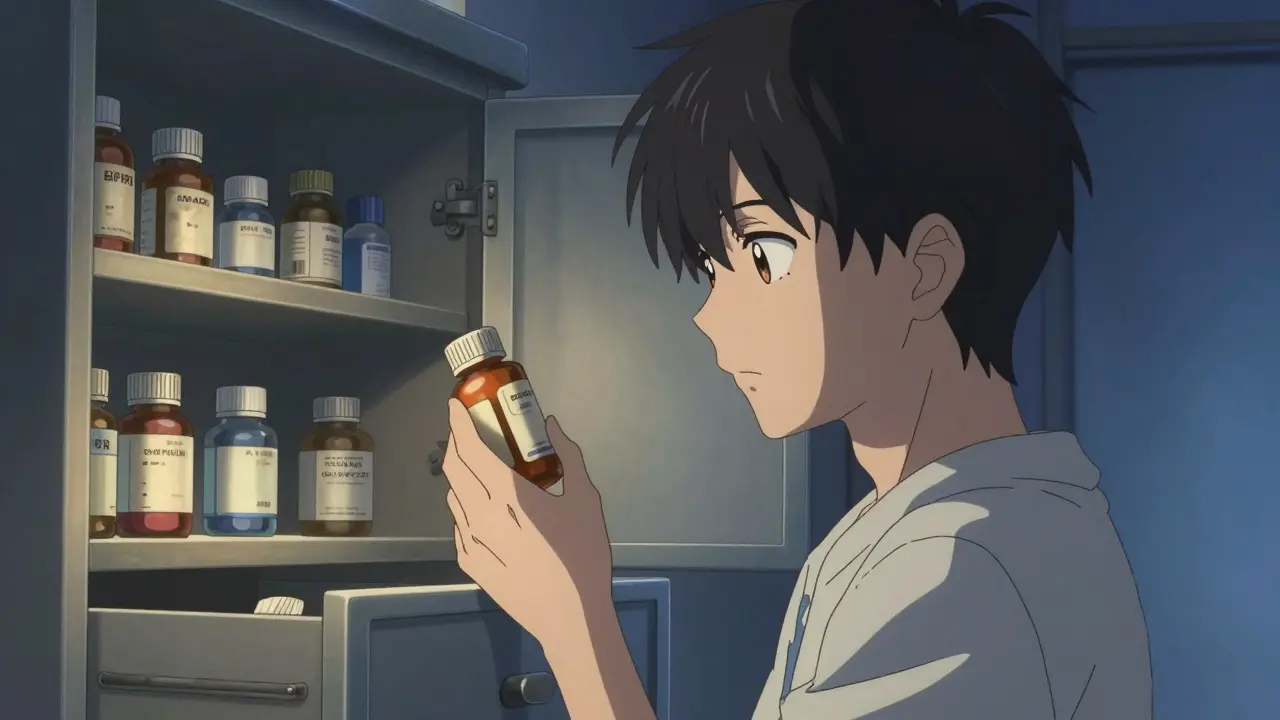
The Truth About Old Pills and Bottles
You probably have a drawer somewhere in your house dedicated to minor emergencies. Inside sits a bottle of ibuprofen, a few allergy pills, maybe some antacids. They've been there for years. You find them when you're rushing to fix a headache or calm hives. Before you pop one out of the bottle, a nagging question forms: is it safe?
This is a common dilemma. Most households keep medicines past their printed date simply because throwing them away feels wasteful. However, understanding the difference between a "best before" sticker on yogurt and an expiration date on Over-the-Counter Medications is critical for your safety.
The short answer involves nuance. It is not simply "safe" or "unsafe." Certain pills retain effectiveness for years beyond the label, while others turn toxic or useless almost immediately. Your risk depends entirely on what is in the bottle and how it was stored.
What the Printed Date Actually Means
When manufacturers place a date on a box, they aren't guessing. This requirement comes from regulatory mandates. In the United States, the Food and Drug Administrationregulatory body responsible for protecting public health has mandated expiration dating since 1979. The date represents the last day the manufacturer guarantees the medication maintains its full potency and safety profile under specified storage conditions.
It is crucial to understand that this is a conservative estimate. Shelf life typically ranges from one to five years from manufacturing. However, this timeline assumes ideal conditions. If you store medicine in a hot bathroom cabinet, those assumptions fail quickly. Conversely, many solid tablets remain chemically stable long after the date passes if kept in cool, dry places.
Why do we care? The primary purpose is efficacy. We need the drug to work exactly as intended. A painkiller that loses 20% strength might leave you in agony. An antibiotic that isn't strong enough won't kill bacteria, leading to resistant infections. The date protects public health by ensuring you get the therapeutic dose promised on the label.
Formulas Matter More Than Dates
The physical state of the medicine is the biggest factor in post-expiration safety. Generally, Solid Dosage FormsTablets and Capsules are far more stable than liquids. Research indicates that tablets kept in original containers at room temperature maintain over 90% potency for up to two years past expiration in most cases.
Liquids tell a different story. Syrups, suspensions, and eye drops are vulnerable because they contain water. Bacteria love water. Studies show liquid antibiotics can develop microbial contamination within six months of expiration. One specific finding noted that 43% of tested liquid formulations showed bacterial growth shortly after the date passed.
Your eyes are particularly sensitive. Sterility is non-negotiable here. Eye drops can lose sterility fast. Clinical data suggests a high percentage of dropped solutions develop contamination just three months after the printed date. Using contaminated drops can lead to serious eye infections that are much harder to treat than the original itchiness.
| Medication Type | Potency Retention | Risk Factor |
|---|---|---|
| Solid Tablets | High (90%+) | Low toxicity risk |
| Liquid Suspensions | Moderate | Bacterial growth risk |
| Eye Drops | Variable | High contamination risk |
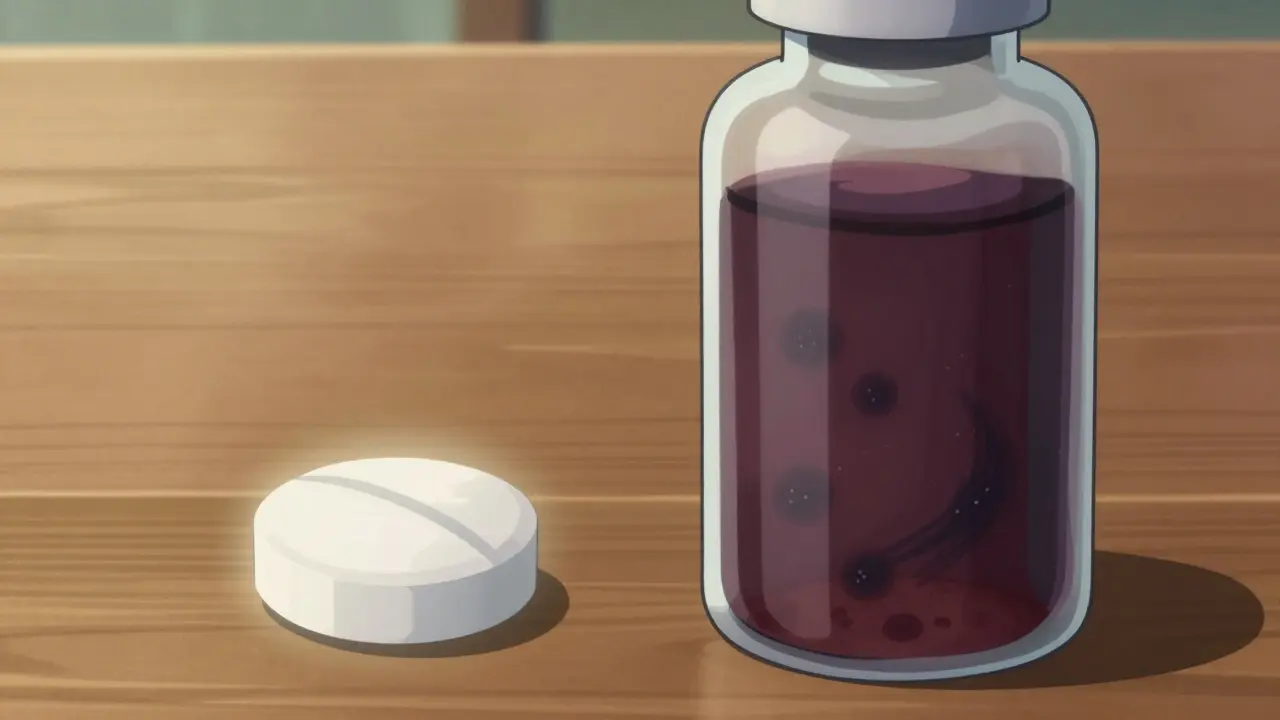
Critical Drugs: Do Not Take Chances
Some medications carry risks that outweigh cost savings. You cannot gamble with vital treatments. Nitroglycerina drug used to treat chest pain is a prime example. These sublingual tablets degrade rapidly. Within six months of expiration, they can lose half their potency. If you need nitroglycerin during a cardiac event, a weak pill could be fatal.
Biologics fall into this danger zone too. Insulin requires refrigeration and has a strict timeline. Expired insulin acts unpredictably, potentially causing blood sugar spikes rather than stabilizing levels. Epinephrine auto-injectors also lose pressure and volume over time. If you are treating anaphylaxis, an expired injector might not deliver a full dose.
On the other hand, daily maintenance meds are less risky. Allergy medications like loratadine show minimal degradation. Testing verifies that products like Claritin maintain therapeutic effectiveness for several years beyond the date if stored correctly. Pain relievers like ibuprofen and acetaminophen also hold up well. Users report reduced effectiveness starting around one year past expiry, but they rarely become toxic.
A historical warning exists regarding antibiotics. While modern formulations are safer, older tetracycline derivatives were linked to kidney damage decades ago. While rare now, taking expired antibiotics remains ill-advised because partial treatment fuels resistance. The risk isn't just personal illness; it's contributing to broader public health crises like superbugs.
Storage Changes Everything
Where you keep the medicine matters more than the number on the box. Heat accelerates chemical breakdown. Medicine stored above 86°F experiences degradation rates up to 300% faster than those kept below 77°F. Bathrooms are terrible storage locations due to humidity fluctuations from showers.
Original packaging offers protection. Sealed containers maintain potency significantly longer than transferred containers. Many people move pills into small plastic organizers for travel or portability. This removes the moisture barrier and light protection designed into the original bottle. If you transfer meds, try to keep them in the original container until ready to use.
If a package is compromised-caps off, foil blister packs popped-the clock resets to zero regardless of the printed date. Light and air are enemies of chemical stability.
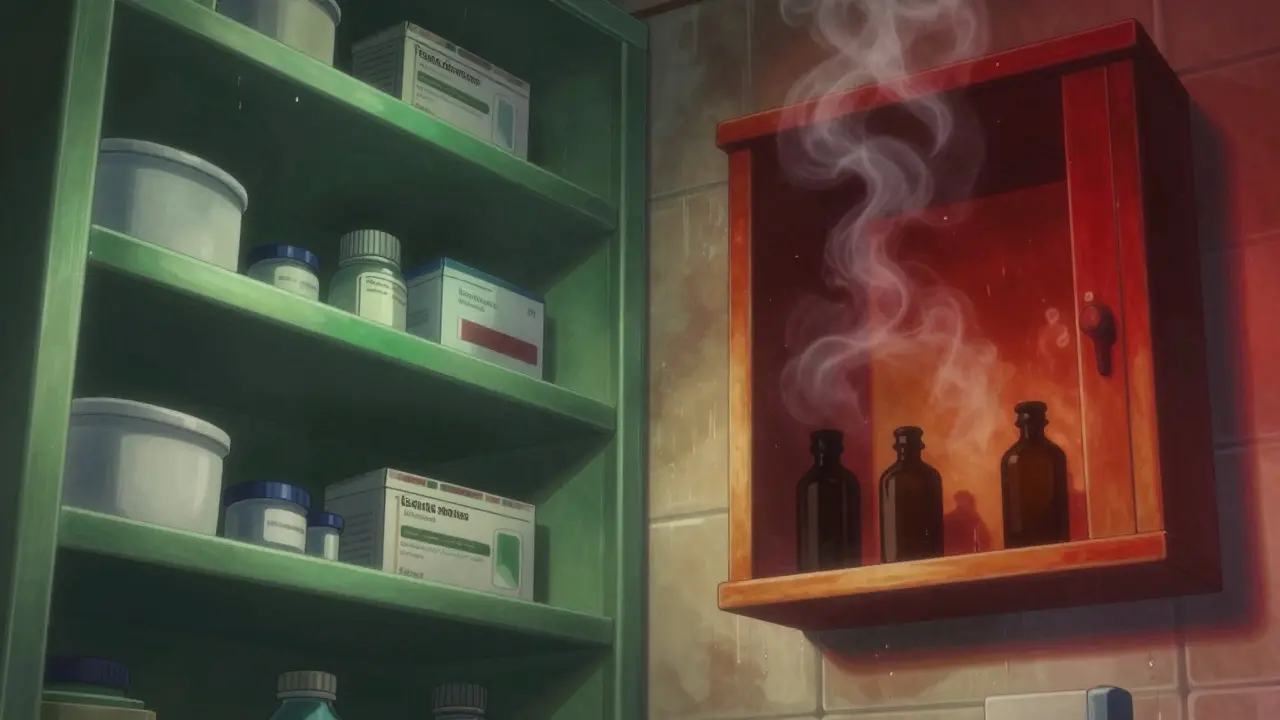
Spotting Compromised Meds
You can detect spoilage without a lab coat. Visual inspection is your first line of defense. Look for tablets that crumble easily. Fresh tablets snap cleanly; old ones dust like chalk. Liquids should be clear or consistently opaque depending on formulation. Cloudiness or separation that doesn't shake back together signals contamination or precipitation.
Smell is another indicator. Some active ingredients have distinct odors. If a bottle smells sour, fermented, or unusual compared to previous bottles, discard it. Texture changes are also red flags. Softened capsules or sticky powders indicate moisture intrusion.
User feedback platforms reveal trends in this area. Surveys show a significant portion of admitted users experience reduced relief from expired painkillers. Approximately one-third report "adequate but reduced" effectiveness for minor issues, which confirms that while not always dangerous, the drug simply works less well.
Safe Disposal Protocols
Throwing medicine down the sink or toilet is outdated advice for most drugs. Environmental runoff harms ecosystems. Instead, mix solid forms with unpalatable substances like coffee grounds or cat litter. Seal them in a jar and place them in regular trash. This prevents accidental ingestion or diversion.
Certain opioids require special handling due to misuse risks. Follow local flushing lists for these specific high-abuse potential drugs to prevent accidental poisoning in homes. Always check with your pharmacist for community take-back events. Proper disposal protects neighbors who might accidentally find discarded pills.
Summary Decision Matrix
Weighing risk versus benefit requires context. For minor ailments like a dull headache or seasonal allergies, a tablet expired a month or two ago is likely safe if stored well. For critical conditions, daily heart maintenance, or treating active infections, replace the stock immediately. The economic saving is negligible compared to the cost of a failed treatment or hospital visit.
The goal isn't fear, but informed choice. By understanding chemical stability, you manage your household pharmacy smarter. Keep the critical drugs fresh, monitor the storage environment, and trust your senses when inspecting old stock.
Is it dangerous to take expired Tylenol?
Generally, acetaminophen (Tylenol) maintains stability for years. However, efficacy may drop slightly after the date. Check for discoloration before use.
Can I use expired eye drops?
No. Eye drops have high risk of bacterial contamination past expiration. The sterility breaks down within months, posing infection risks.
Does heat affect medication shelf life?
Yes significantly. Temperatures above 86°F speed up degradation. Store meds in cool, dry places away from direct sunlight.
How do I dispose of old meds safely?
Mix solids with coffee grounds and seal in trash. Flush specific opioids per guidelines. Attend community drug take-back programs when available.
What happens if I take an expired pill?
Most solid pills won't cause harm, just reduced effect. Liquids or antibiotics pose higher risks of infection or lack of treatment success.


pharmaceutical manufacturing relies on shelf life projections that maximize corporate liability protection while minimizing actual product turnover rates consumers discard functional compounds prematurely due to regulatory fear tactics that prioritize safety margins over resource efficiency storage conditions dictate chemical breakdown velocity more than arbitrary calendar dates dictate stability profiles of crystalline solids differ vastly from aqueous suspensions regarding moisture permeability and oxidation susceptibility ignoring environmental variables renders expiration dates statistically meaningless in most household scenarios
The variance in stability data you highlighted presents a fascinating contradiction between consumer perception and chemical reality manufacturers set conservative timelines to avoid lawsuits yet empirical evidence suggests otherwise regarding solid dosage forms stored properly the color fading phenomenon often correlates with potency loss before visible changes occur people tend to overlook the critical factor of container integrity over time
I find it really helpful to think about how we store things in our homes too keeping medicine cool makes such a huge difference honestly its amazing how much longer stuff lasts when we care about it lets all try to be smarter about our health habits together
Lmao obviously the Big Pharma lobby doesnt want you saving money on their useless junk 💊🙄😂 They claim bacteria grows in eye drops but who actually checks that kind of data probably the same people selling us expensive vitamins bro 😤💰
This is so incredibly important information!!! Everyone needs to understand the difference between tablets and liquids right now!! Please share this with your family members immediately!!! We want to stay safe and healthy together!! Thank you for posting this!!!
Enthusiasm rarely substitutes for actual chemical analysis your emotional outburst ignores the nuanced degradation kinetics involved most people lack the basic literacy required to interpret pharmaceutical stability charts accurately so they default to panic selling regardless of empirical data availability
It is vital to remember that liquid formulations are particularly susceptible to bacterial growth due to the presence of free water molecules in the solution matrix sterile environments break down quickly once the seal is compromised or after the printed date passes therefore visual inspection alone cannot guarantee safety standards
Chemical decomposition pathways typically involve hydrolytic cleavage within the polymer matrix of gelatin capsules which accelerates under high humidity conditions ambient temperature fluctuations further destabilize the active pharmaceutical ingredients through thermal excitation mechanisms that promote molecular rearrangement beyond therapeutic thresholds storage containers made of opaque plastic offer superior barrier properties against ultraviolet radiation compared to transparent packaging materials many individuals fail to recognize the significance of desiccant packets included within original blister pack configurations those absorbent sachets maintain low relative humidity levels necessary for preservation of hygroscopic compounds without these protective measures moisture ingress becomes inevitable leading to premature degradation patterns observable through discoloration or crumbling textures clinical efficacy drops significantly below ninety percent threshold when potency erodes beyond acceptable tolerance ranges patients relying on suboptimal doses risk incomplete therapeutic outcomes that compromise overall treatment plans healthcare systems suffer economic losses from preventable readmissions caused by failed medication regimens proper disposal methods mitigate environmental contamination risks associated with indiscriminate flushing procedures into water supply networks pharmacists recommend community takeback programs as the primary containment strategy for controlled substances requiring specialized handling protocols maintaining inventory freshness remains paramount for managing complex chronic condition therapies effectively
I appreciate the detailed explanation on how to dispose of meds safely :) It helps me feel less guilty about throwing away old bottles thanks for clarifying the coffee grounds method 👍
i think it is sad we waste so much money on thos pills sometimes peopel get scared for no reason and trash stuff that could still work but i guess being carefull is better than taking chanes with our bodies tho
just toss the liquids and keep the tablets for now
Your simplification fails to account for the biological variability inherent in human metabolism when ingesting degraded compounds formal guidelines exist for a reason that overrides personal convenience or heuristic judgment in medical contexts adherence to prescribed standards ensures systemic reliability
It is good to have neutral information presented without alarmism we all have different experiences with how long meds last depending on our own storage habits finding a middle ground seems safest for everyone
neutral perspectives often mask underlying regulatory incentives that drive expiration dating policies true neutrality would acknowledge industry bias inherent in self-regulation mechanisms that favor conservative estimates over extended usability studies funding independent research remains difficult without corporate sponsorship influencing outcome metrics significantly