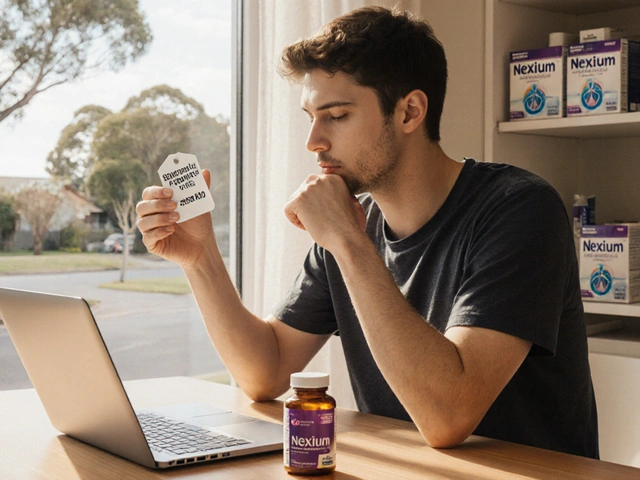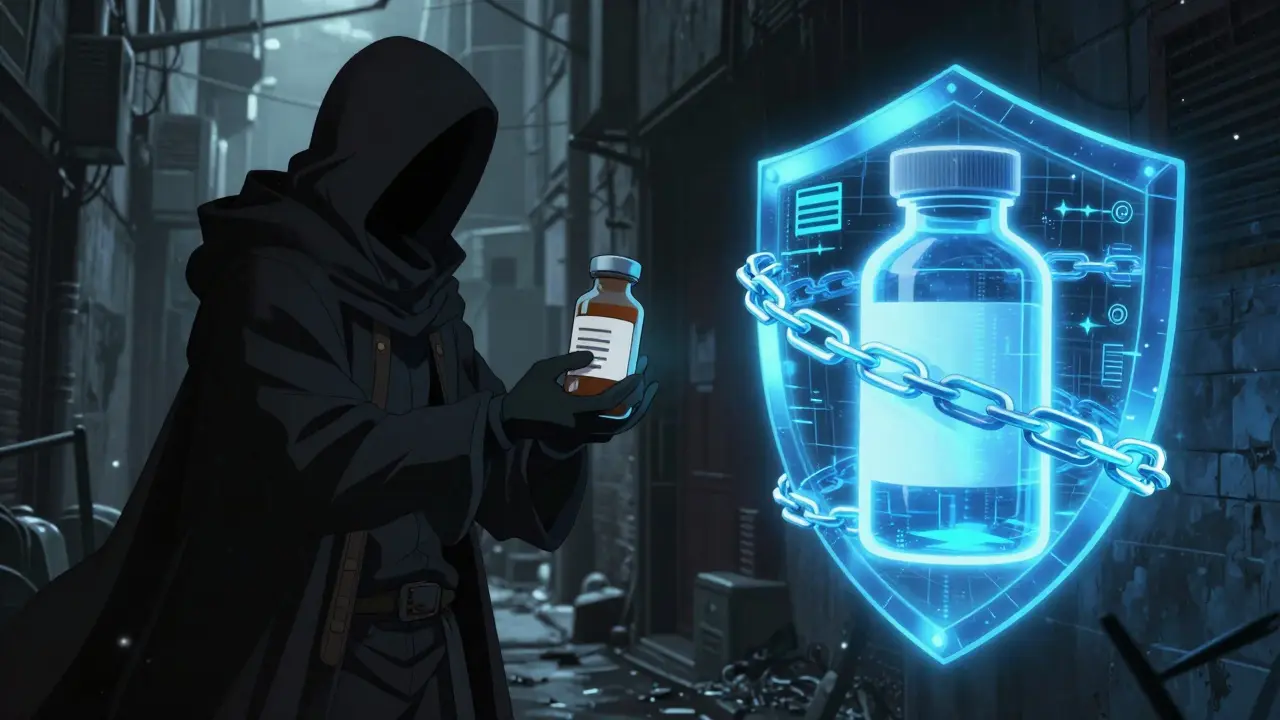
Imagine buying a life-saving generic medication, only to find out later it was a fake filled with chalk or, worse, a toxic substance. It happens more than you'd think. The World Health Organization once estimated that counterfeit drugs are a $200 billion annual problem. For years, we've relied on holograms and fancy inks to spot fakes, but criminals are good at copying those. This is where Blockchain is a distributed ledger technology that creates an unchangeable record of every transaction and movement of a product. By giving every single bottle of medicine a digital passport, we can finally stop guessing if a generic drug is real and start knowing for sure.
The Problem with Old-School Verification
For decades, the pharmaceutical industry relied on "physical" security. You've probably seen those shiny stickers or color-shifting inks on your medicine packaging. While they look impressive, they aren't foolproof. According to INTERPOL, these methods have a 38% replication rate-meaning nearly four out of ten high-end fakes can trick the naked eye. Even centralized databases used by big distributors have a major flaw: they are single points of failure. If the central server goes down or the data is tampered with, the whole chain breaks.
Generic drugs are particularly vulnerable. Because they are produced by various manufacturers globally and often sold at lower price points, the supply chain is complex and fragmented. This complexity creates "blind spots" where counterfeiters can swap real pills for fakes. To fix this, the industry is moving toward a digital pedigree-a complete, immutable history of a drug from the factory floor to the pharmacy counter.
How Blockchain Actually Tracks Your Medicine
It isn't magic; it's a combination of cryptography and strict standards. Most systems use Hyperledger Fabric or Ethereum Enterprise , which are permissioned blockchains. This means not just anyone can join the network; only verified manufacturers, wholesalers, and pharmacists have access.
Here is how the process works in the real world:
- Serialization: Every individual unit is assigned a unique serial number following GS1 standards . This is often embedded in a 2D barcode or QR code.
- The Digital Handshake: Every time the drug changes hands-from the manufacturer to the distributor, then to the pharmacy-a transaction is recorded on the blockchain.
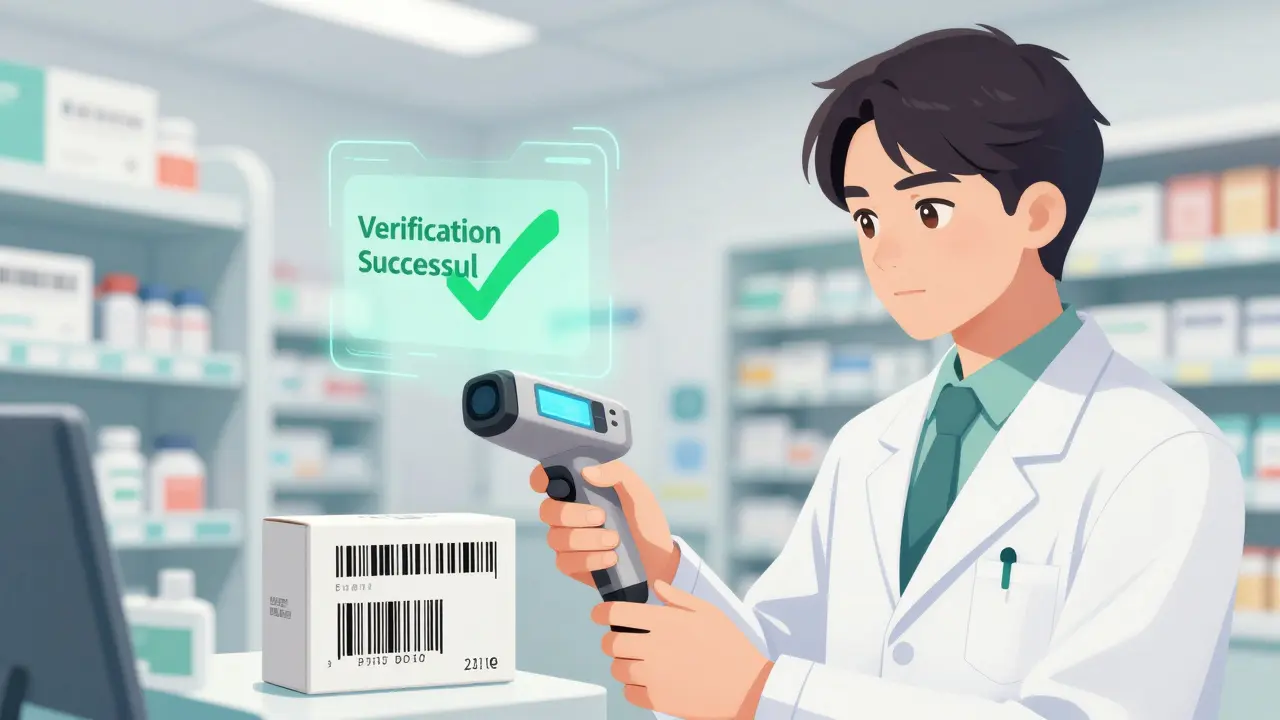
- Verification: When your pharmacist receives a shipment, they scan the code. The system cross-references this with the ledger. If the "digital passport" doesn't match the physical location or the expected sequence, the drug is flagged as counterfeit.
The speed is impressive. In recent FDA pilot projects, verification happened in under 2.3 seconds. Compare that to the old way, where pharmacists sometimes spent 15 minutes manually verifying batches. Now, it's a quick scan and a green checkmark.
| Feature | Holograms/Inks | Centralized Databases | Blockchain Systems |
|---|---|---|---|
| Counterfeit Leakage | High (~38%) | Moderate | Very Low (0.2%) |
| Data Consistency | N/A | Variable | 100% Consistent |
| Verification Speed | Manual/Slow | Fast (if online) | Instant (< 2.3s) |
| Security Model | Physical | Single Point of Failure | Distributed/Immutable |
Real-World Wins and Growing Pains
We aren't just talking about theories. The MediLedger Project has already brought together dozens of pharmaceutical companies to create a shared verification layer. In India, Apollo Hospitals used a similar blockchain approach to slash counterfeit antimalarial drugs by 94% across 5,000 pharmacies. That is a massive win for public health.
However, it isn't all smooth sailing. The biggest hurdle is the cost. Implementing blockchain drug verification requires specialized serialization equipment, which can cost around $150,000 per production line. For a giant like Pfizer, that's a rounding error. For a small generic drug manufacturer, it's a significant investment. In fact, about 63% of generic makers say the cost is still too high to justify the ROI.
There's also the "physical gap." As Dr. Sarah Wynn-Williams from the London School of Economics pointed out, blockchain tracks the document, not the pill. If a criminal manages to put a fake pill inside a real, blockchain-verified bottle, the software won't know. To solve this, the industry is starting to pilot IoT sensors and spectroscopy to verify the actual chemical composition of the drug alongside the digital record.
The Legal Push: DSCSA and Global Mandates
If you live in the US, the Drug Supply Chain Security Act a US law mandating electronic, interoperable tracing of prescription drugs (DSCSA) is the main driver. By late 2023, the law required electronic tracing systems to be in place. The FDA has since released standardization guidelines that will become mandatory by January 2026. This means blockchain isn't just a "cool feature" anymore-it's becoming a legal requirement for doing business.
Europe has a similar push with the Falsified Medicines Directive (FMD). When different countries have different rules, it creates a headache for global distributors. This is why industry-wide consortia are so important; they create a "common language" so a drug made in Germany can be verified instantly by a pharmacy in Sydney or New York.
What This Means for the Average Patient
You might be wondering, "Does this actually help me?" Absolutely. When you buy generic medicine from an online pharmacy or a local drugstore, the biggest risk is the unknown. Blockchain removes the "trust me" element and replaces it with "prove it."
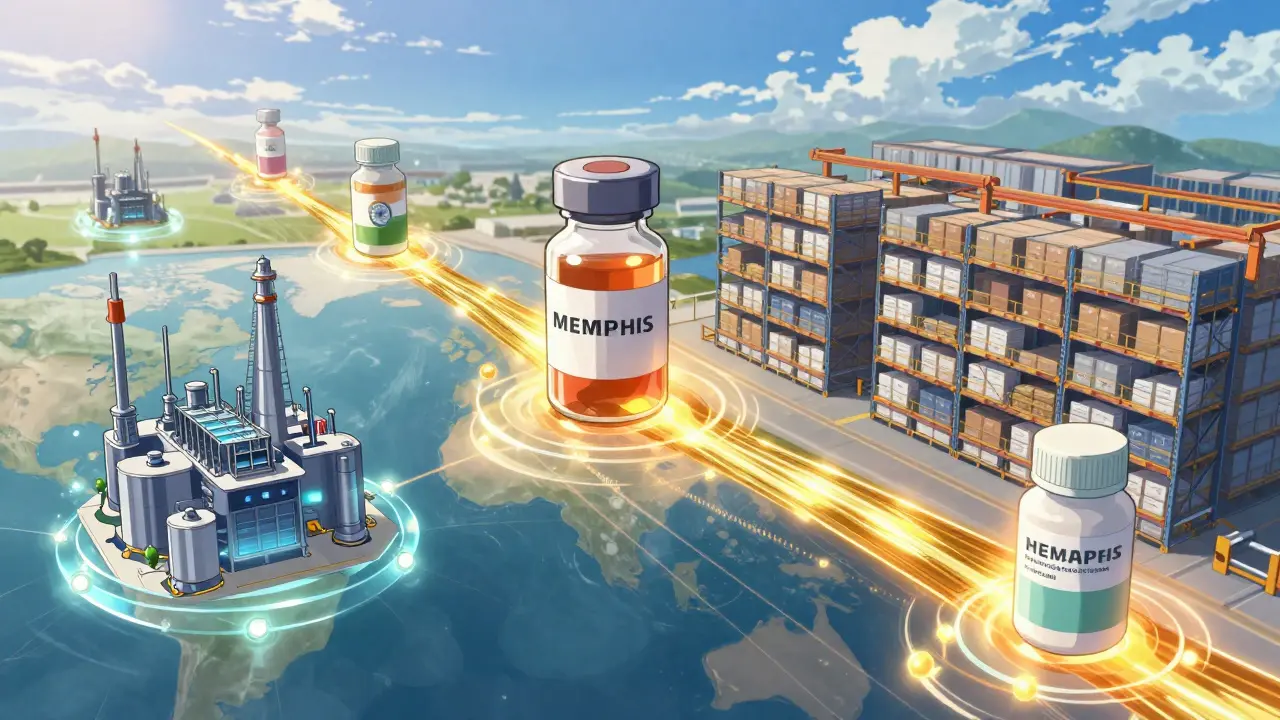
In the near future, you might even be able to scan your own medication with a smartphone app to see its entire journey-from the lab in India to the warehouse in Memphis to your local pharmacy. This transparency forces manufacturers to be more accountable and makes it nearly impossible for counterfeiters to inject fake stock into the legitimate supply chain.
Does blockchain guarantee the medicine inside the bottle is real?
Not 100%. Blockchain verifies the chain of custody-meaning it proves the bottle came from a legitimate source. However, it cannot detect if the physical pills were swapped inside the bottle. To fix this, researchers are integrating blockchain with chemical analysis tools (spectroscopy) and IoT sensors to ensure the physical product matches the digital record.
Is blockchain verification expensive for the consumer?
Generally, no. The costs are absorbed by the manufacturers and distributors as part of their regulatory compliance (like DSCSA). While it might slightly increase production costs for some low-cost generics, the long-term savings from reducing counterfeit losses and safety stock inventory are expected to offset these costs.
Can a hacker change the drug record on a blockchain?
That is the main benefit of the technology. Because it is an immutable ledger, once a transaction (like a shipment transfer) is recorded, it cannot be deleted or altered without the consensus of the entire network. This makes it nearly impossible for a single bad actor to "fake" a drug's history.
How long does it take to verify a drug using this system?
In professional settings, such as the FDA's 2022 pilot project, verification typically takes less than 2.3 seconds. It is significantly faster than manual record-checking or calling distributors to verify batch numbers.
Will this work for all generic drugs?
The goal is 95% coverage for prescription drugs in developed markets by 2030. However, some very low-cost generics are lagging behind because the cost of the required serialization equipment is a higher percentage of their total product value compared to expensive brand-name drugs.
Next Steps for Pharmacies and Providers
If you are a pharmacy owner or a healthcare provider, the transition won't happen overnight. Here are the practical realities:
- Staff Training: Expect a learning curve of about 6 to 8 weeks. Staff will need to know how to handle "exception/flagged" scans where the blockchain indicates a mismatch.
- System Integration: The biggest headache is connecting blockchain nodes to legacy ERP (Enterprise Resource Planning) systems. This often requires 140 to 180 hours of custom coding.
- Infrastructure: Ensure you have stable internet connectivity. In rural areas, "spotty" connections can lead to verification delays, which can slow down the dispensing process.