
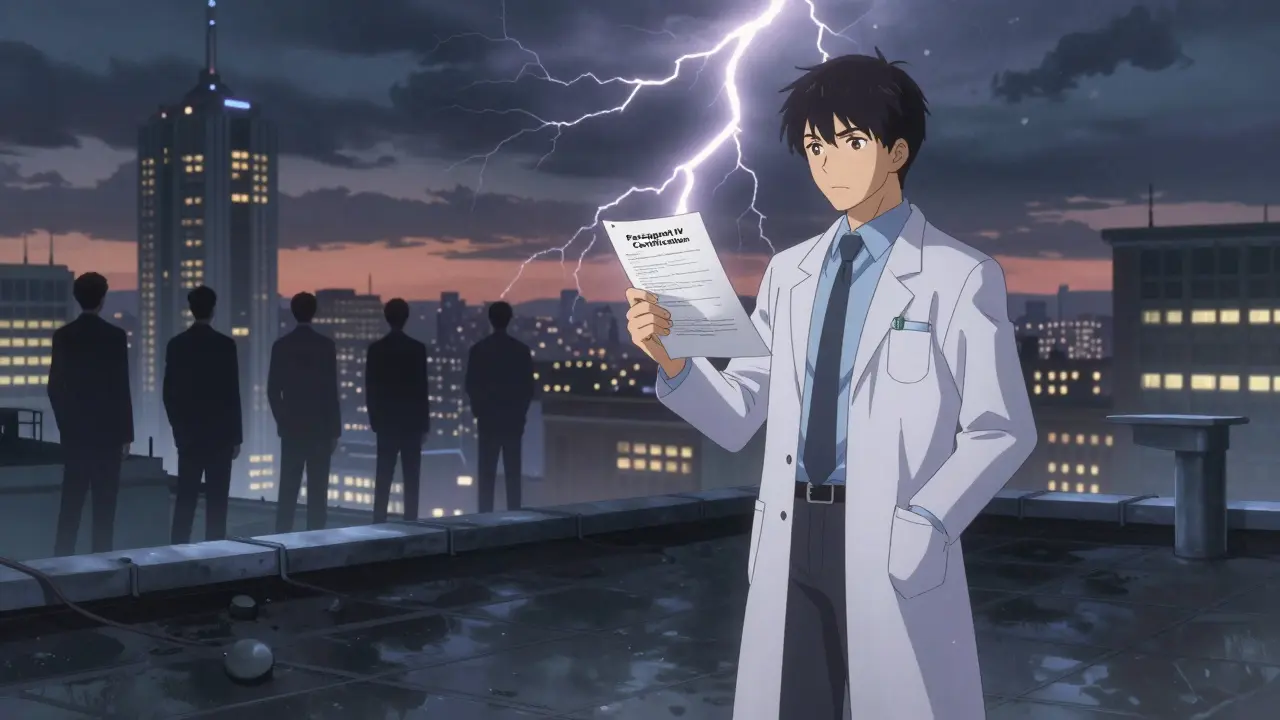
When a brand-name drug’s patent is about to expire, you’d expect generic versions to flood the market quickly-lowering prices and giving patients more choices. But that’s not always what happens. Thanks to a rule called 180-day exclusivity, one generic company can block others from entering the market for six months-even if the patent was weak or should’ve been invalidated years ago. This isn’t a reward for innovation. It’s a legal loophole that turns patent lawsuits into a high-stakes race, with real consequences for drug prices and patient access.
How the 180-Day Exclusivity Rule Works
The 180-day exclusivity rule was created by the Hatch-Waxman Act of 1984. At its core, it’s designed to encourage generic drugmakers to challenge weak or questionable patents. If a generic company files an Abbreviated New Drug Application (ANDA) and certifies that a brand-name drug’s patent is invalid or won’t be infringed (called a Paragraph IV certification), and then wins the legal battle, they get 180 days of exclusive rights to sell the generic version. That means no other generic company can get FDA approval for the same drug during that time-even if they submitted their application the next day. The first one to file and win gets the whole prize. It’s a winner-takes-all system. And because the cost of patent litigation can run into tens of millions of dollars, only a few companies are willing to take the risk. The clock doesn’t start when the FDA approves the drug. It starts on the earlier of two dates: the day the first generic company begins selling the drug, or the day a court rules the patent is invalid or not infringed. That’s where things get messy. If the first company delays selling the drug while litigation drags on for years, they can hold off competitors for much longer than 180 days.Why the Rule Often Fails Its Purpose
The whole point of this rule is to speed up generic entry. But in practice, it often does the opposite. There are documented cases where the first applicant files a Paragraph IV challenge, then sits on the approval for years while patent lawsuits wind through the courts. Meanwhile, other generic companies are stuck waiting. The FDA can’t approve them. Patients keep paying high prices. And the first company? They’re not even selling the drug yet. In 2018, the FDA issued a clarification about buprenorphine/naloxone sublingual film. It confirmed that if a first applicant doesn’t start selling within 75 days of approval-or if they delay commercialization without good reason-they can lose their exclusivity. But that’s not the norm. Most of the time, companies find ways to stretch out the clock. A 2022 FDA proposal tried to fix this. It suggested that exclusivity should last exactly 180 days from the day the first generic product hits the market-not from the day the lawsuit started. Right now, a company could file a challenge in 2020, win in 2023, and then delay selling until 2025. The exclusivity period would still start in 2023, meaning competitors can’t enter until 2024. But under the proposed rule, if they don’t start selling until 2025, exclusivity wouldn’t kick in until then, and it would last only 180 days from that point. That would stop companies from hoarding exclusivity as a bargaining chip.Who Benefits? Who Gets Left Behind?
The biggest winners are the first generic filer and sometimes the brand-name company. Why? Because sometimes the first generic company and the brand-name maker strike a deal. The brand company pays the generic maker to delay launch. These are called “pay-for-delay” settlements. They’re legal under current rules, even though they keep prices high and block competition. The losers? Everyone else. Smaller generic manufacturers who can’t afford the legal battle. Pharmacies that want lower-cost options. Patients who need the drug but can’t afford the brand version. And taxpayers who foot the bill through Medicaid and Medicare. A 2021 study estimated that pay-for-delay deals cost the U.S. healthcare system over $3.5 billion a year. That’s money that could’ve gone into more affordable generics. The 180-day exclusivity rule, meant to promote competition, ends up being used to suppress it.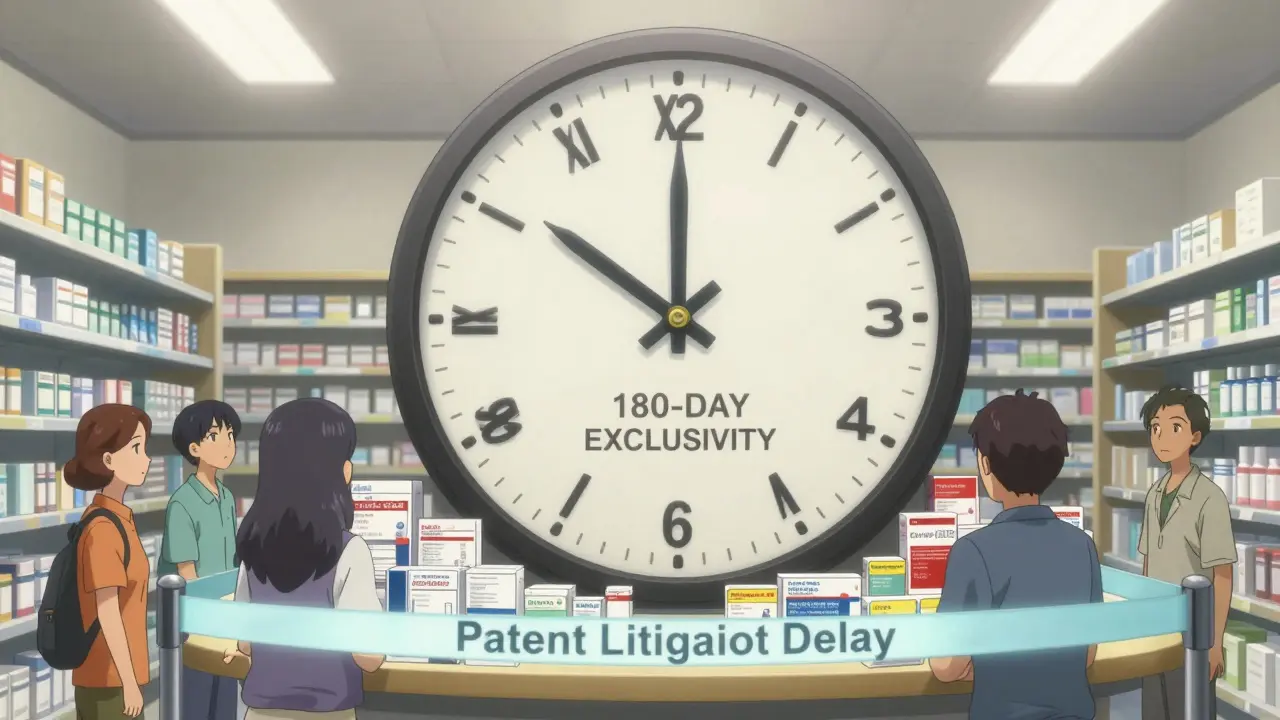
Forfeiture Rules and the Hidden Traps
The 2003 Medicare Modernization Act added forfeiture rules to prevent abuse. If the first applicant doesn’t meet certain deadlines-like getting the drug to market within 75 days of FDA approval or within 30 days after a court decision-they lose their exclusivity. But the rules are complicated. The FDA has had to issue multiple clarifications just to define what counts as “commercial marketing.” For example, if a company ships a single batch of the drug to a distributor but doesn’t start selling it to pharmacies, does that count? What if they’re waiting for state-level formulary approval? These gray areas are why companies hire teams of patent lawyers and regulatory experts just to navigate the system. One real-world case involved a drug used to treat opioid addiction. The first generic applicant submitted their ANDA, won the patent challenge, but waited over two years to launch. The FDA eventually ruled they forfeited exclusivity because they didn’t demonstrate a good-faith effort to market the drug. But that ruling came after dozens of other companies had already invested time and money waiting.How This Compares to Other Exclusivity Rules
The 180-day exclusivity is unique. Other types of exclusivity-like the 5-year period for new chemical entities or the 3-year period for new clinical data-block generic applications entirely until the period ends. But 180-day exclusivity doesn’t block applications. It blocks approvals. Other companies can submit their ANDAs. They just can’t get approved until the first applicant’s exclusivity runs out. It’s also different from the biosimilar pathway under the BPCIA. Biosimilars don’t get a 180-day exclusivity. Instead, the first interchangeable biosimilar gets 12 months of exclusivity. And unlike the Hatch-Waxman system, multiple biosimilars can be approved at the same time. There’s no “first filer wins” rule. This contrast shows how outdated the 180-day exclusivity model is. In industries where competition drives innovation, we don’t give one company a monopoly just because they filed first. We encourage multiple players. But in generic drugs, the system still treats patent challenges like a race with only one prize.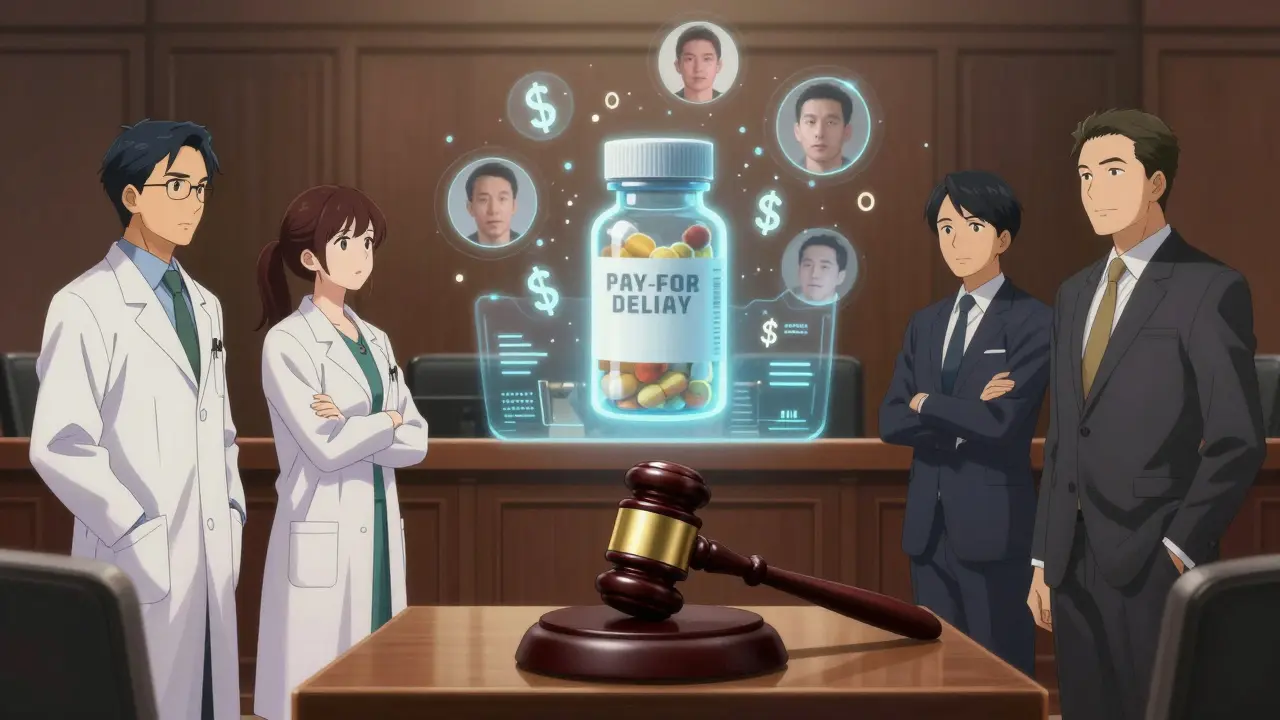


so like the system is designed to help generics but instead it just lets one company sit on the approval for years and laugh while everyone else waits lmao
i think what really gets me is how this isnt even about innovation anymore its about who can game the system the longest the whole point of hatch-waxman was to get cheap meds to people fast but now its turned into this elaborate legal chess game where the only thing that matters is who files first and then just doesnt do anything with it for years the real tragedy is that patients are the ones paying for it literally and figuratively
this is why we need to scrap the 180-day rule entirely 🤷♂️ if you challenge a patent you should get approved immediately and everyone else should be able to follow right after no monopolies no delays no bs the system is broken and we all know it
i just wish people understood how much this affects real lives like my mom has to take this med for her heart and she cant afford the brand even with insurance and when the generic finally came out it was still 3x more than it shouldve been because the first company waited over a year to launch and by then theyd already jacked up the price on the brand lol i mean how is this legal seriously
this is corruption dressed up as law.
the fda should have clearer guidelines and enforce them without exception there is no justification for allowing companies to delay market entry under the guise of litigation the system is failing patients and regulators are complicit
so lets get this straight you file a patent challenge wait 3 years for a court to rule then sit on the approval for another 2 years just to make sure no one else can get in and you call this innovation? nah bro this is just a fancy way of saying youre holding the market hostage and the FDA is basically giving you a gold star for it 🤡 the 2022 proposal is the bare minimum and even that feels like a concession to the lobbyists
hey everyone just wanted to say this is such a great deep dive and honestly its so frustrating but also so important to talk about if we can get more people aware of this maybe we can push for real change the 2022 proposal is a step in the right direction and we should all be calling our reps to push it through the system isnt perfect but we can make it better if we keep pushing