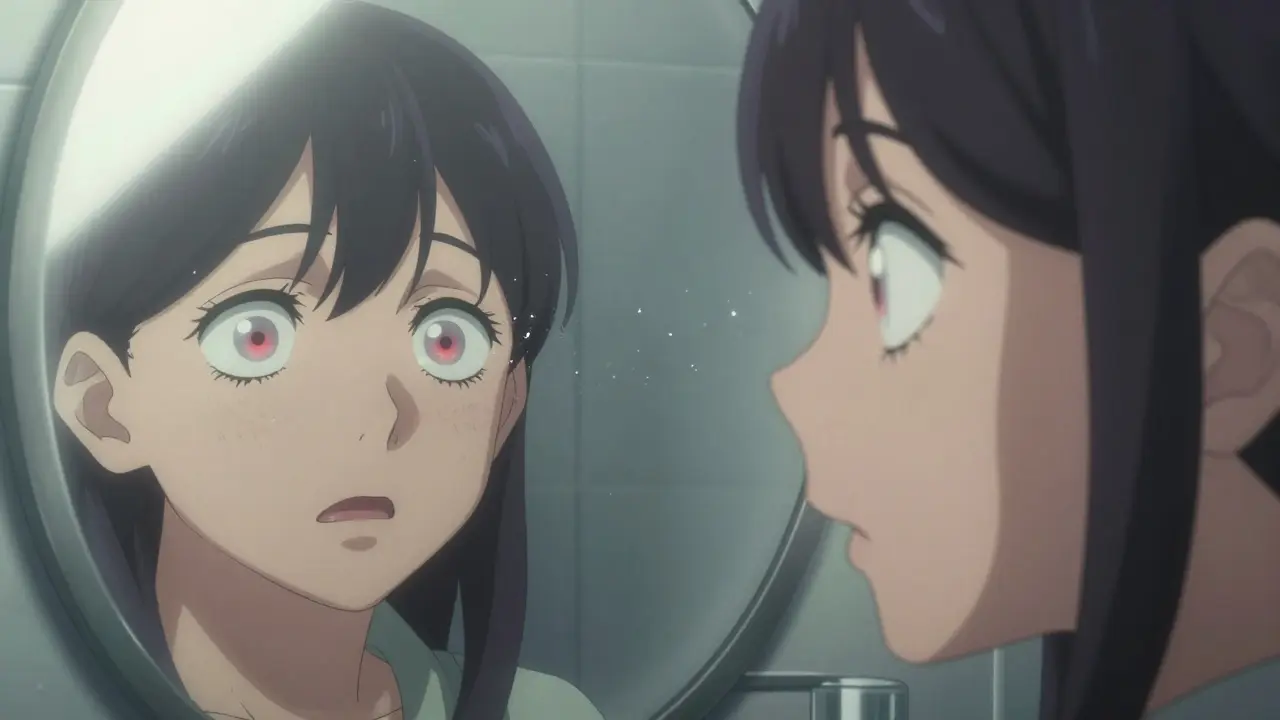
Imagine waking up to find your eyes feel like they have sand in them, and when you look in the mirror, they seem to be pushing forward. For many, this isn't just a bad reaction to allergies-it's Thyroid Eye Disease is an autoimmune condition where the immune system attacks the tissues, muscles, and fat behind the eyes, causing inflammation and swelling. Also known as Graves' ophthalmopathy or thyroid-associated orbitopathy, it most often hits people who already have Graves' disease, though it can happen even if your thyroid levels seem normal.
Dealing with this condition is a rollercoaster. You might start with a bit of redness and move into a phase where your vision is actually at risk. The good news? We've moved far beyond just "waiting it out." From high-dose steroids to cutting-edge biologics, the goal now is to stop the inflammation early so you don't end up needing invasive surgery later. Here is what you need to know about the symptoms, the common treatments, and the new science changing how this is managed.
Recognizing the Red Flags: More Than Just Dry Eyes
Thyroid Eye Disease doesn't always hit everyone the same way. For some, it's a subtle annoyance; for others, it's a vision-threatening crisis. About 89% of people experience these symptoms in both eyes, but a small group only deals with one. The most common sign is that "gritty" feeling-like there's something stuck in your eye-which is reported by nearly 80% of patients.
As the inflammation grows, you might notice things like:
- Proptosis: This is the medical term for bulging. The fat and muscles behind the eye swell, pushing the eyeball forward.
- Diplopia: Double vision happens when the eye muscles thicken and stiffen, making it impossible for both eyes to track together.
- Light Sensitivity: A sudden intolerance to bright light or excessive tearing.
- Eyelid Changes: Puffy, red lids or a feeling of pressure behind the sockets.
Doctors use something called the Clinical Activity Score (CAS) to determine if the disease is "active." If your score is 3 or higher, it means the inflammation is currently peaking, and that's usually when aggressive treatment is needed to prevent permanent scarring.
Why Does This Happen? The Science of the Swell
To understand the treatment, you have to understand the trigger. Your body produces TSH receptor antibodies (TRAb). In a healthy person, these don't cause trouble. But in TED, these antibodies bind to fibroblasts-cells in the orbit of your eye. This triggers a cascade of inflammation and the production of excess fat (adipogenesis).
Certain things make this much more likely to happen. If you smoke, your risk of developing TED jumps by nearly 8 times. Women are also four to six times more likely to experience it than men, usually between the ages of 40 and 60. Interestingly, if you've had radioactive iodine treatment for your thyroid without taking corticosteroids at the same time, you might be 2 to 4 times more likely to develop eye issues.

The First Line of Defense: Corticosteroids
When the disease is in its active, inflammatory stage, Corticosteroids are the traditional go-to. They act like a fire extinguisher, quickly dampening the immune response to reduce swelling and pain.
There are two main ways these are given. For mild cases, oral Prednisone is common. However, oral steroids are a bit of a double-edged sword. While they work, they often lead to weight gain (averaging 8kg or more), high blood sugar, and a higher risk of osteoporosis. Plus, about 30% of people see their symptoms return once the dose is tapered off.
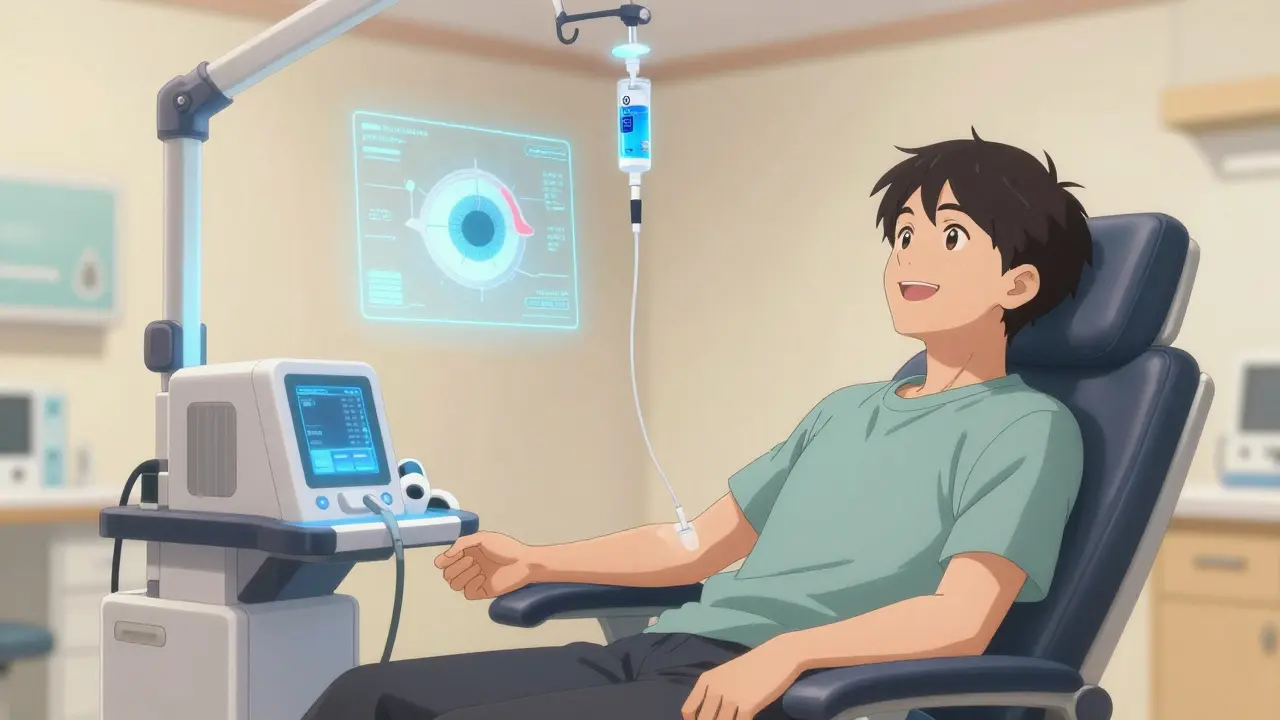
For moderate-to-severe cases, doctors prefer intravenous (IV) pulse methylprednisolone. This is usually delivered in a 12-week cycle (high doses for 6 weeks, then lower doses for 6 weeks). IV steroids are generally more effective and have a 60-70% response rate, but they still carry risks, including potential liver toxicity if the total dose exceeds 5 grams.
The Game Changer: Biologics and Teprotumumab
For a long time, if steroids didn't work, patients were left with very few options until the arrival of Teprotumumab (marketed as Tepezza). This is a monoclonal antibody that targets the IGF-1 receptor. Unlike steroids, which just suppress the whole immune system, this biologic specifically blocks the pathway that tells the eye tissues to swell.
The results from clinical trials like the OPTIC study were striking. About 71% of patients saw their eye bulging reduce by 2mm or more, compared to only 20% in the placebo group. It's the first drug that actually addresses the underlying cause of the bulging rather than just the inflammation.
However, this "miracle drug" comes with caveats. First, the cost is astronomical-often reaching hundreds of thousands of dollars for a full course. Second, there are specific side effects to watch for, including hearing changes, muscle spasms, and hyperglycemia. Because of this, the FDA has issued warnings regarding its use.
| Treatment | Primary Goal | Effectiveness | Main Downside |
|---|---|---|---|
| Oral Prednisone | Reduce mild inflammation | Moderate | Weight gain, relapse |
| IV Methylprednisolone | Aggressive inflammation control | High (60-70%) | Liver toxicity risk |
| Teprotumumab | Reduce proptosis (bulging) | Very High (71%) | High cost, hearing issues |
| Satralizumab | Steroid-refractory cases | Moderate (54%) | Newer, less long-term data |
What Happens When Medication Isn't Enough?
Medical therapy is great for the active phase, but once the disease becomes "inactive," the tissue turns into scar tissue (fibrosis). At this point, steroids and biologics won't do much because the damage is structural. This is where orbital surgery comes in.
There are three main surgical paths:
- Orbital Decompression: The surgeon removes a small amount of bone or fat from the eye socket to create more room for the eye to sit back. This typically reduces bulging by 2-5mm.
- Strabismus Surgery: This fixes the double vision by adjusting the position of the eye muscles. It is usually done after the inflammatory phase has completely ended.
- Eyelid Surgery: For those whose lids can no longer close fully, a procedure can help protect the cornea from drying out and scarring.
It's a bit of a waiting game. You generally can't do these surgeries while the disease is active, or the inflammation will just ruin the results. This is why early intervention with medications is so critical-it can reduce the amount of surgery you need later.
Managing Daily Life and Next Steps
While you're waiting for medications to kick in or moving between phases, daily management is all about comfort and protection. If you have dry eyes, preservative-free sodium hyaluronate drops are a lifesaver. About 85% of patients find these help significantly within a month.
You might also hear about selenium supplements. While some studies show a modest improvement in quality of life, the evidence is much weaker than for steroids or biologics. It's a low-risk option, but don't rely on it as your primary treatment for moderate-to-severe disease.
The most important thing is to have a team. You shouldn't just see an endocrinologist. You need an ophthalmologist who specializes in the orbit (an oculoplastic surgeon) to monitor your optic nerve and corneal health. If you notice sudden vision loss or a "blind spot" in your sight, that's a medical emergency-it could be optic nerve compression, which requires immediate high-dose steroids to save your vision.
Can Thyroid Eye Disease be cured?
While there isn't a "cure" that removes the autoimmune tendency, the disease typically runs a course. It usually stays active for 6 to 24 months and then enters an inactive phase. Treatments like teprotumumab and steroids can stop the progression and reduce the severity of symptoms, and surgery can fix the permanent structural changes.
Is Tepezza better than steroids?
It depends on the goal. Steroids are excellent for quickly reducing overall inflammation and pain. However, Tepezza (teprotumumab) is far more effective at actually reducing the bulging of the eyes (proptosis) and improving double vision. The trade-off is the significantly higher cost and different side-effect profile, such as potential hearing loss.
Does smoking really affect the eyes?
Yes, dramatically. Smoking is one of the biggest risk factors for TED. Research shows that smokers are up to 7.7 times more likely to develop the condition, and those who do smoke often have more severe symptoms and respond more poorly to treatment.
What is the difference between the active and inactive phase?
The active phase is characterized by inflammation, redness, and swelling. This is when the immune system is attacking the tissues. The inactive phase is when the inflammation stops, but the tissues have become scarred or fibrotic. Medication works during the active phase; surgery is typically reserved for the inactive phase.
How do I know if my vision is in danger?
Danger signs include a sudden loss of vision, seeing "halos" around lights, or the inability to move your eye in certain directions. This can indicate that the swelling is pressing on the optic nerve (dysthyroid optic neuropathy), which requires urgent medical intervention to prevent permanent blindness.