
Pharmacist Advice: Trusted Guidance on Medications, Interactions, and Safe Use
When it comes to your medications, pharmacist advice, professional guidance from licensed pharmacists on how to take drugs safely, avoid harmful interactions, and manage side effects. Also known as medication counseling, it’s the difference between taking a pill and truly understanding what it does to your body. Most people think pharmacists just hand out pills, but they’re the hidden experts who catch dangerous combinations, spot fake meds, and know why your statin stops working when you eat grapefruit. This isn’t theory—it’s daily life-saving work.
Real medication interactions, when two or more drugs affect each other’s absorption, metabolism, or effect in the body. Also known as drug-drug interactions, they’re behind half of all preventable hospital visits in older adults. Think about how CYP450 enzymes, liver proteins that break down 90% of medications, creating competition between drugs that can cause toxicity or failure clash with your blood thinner or antidepressant. Or how drug contaminants, toxic substances like fentanyl or antifreeze hidden in counterfeit pills turn a simple painkiller into a death trap. These aren’t edge cases—they’re common enough that pharmacists screen for them every shift.
You won’t find this kind of detail in a drug label. But you’ll find it in the posts below. We’ve gathered real stories from people who nearly overdosed on nasal sprays, developed glaucoma from steroid drops, or got sick from mixing heart meds. You’ll learn how to spot a fake pill, why your antidepressant makes you feel numb, and how to store your pills so they don’t turn into dust. No fluff. No marketing. Just what your pharmacist would tell you if you had 20 minutes to ask every question you’ve been too scared to bring up.
Whether you’re on opioids, biologics, GLP-1s, or just trying not to mess up your daily pills, the advice here comes from the front lines of pharmacy practice. These aren’t guesses—they’re based on FDA alerts, clinical studies, and years of hands-on experience. What you read next could keep you out of the ER—or even save your life.
Nov
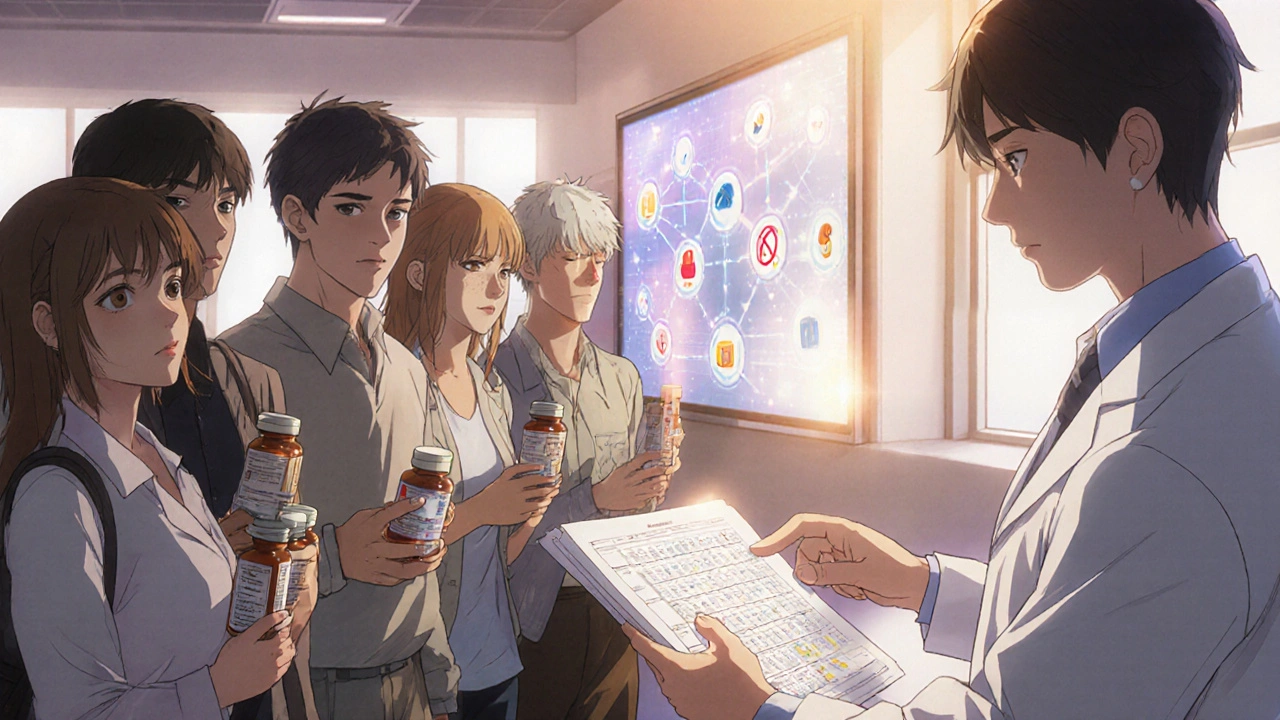
How to Use Your Pharmacy’s Consultation Service for Medication Safety
Learn how to use your pharmacy's free consultation service to catch dangerous drug interactions, reduce side effects, and save money on medications. Pharmacists are your best ally for medication safety.